The 90-Day Plan Was Perfect. The CEO Couldn't Execute It.
%201.avif)

The plan was good. That is what makes it worth writing about.
Twenty-two pages. Sequenced correctly. Pricing work in the first ninety days because it was the fastest margin lever, a sales comp redesign starting in month two, a systems decision deferred to month seven so it would not compete for attention. Two of the four workstreams had named owners from the sponsor's operating team.
The deal partner walked the founder through it eleven days after close. It took ninety minutes. The founder asked four questions, all of them reasonable, and said the plan made sense.
He then spent the next seven months quietly not executing it.
Not refusing. Nothing so clean. Meetings moved. Data requests took eleven days instead of three. The pricing analysis came back with a caveat that required another analysis. His head of sales, who was supposed to be co-owning the comp redesign, mentioned to an operating partner that he had been told to "hold off pending clarity."
At month eight the sponsor started building a CEO succession list.
What the founder was experiencing
He had built the company over fifteen years. He had taken a personal guarantee on a credit facility in 2011 that he did not tell his wife about for four months. He knew which of his 340 employees had been through a divorce and which ones had a kid in the hospital.
Eleven days after close, four people he had known for six months handed him a document describing what he had been doing wrong.
Every item in it was correct. That is not the point and it was never the point.
He did not experience it as support. He experienced it as a verdict, and the amygdala does not distinguish between a threat to your body and a threat to the thing you have organised your identity around for fifteen years. The physiological response is the same, and one of the reliable consequences of that response is a collapse in the willingness to be influenced.
He was not resisting the plan. He was defending himself from an experience of being audited, and the plan was the nearest available object.
Why the sponsor read it as competence
The deal team had a category for this and it was the wrong one.
Slow execution, defensiveness about data, protecting his people from a process. That profile maps onto founders who cannot operate at scale, which is a real thing and something every sponsor has seen.
So they ran the standard response, which is to increase oversight. More reporting, tighter cadence, an operating partner embedded on site two days a week.
Every one of those interventions increased the threat and therefore increased the behaviour they were designed to correct. By month nine he was withholding more, not less.
This is the value creation failure mode nobody underwrites. The plan is right, the diagnosis of the resistance is wrong, and the treatment for the misdiagnosis makes it worse.
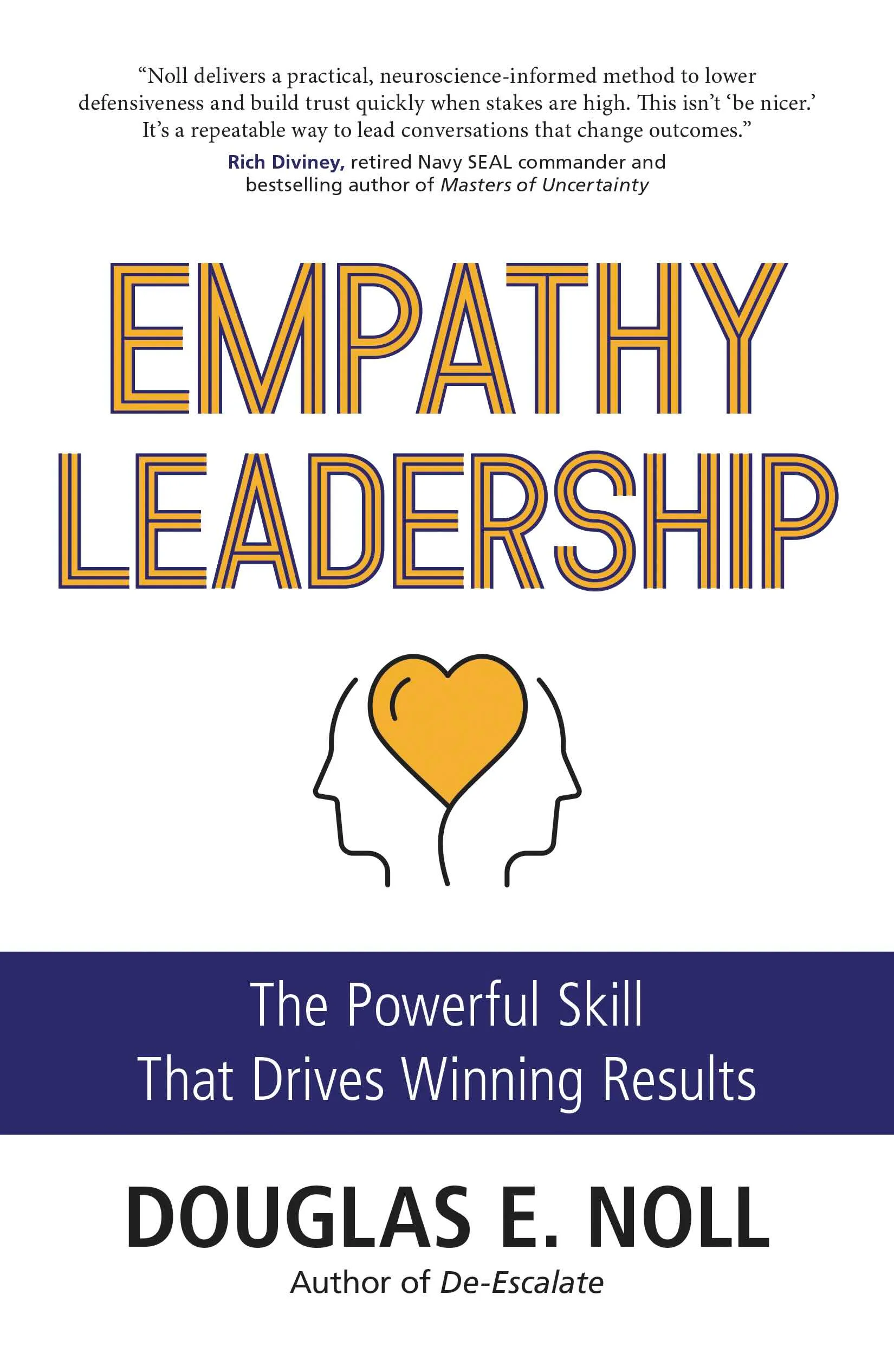
Doug Noll's new book Empathy Leadership: The Powerful Skill That Drives Winning Results covers what to do when a leader's nervous system is refusing a plan their judgment agrees with. Pre-order it on Amazon.
What the operating partner did in month ten
She had been brought in to run the replacement search.
Before starting it she asked for two hours with the founder, alone, off site, with no agenda and no deck. He almost declined.
She opened with one thing. She did not ask about the plan.
"You built this over fifteen years and eleven days after close we handed you a document telling you what you had got wrong. I would have refused it too."
He did not say anything for a while. Then he talked for fifty minutes.
Most of it was not about the plan. It was about a specific meeting in month two where he had been corrected on a customer relationship by a twenty-nine-year-old associate in front of his own CFO. He had said nothing at the time. He had been carrying it for eight months.
The pricing work started four weeks later and completed in six.
The sequence that should have happened at close
There is a version of this that costs one conversation instead of ten months.
Name the transition before you name the plan. Not "we are here to support you." Something that acknowledges what is actually happening: "You have run this alone for fifteen years and starting now you do not. That is a real loss and I am not going to pretend it is only an opportunity."
Ask what he is afraid you will change. The answer is almost never the strategy. It is usually two or three specific people, or a customer relationship, or a way of doing something that has meaning attached to it. Most of the time you can concede one of them cheaply, and conceding one buys enormous latitude on everything else.
Deliver the plan second, on a different day. Not because it is less important. Because a plan delivered into an unregulated state does not get evaluated, it gets survived.
The number
The pricing work delivered roughly $4.1 million of annualised EBITDA when it eventually ran.
It was delayed by ten months. At the multiple that business eventually exited at, the delay cost somewhere in the region of $30 million of enterprise value.
Nobody put it in a post-mortem, because there is no line for it.
For related reads, see Executive Function Beyond Reaction and Building Trust Under Pressure.
If you have a portfolio CEO who agrees with the plan and is not executing it, book a no-obligation Zoom call with Doug Noll.
Emotional Competence Shapes Your Influence as a Leader
This 90-second emotional competence quiz will tell you how your emotions affect the way you are treated at work and how to gain the respect and influence you deserve as a leader.
Take the Free Assessment
Doug’s Books
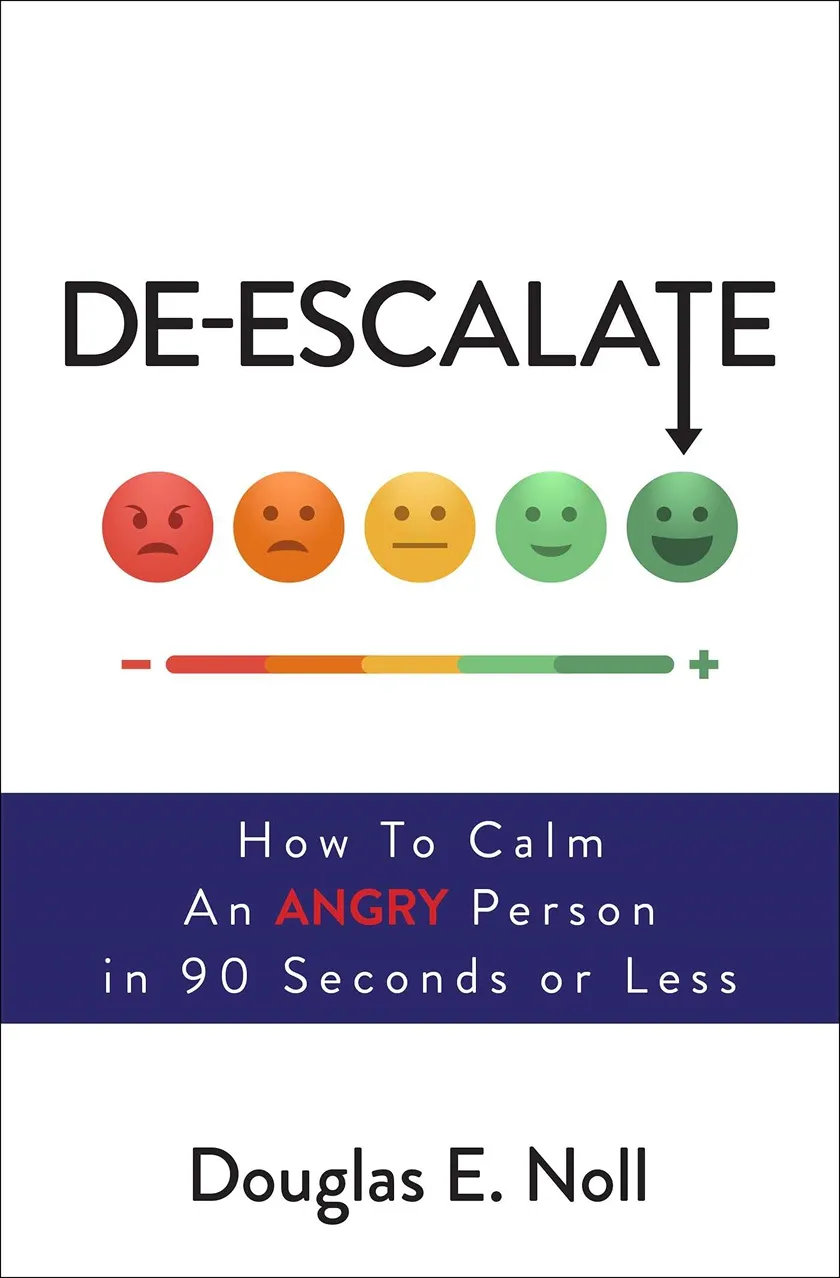
Doug has authored several books on affect labeling and emotional competency, including De-Escalate: How to Calm an Angry Person in 90 Seconds or Less, which won multiple awards and has been adopted by organizations worldwide.