What the Advisors Couldn't See About the Second Generation
%201.avif)

The advisors had two categories for her.
In the first three years she was "impressive." She asked good questions in meetings, she had done the reading, she pushed back on the investment consultant twice in ways that turned out to be correct.
By year five she had become "difficult." Not hostile. Difficult in the specific advisory sense: slow to commit, prone to reopening settled questions, occasionally unresponsive for weeks at a time on decisions the office needed closed.
Three separate professionals, in three separate firms, had privately used the word to her family's principal.
Nobody had the third category, which was the accurate one.
She was frightened.
What she was frightened of
Not losing money. The office had enough that no single decision was existential.
She was thirty-eight. Her father had built the operating business that funded everything. He had died four years earlier. She had been named as the family member with primary responsibility for the office, over a brother who wanted it and an uncle who expected it.
Every material decision she made was, in her own experience of it, a referendum on whether that appointment had been correct.
A bad outcome would not be a bad outcome. It would be evidence, retrospectively, that the wrong person had been chosen, and it would be evidence produced by her own hand, in front of a family that had not been unanimous about her in the first place.
That is not a risk tolerance issue. It is not a competence issue. It is a specific and entirely rational fear that governs behaviour in ways that look, from the outside, exactly like indecision.
Why professionals consistently misread this
Because the presenting behaviour maps cleanly onto a category advisors already have.
Slow to commit, reopens settled questions, goes quiet under pressure. Every advisor has seen that pattern in clients who are genuinely indecisive, and the trained response is to reduce optionality, simplify the presentation, and drive toward a close.
Applied to someone in her position, that response makes everything worse. Reducing her options increases the sense that the decision is a test with a right answer. Driving toward a close increases the pressure that produced the freeze.
The emotional intelligence failure here is not a failure of kindness. Everyone involved was perfectly pleasant to her. It is a failure of diagnosis.
The generational tax nobody prices
The second generation in a family business inherits assets and a comparison.
The comparison is permanent, one-directional, and unwinnable. The founder built something from nothing, which is a category of achievement that cannot be repeated by someone who starts with something. The best available outcome for the successor is preservation, which reads as adequacy, and any loss reads as squandering.
This produces a specific decision profile. Excessive caution on anything visible. Occasional and poorly-timed aggression on things that might constitute a legacy of their own. Long silences at the point of commitment.
Advisors see the profile. Almost none of them see what generates it, because the generation of it is never articulated by the person experiencing it. Saying "I am afraid of being the one who lost it" out loud is not available to most people in that seat.
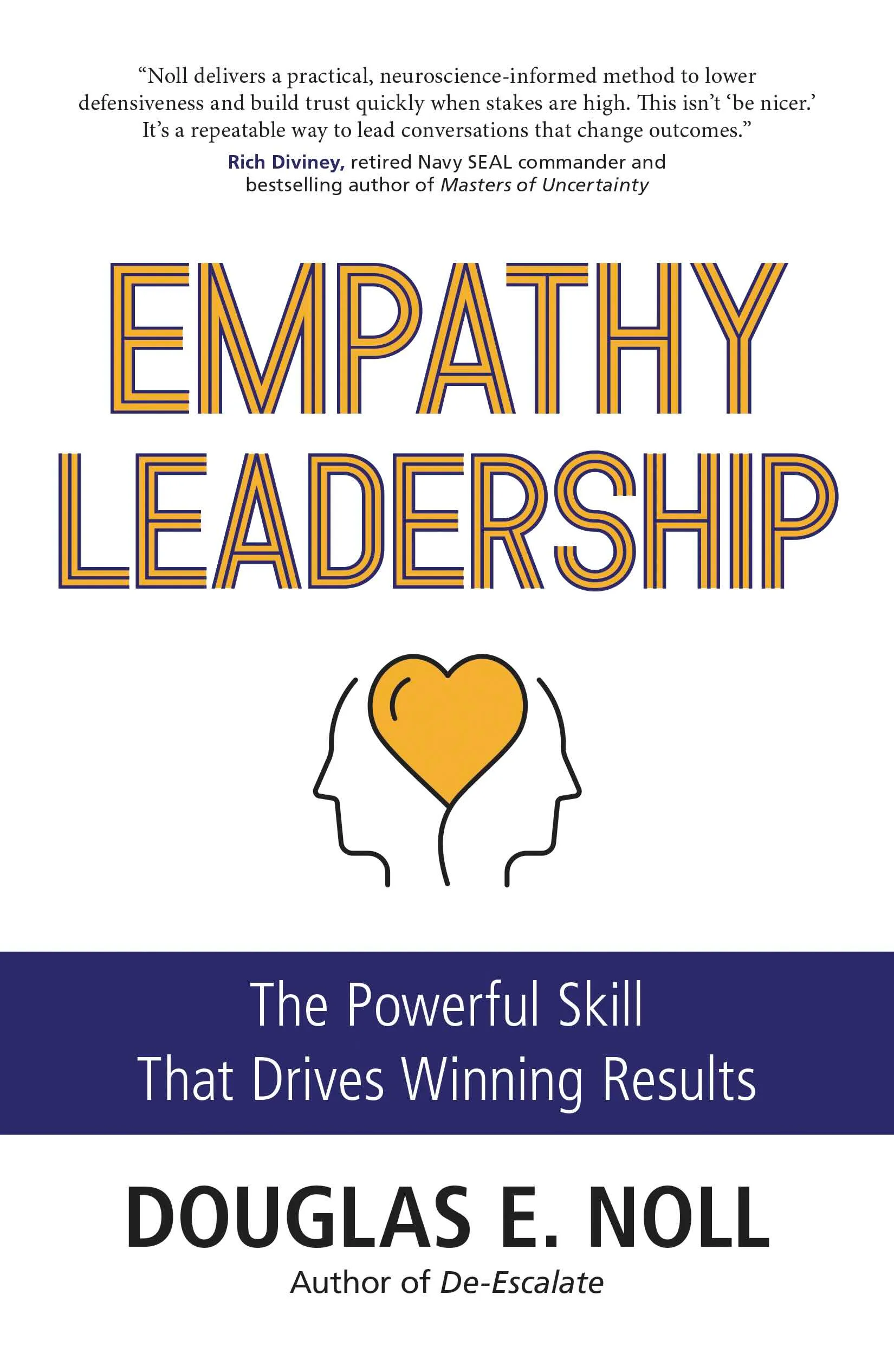
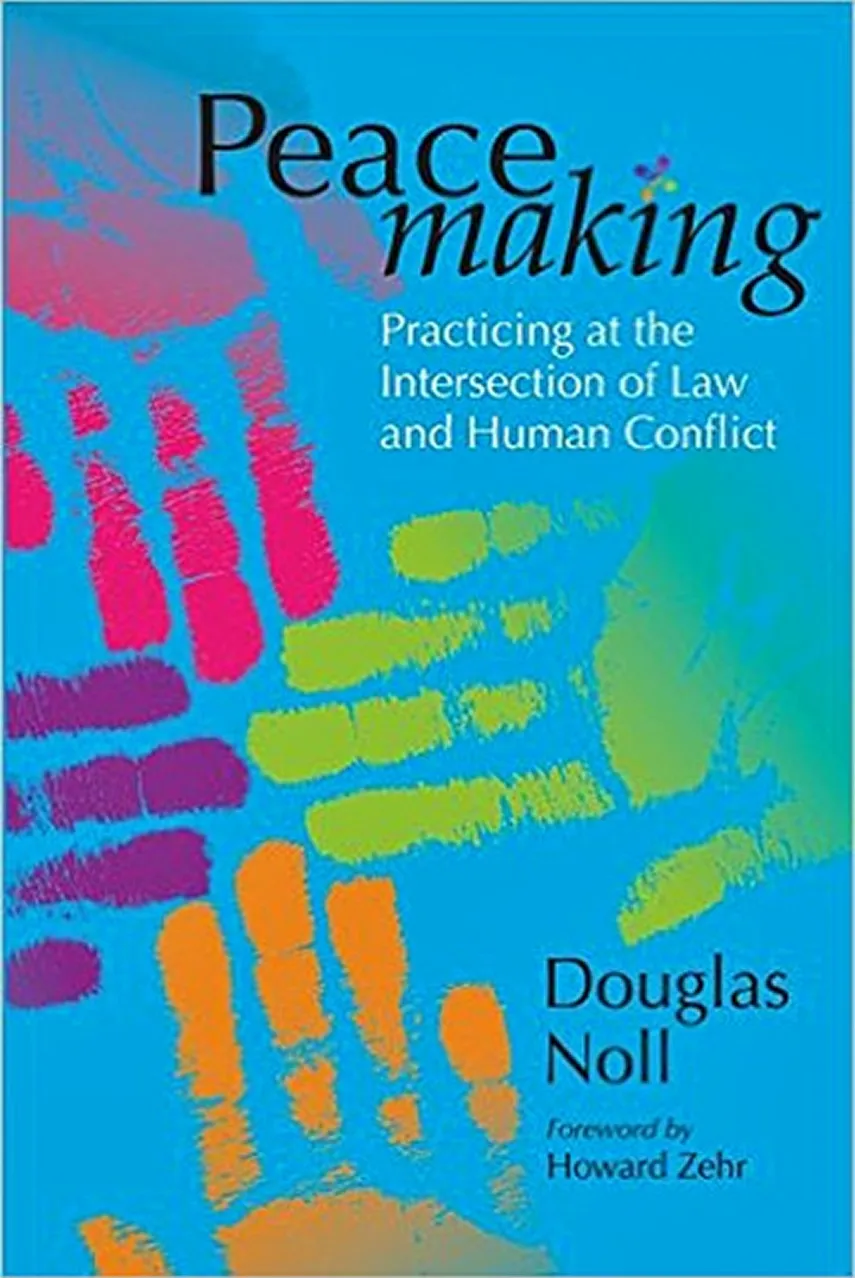
Doug Noll's new book Empathy Leadership: The Powerful Skill That Drives Winning Results covers how professionals read the state underneath the behaviour instead of managing the behaviour. Pre-order it on Amazon.
What the one advisor who got it did
He had held the relationship for eleven years, since her father's time.
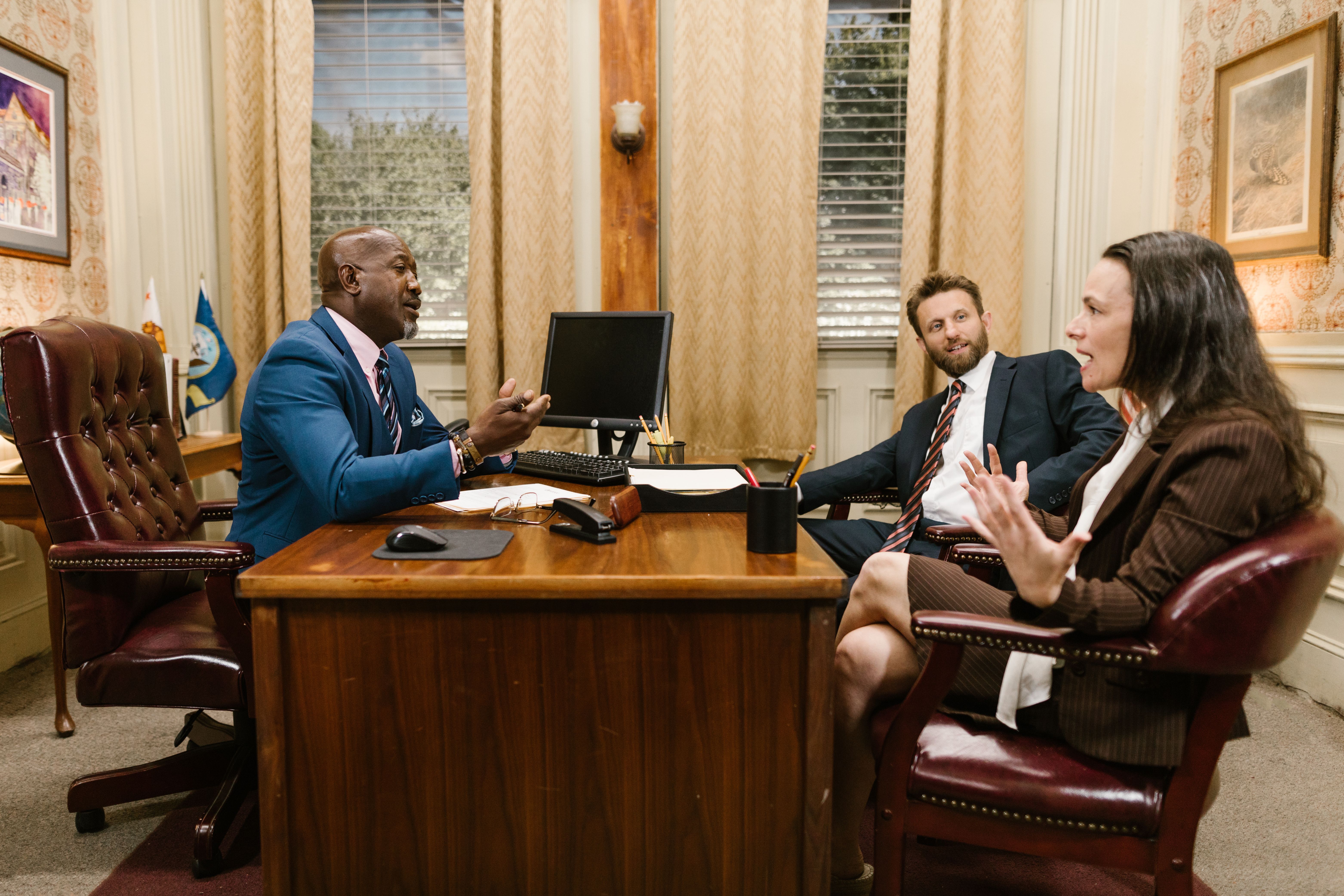
In a meeting where she had again deferred a decision that had been deferred twice, he asked everyone else to give them ten minutes.
Then he said one sentence. "I think you are worried that if this goes badly it proves they were wrong to pick you."
She did not say anything for a while. Then she said, "Yes."
That was the whole exchange. He did not reassure her. He did not tell her she was doing well. He did not offer a framework for decision-making under uncertainty.
He named it, accurately, and stopped.
The decision got made eight days later. More importantly, the pattern changed, because a thing that had been operating in the dark for four years had been said out loud by someone whose opinion she trusted, and things that have been said out loud lose a substantial amount of their operating power.
The question for anyone advising a successor
Before you conclude that your client is indecisive, ask what a bad outcome would mean about them.
Not what it would cost. What it would mean.
If the answer is "it would prove something about whether they should be in this seat," you are not looking at an indecisive client. You are looking at somebody making decisions under a load you have not accounted for, and every technique you would normally reach for will make it heavier.
For related reads, see Empathetic Listening Beyond Scripts and Emotional Masking.
If you advise a next-generation principal and cannot work out why decisions keep stalling, book a no-obligation Zoom call with Doug Noll.
Emotional Competence Shapes Your Influence as a Leader
This 90-second emotional competence quiz will tell you how your emotions affect the way you are treated at work and how to gain the respect and influence you deserve as a leader.
Take the Free Assessment
Doug’s Books
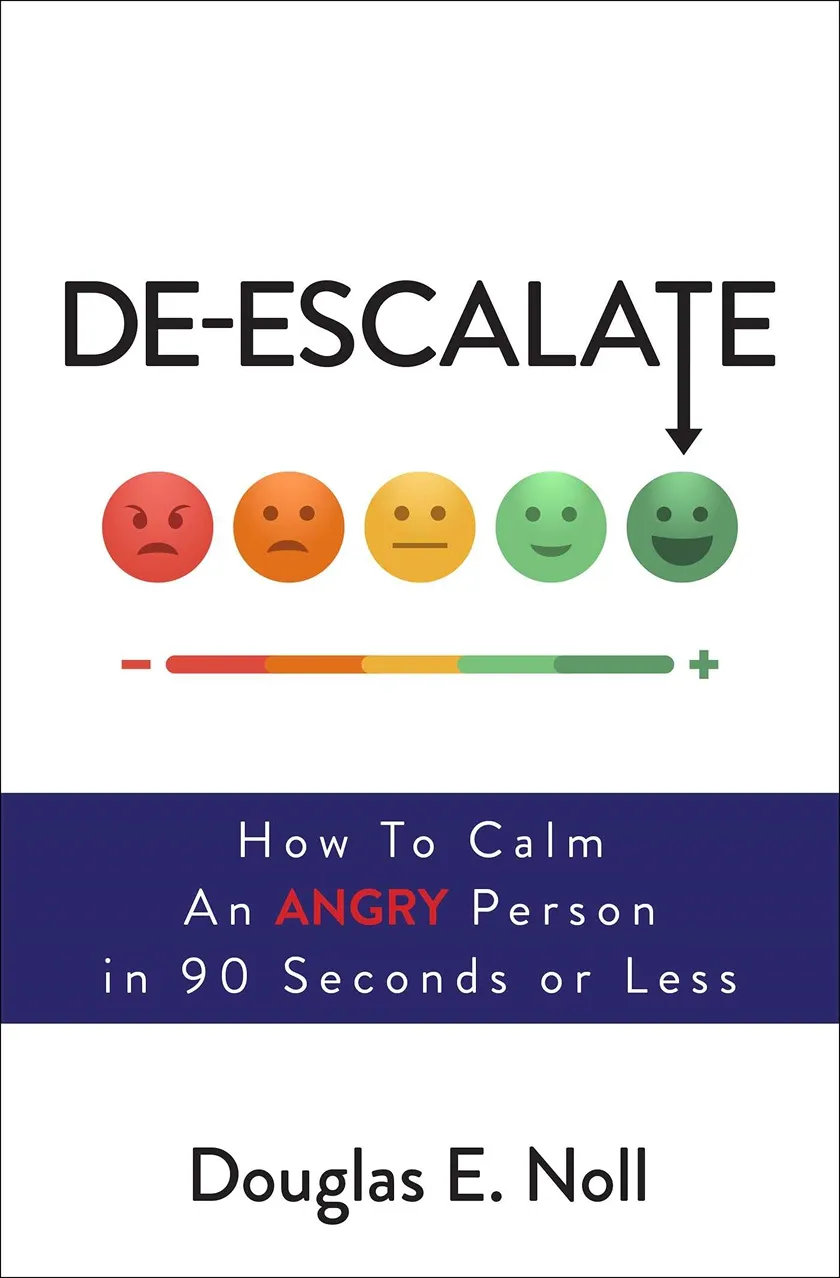
Doug has authored several books on affect labeling and emotional competency, including De-Escalate: How to Calm an Angry Person in 90 Seconds or Less, which won multiple awards and has been adopted by organizations worldwide.