Defining Anger Decode Your Team’s Passive Aggression
%201.avif)

Passive aggression costs more than open conflict.
Open conflict consumes 30 minutes and resolves.
Passive aggression consumes weeks.
If a $2 million project slips by 2 weeks because of silent resistance, and monthly value is $166,000, you just deferred $83,000.
If three team members disengage and productivity drops 15 percent across a $1.5 million payroll, that is $225,000.
Passive aggression is expensive.
It is anger misdiagnosed.
The diagnosis
You believe passive aggression is immaturity.
You label it unprofessional.
You respond with correction.
Correction increases threat.
Threat activates the amygdala.
Cortisol rises.
The prefrontal cortex, responsible for impulse control and strategic reasoning, loses clarity.
Anger does not disappear.
It mutates.
When anger cannot be expressed safely, it becomes delay, sarcasm, missed deadlines, quiet resistance, and procedural obstruction.
You do not have a performance issue.
You have unregulated anger.
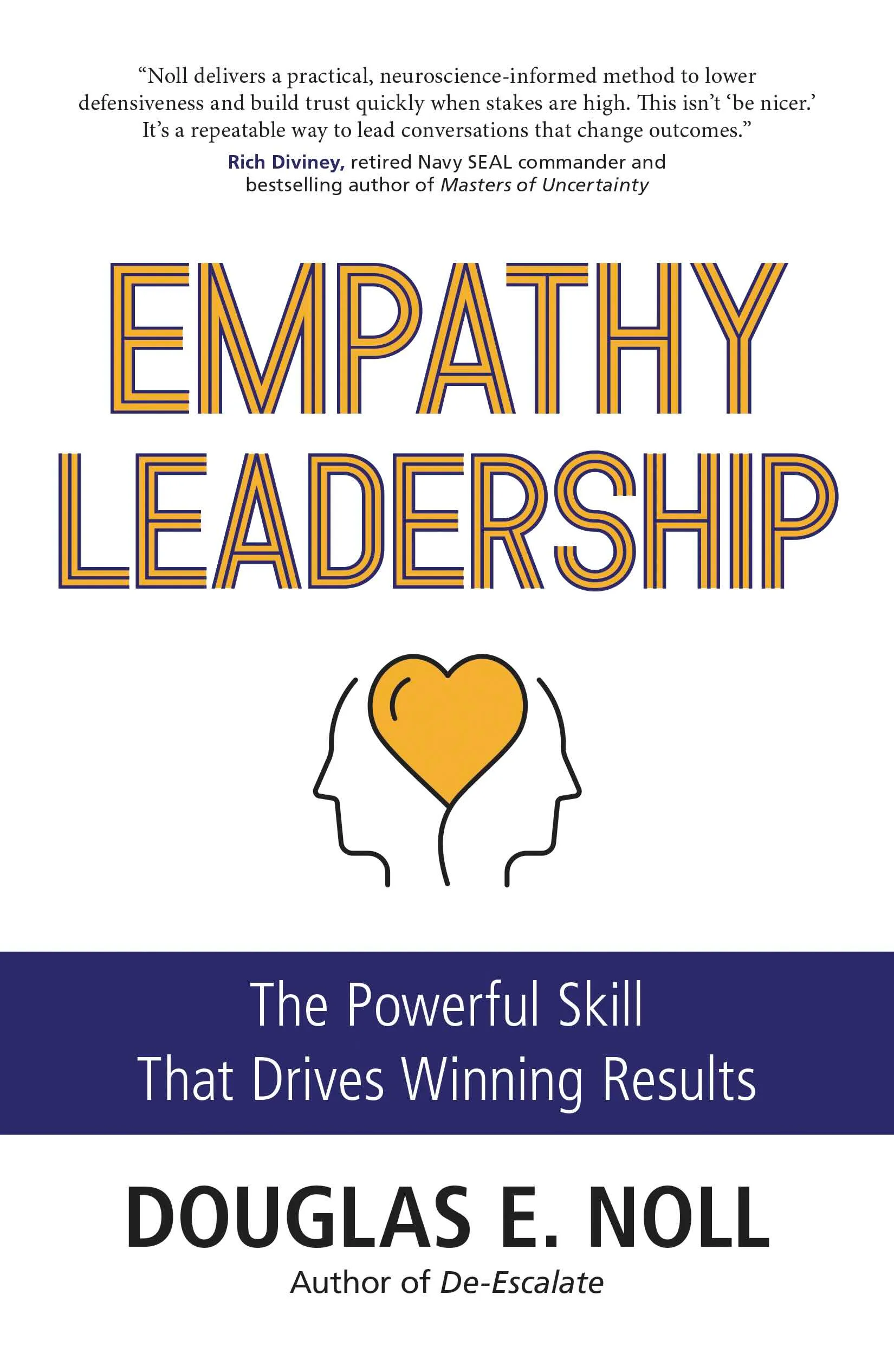
This is the neuroscience at the heart of Doug Noll's new book, Empathy Leadership: The Powerful Skill That Drives Winning Results.
The five forms of passive anger
Anger is not one emotion.
It is a category.
When you fail to decode it, you pay for it.
1. Resentment
Resentment comes from perceived unfairness.
Unacknowledged resentment lowers discretionary effort.
If a key contributor reduces effort by 20 percent, and their output value is $300,000 annually, you lose $60,000 quietly.
Say:
“You feel this has not been fair.”
Pause.
2. Disappointment
Disappointment is anger mixed with loss.
Loss of opportunity.
Loss of recognition.
Disappointed employees disengage rather than explode.
Say:
“You seem disappointed about how that landed.”
Pause.
3. Frustration
Frustration signals blocked goals.
Blocked goals increase tension.
If unresolved, frustration becomes obstruction.
Say:
“You are frustrated this is not moving.”
Pause.
4. Embarrassment
Public correction triggers status threat.
Embarrassment activates the amygdala strongly.
Embarrassed employees protect image by resisting privately.
Say:
“You felt exposed there.”
Pause.
5. Powerlessness
Powerlessness is anger without perceived agency.
When people feel unheard, they escalate indirectly.
They stall approvals.
They delay responses.
They comply minimally.
Say:
“You feel you do not have control here.”
Pause.
The neuroscience of passive aggression
The amygdala processes social threat instantly.
Status threat, unfairness, exclusion, and humiliation activate it.
Cortisol rises.
The prefrontal cortex loses regulatory strength.
In direct conflict, anger is expressed openly.
In high power distance environments, open anger feels dangerous.
The brain chooses safer expression.
Passive aggression is a threat response under constraint.
If you respond with logic, you increase threat.
If you decode the anger precisely, you reduce it.
Precise labeling decreases amygdala activation.
Lower activation restores reasoning.
Reasoning reduces sabotage.
The counterintuitive protocol
Do not confront behavior first.
Decode emotion.
When deadlines slip without explanation, do not accuse.
Say:
“You are frustrated with how this is being handled.”
Pause.
If sarcasm appears, say:
“You seem resentful.”
Pause.
If someone withdraws after feedback, say:
“You felt disappointed.”
Pause.
Short, declarative emotion labels.
Nothing more.
If accurate, you will see tension drop.
Tone shifts.
Body posture relaxes.
Now ask:
“What outcome are you trying to protect?”
Anger decoded becomes information.
Anger ignored becomes cost.
If decoding anger prevents just one delayed initiative worth $500,000 annually, the ROI of emotional granularity is obvious.
Passive aggression is not mystery.
It is misnamed anger.
Name it correctly.
The resistance dissolves.
Emotional Competence Shapes Your Influence as a Leader
This 90-second emotional competence quiz will tell you how your emotions affect the way you are treated at work and how to gain the respect and influence you deserve as a leader.
Take the Free Assessment
Doug’s Books
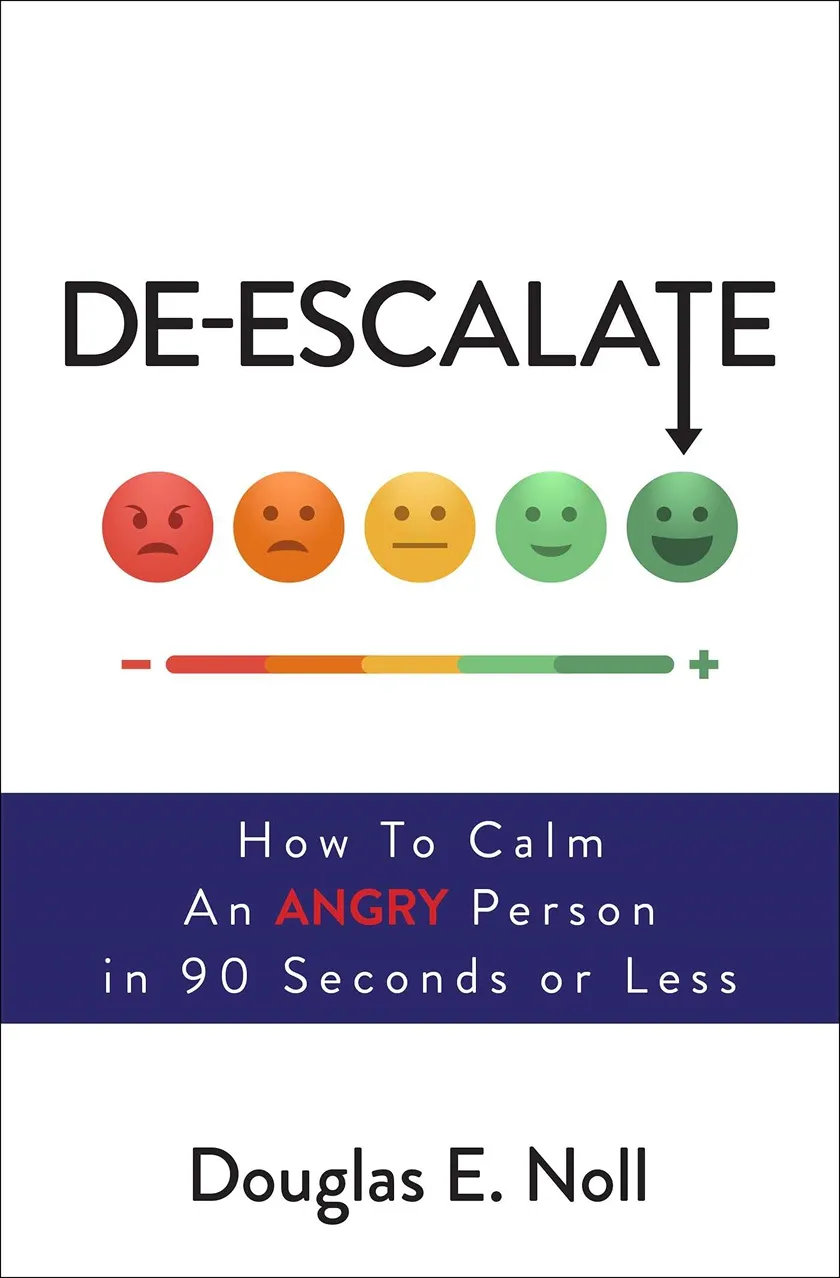
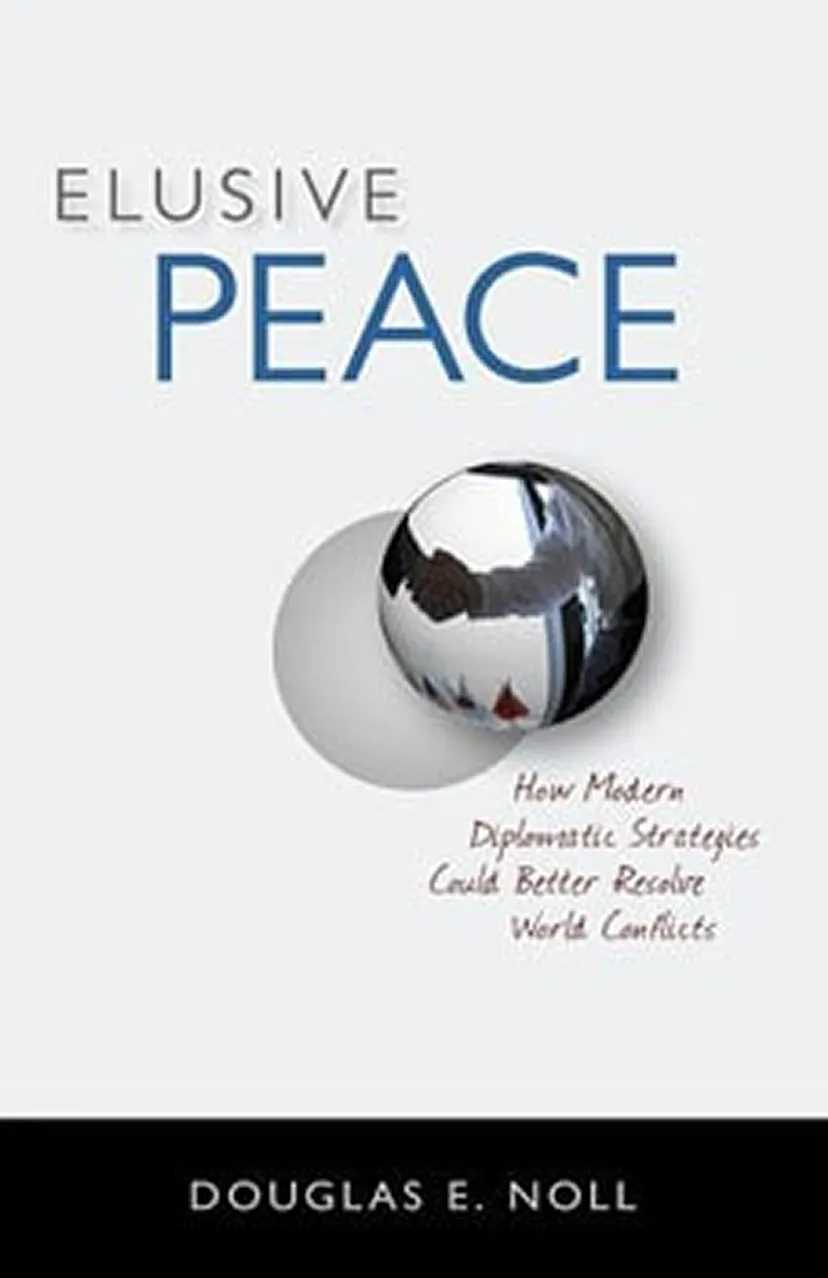
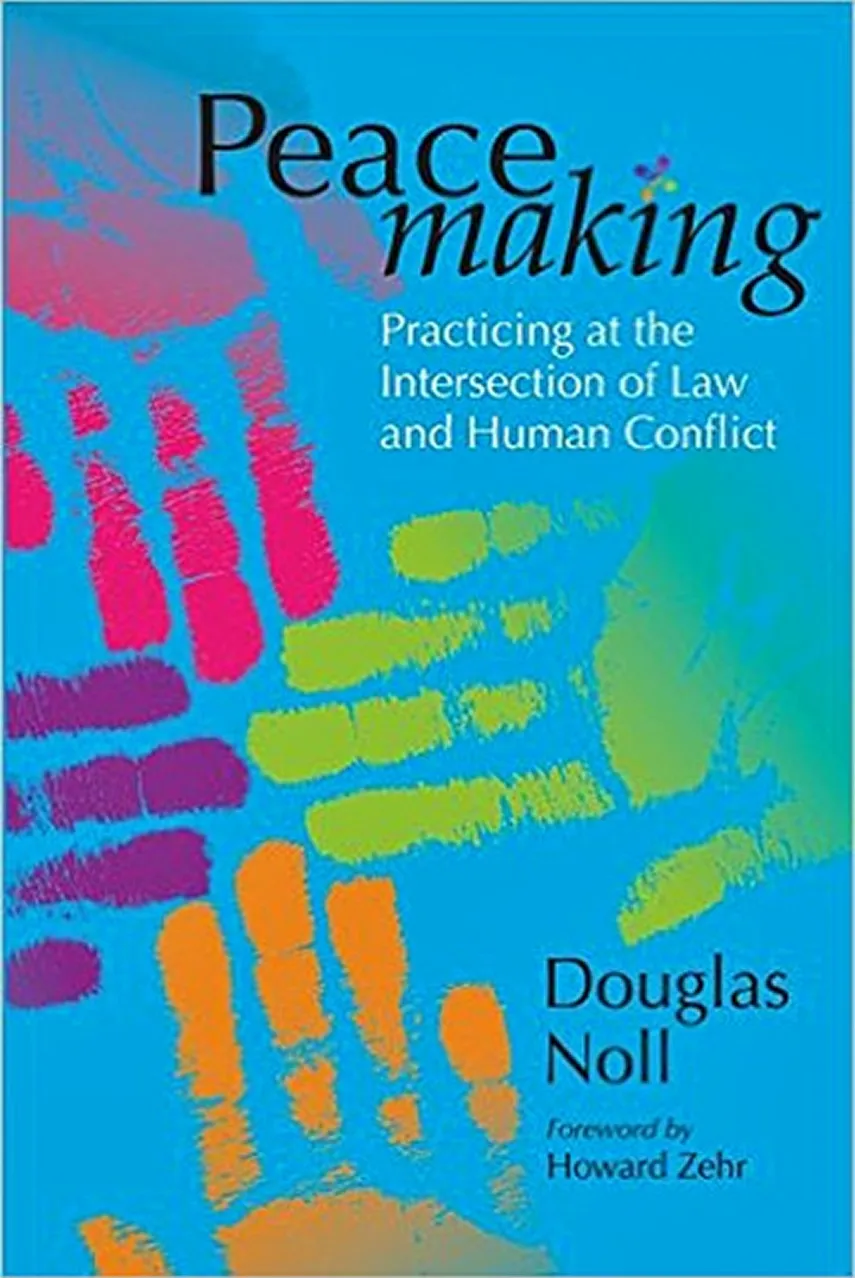
Doug has authored several books on affect labeling and emotional competency, including De-Escalate: How to Calm an Angry Person in 90 Seconds or Less, which won multiple awards and has been adopted by organizations worldwide.

More Blogs
View All

October 23, 2026
6 Powerful Reasons De-Escalation Training for Employees Doesn't Scale (and the Fix)
Read Blog

October 23, 2026
How Executive Dispute Mediation Actually Resolves a Board-Level Rupture
Read Blog

October 22, 2026
4 Critical Failures of Most Corporate Mediation (and the Approach That Works)
Read Blog