The $60K Fixing Tax: Why Executives Waste Time Correcting Teams
%201.avif)

If you earn $300,000 a year, your time is worth roughly $150 per hour.
If you spend 8 hours a week correcting, coaching, re-explaining, and “fixing” people, that is 416 hours a year.
416 hours multiplied by $150 equals $62,400.
That is your Fixing Tax.
It does not include the hidden cost of slower teams, reduced ownership, and learned dependency. It does not include the opportunity cost of strategic work you never touched.
You are not just wasting time.
You are training incompetence.
The diagnosis
You believe leadership requires correction.
You believe high standards require intervention.
You believe if you do not step in, quality drops.
So you rewrite emails. You adjust slide decks. You sit in meetings to “tighten thinking.” You correct tone. You explain again.
You think you are raising performance.
You are triggering threat.
The moment you move into fix mode, the other person’s amygdala activates. Cortisol rises. The prefrontal cortex, responsible for judgment and creativity, loses influence.
They do not improve.
They comply.
Compliance looks like productivity.
It is not ownership.
The four fixing traps
The Fixing Tax shows up in predictable executive behaviors.
1. The rewrite reflex
You take their draft and redo it yourself.
It feels faster.
It is faster today.
Tomorrow, they bring you another draft because you trained them that you are the final processor.
You just signed up for permanent review duty.
2. The meeting takeover
Someone struggles to explain an idea. You jump in and articulate it clearly.
The room feels relieved.
The presenter feels exposed.
Exposure activates threat. Threat reduces risk taking. Risk taking drives innovation.
You gain short term clarity and lose long term initiative.
3. The corrective monologue
You deliver a detailed explanation of what they did wrong and how to do it better.
You are logical.
They are flooded.
When cortisol rises, learning decreases. The brain in defense mode cannot integrate complex instruction.
They nod. They forget.
You repeat yourself next week.
4. The emotional minimizer
They express frustration or doubt. You respond with solutions.
They feel unheard.
Unheard people disengage. Disengagement reduces discretionary effort.
Even a 10 percent drop in discretionary effort across a team of 10 high performers earning $100,000 each represents a six figure productivity loss.
You are paying to fix what you are causing.
The science
The amygdala detects social threat within milliseconds. Being corrected, interrupted, or overridden activates it.
When it activates:
• Cortisol increases.
• Heart rate rises.
• Blood flow shifts away from the prefrontal cortex.
• Learning capacity decreases.
You cannot improve someone’s thinking while their brain is defending their identity.
Logic applied to an activated nervous system increases resistance.
Repeated resistance creates learned helplessness or quiet resentment.
Neither produces high performance.
The counterintuitive protocol
Stop fixing.
Start labeling emotion.
When a team member brings flawed work, do not correct immediately.
Say, “You are frustrated this did not land.”
Pause.
When someone struggles in a meeting, do not take over.
Say, “You seem nervous presenting this.”
Pause.
When performance drops, do not lecture.
Say, “You are overwhelmed.”
Pause.
One short declarative sentence.
No advice. No correction. No analysis.
When you accurately label emotion, the amygdala reduces activation. Cortisol declines. The prefrontal cortex reengages.
Once they are regulated, ask one question:
“What do you think needs to change?”
Now you are developing thinking instead of replacing it.
If you reclaim just 4 hours a week by ending habitual fixing, that is 208 hours a year.
At $150 per hour, that is $31,200 recovered.
More importantly, you stop producing dependency.
You are not paid to fix people.
You are paid to build capacity.
Stop spending $60,000 a year doing work your team should own.
Regulate the nervous system. Then let them think.
Emotional Competence Shapes Your Influence as a Leader
This 90-second emotional competence quiz will tell you how your emotions affect the way you are treated at work and how to gain the respect and influence you deserve as a leader.
Take the Free Assessment
Doug’s Books
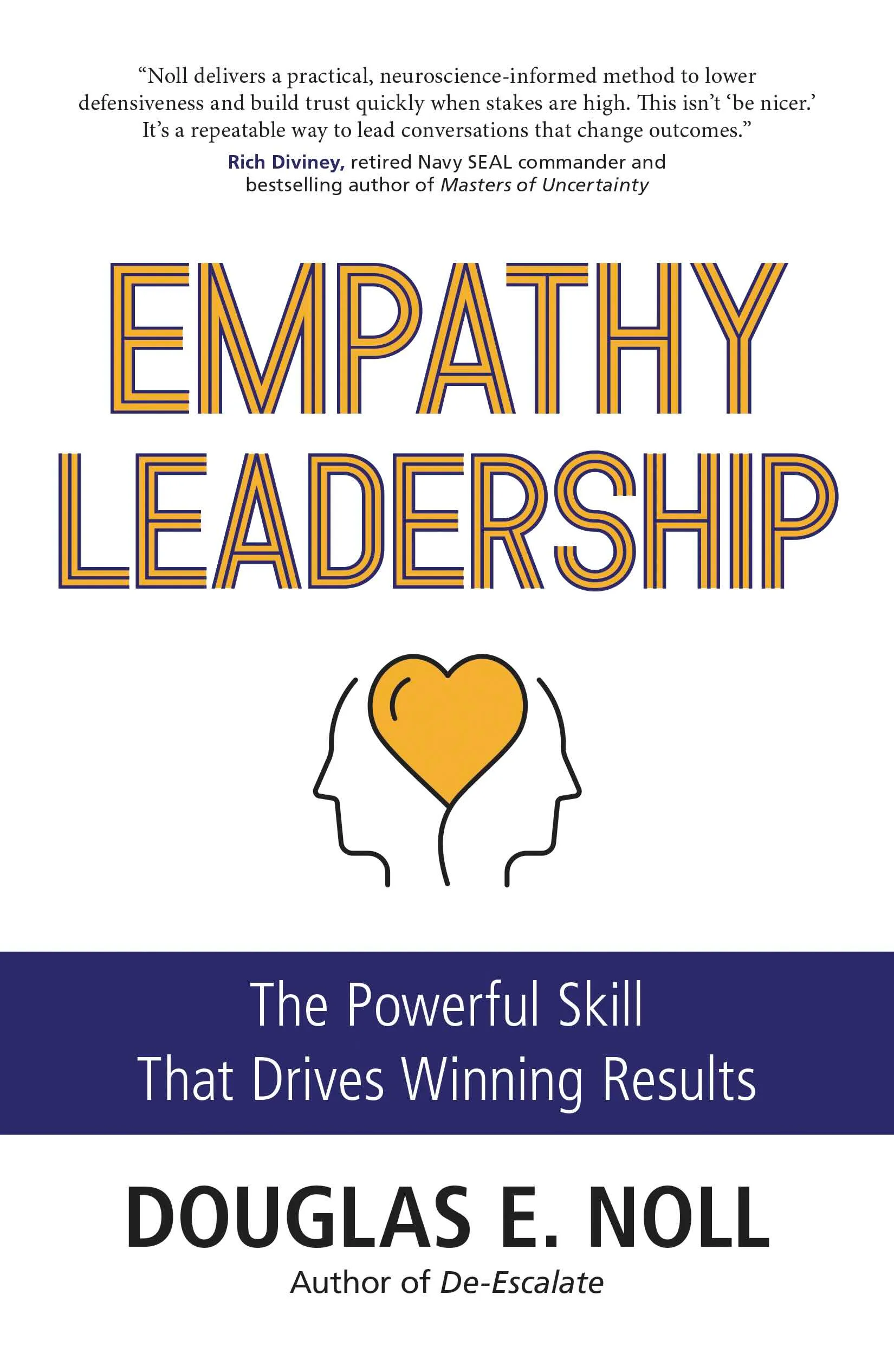
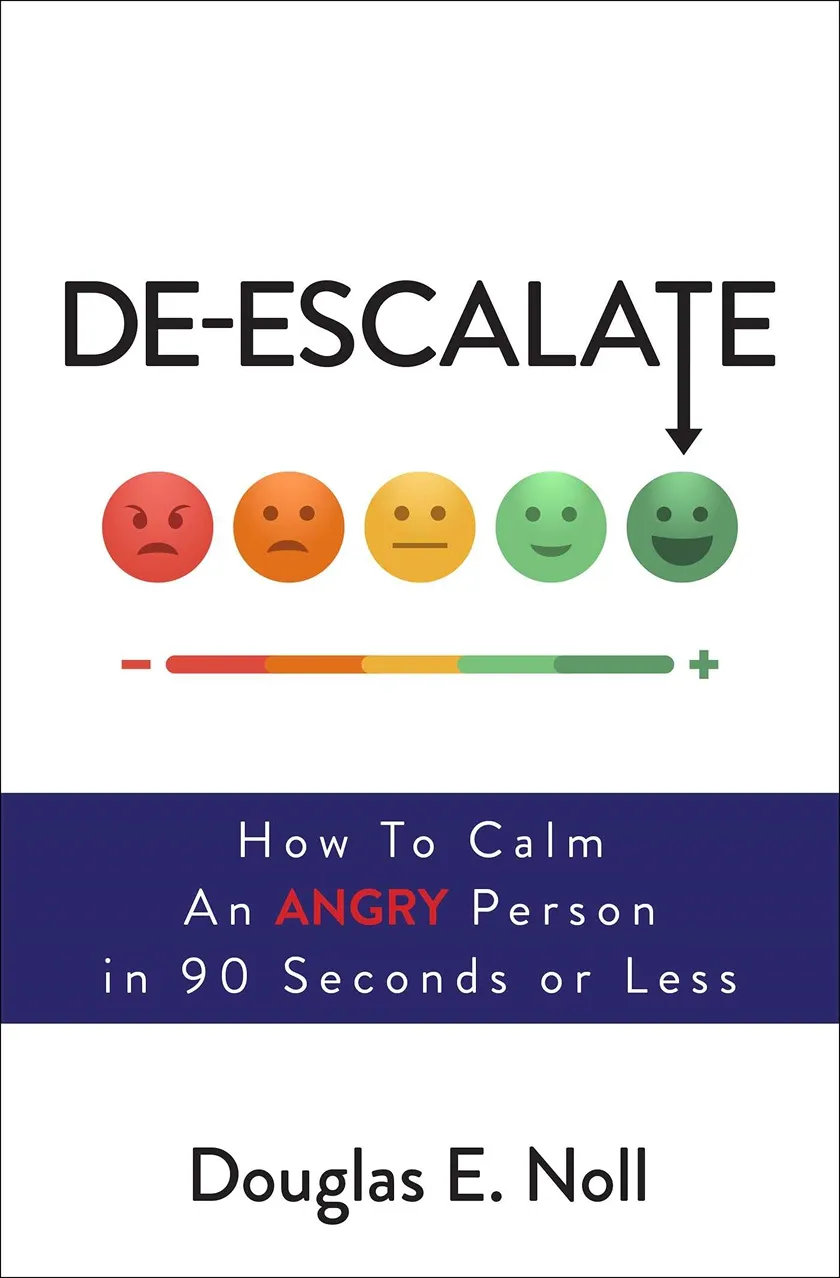
Doug has authored several books on affect labeling and emotional competency, including De-Escalate: How to Calm an Angry Person in 90 Seconds or Less, which won multiple awards and has been adopted by organizations worldwide.