The Foundation Board Vote That Split the Family Forever
%201.avif)

The vote was four to three.
The item was a grant of $250,000 to an arts organisation in the city where the family's original business had been located. The foundation had assets of roughly $80 million and made about $3.5 million in grants annually.
By the standards of what the family decided in any given year, it was small.
It has now been six years. In that time the operating company has had three CEOs, completed two acquisitions, and executed a partial liquidity event worth just under $200 million.
The four to three vote is the only thing anyone in that family is still angry about.
Why the foundation is where families fight
The operating business has a defence against this, which is that it has an external referent. There is a market. There are numbers. When two family members disagree about a business decision, reality eventually adjudicates.
A family foundation has no such mechanism.
Grant decisions are, at bottom, statements about what the family believes matters. There is no return metric that settles it. Two people can disagree about whether to fund an arts organisation or a health initiative, and there is no quarter in which one of them turns out to have been right.
So the disagreement stays live, permanently, and it is a disagreement about values with the family name attached to it.
This is why foundation boards produce disproportionate conflict relative to the money involved. The money is not what is being contested.
What the vote was actually about
The four who voted yes were, without exception, members of the family who still lived within fifty miles of the original city.
The three who voted no had all moved away, two of them decades earlier.
Nobody framed it that way in the meeting. The stated arguments were about grant strategy, geographic concentration, and whether the foundation should be funding operating support or programmatic work. Those were real arguments and everyone made them sincerely.
Underneath was a question the family had never addressed, which is whether the family is from somewhere, and whether the people who left are less of it.
That question had been present since 1988. The vote gave it a number.
The eight-word sentence that made it permanent
After the vote, in the moment where people gather their papers, the eldest of the four said something to nobody in particular.
"Some of us still remember where this came from."
She has since said, credibly, that she did not mean it the way it landed. It is the kind of sentence that people say without hearing themselves.
The three who had voted no heard it precisely as an accusation of disloyalty, delivered publicly, immediately after a vote they had just lost.
Six years later, two of them have reduced their involvement in the foundation to the minimum their obligations require. One has not attended a family event outside a funeral since 2020.
Why nobody repaired it
Because the sentence was deniable and the vote was legitimate.
There was no procedural violation to point at. Nobody could raise it without appearing to be a poor loser about a $250,000 grant. And the person who said it did not believe she had done anything, which meant any approach to her began with an accusation she would experience as unfair.
So the correct move, which was for someone to say something within about forty-eight hours, was available to nobody and was therefore not made.
This is the most common failure mode in fiduciary bodies with family members on them. The damage occurs in the informal moments around a formal process, where there is no mechanism and no standing.
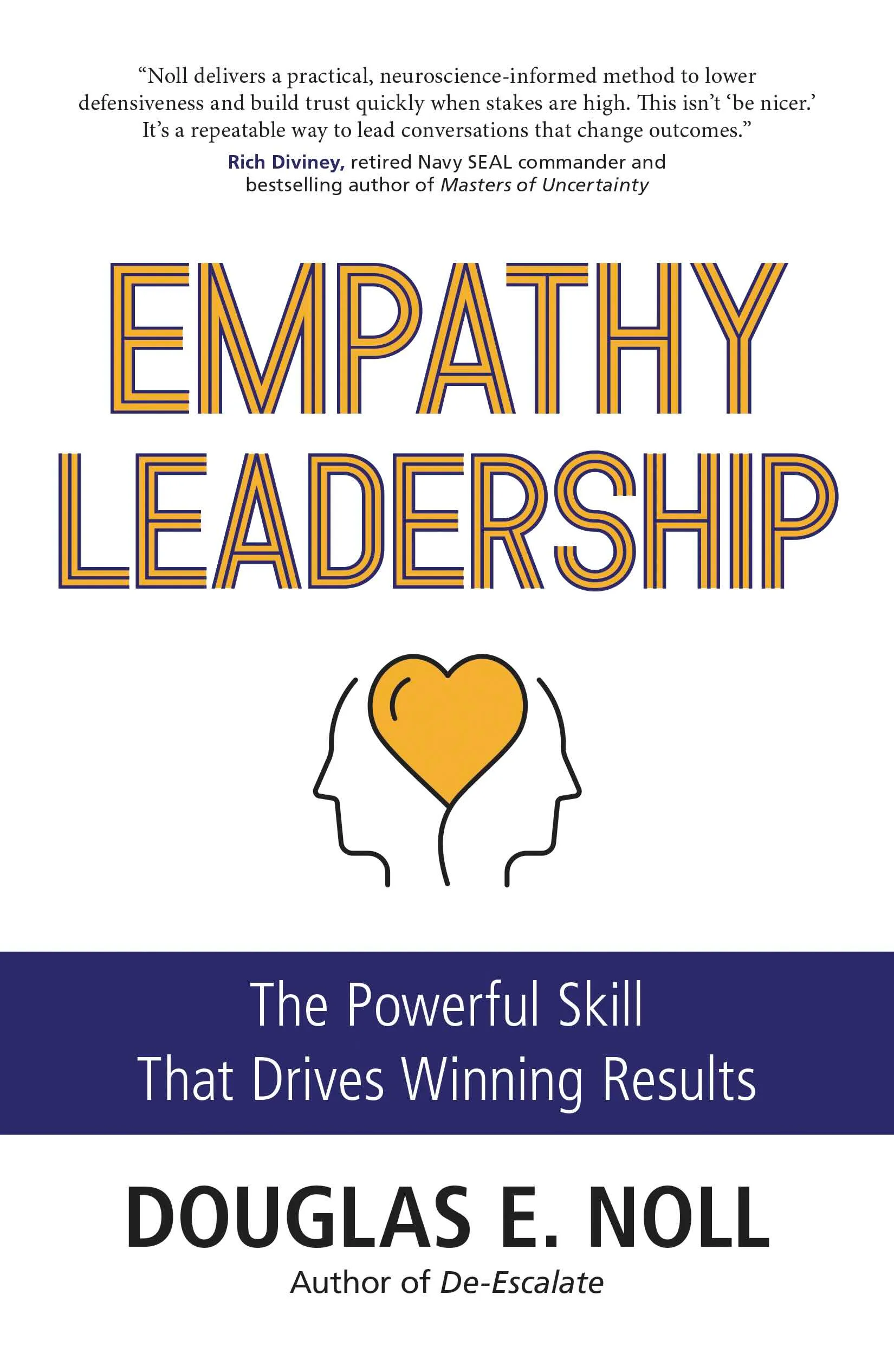
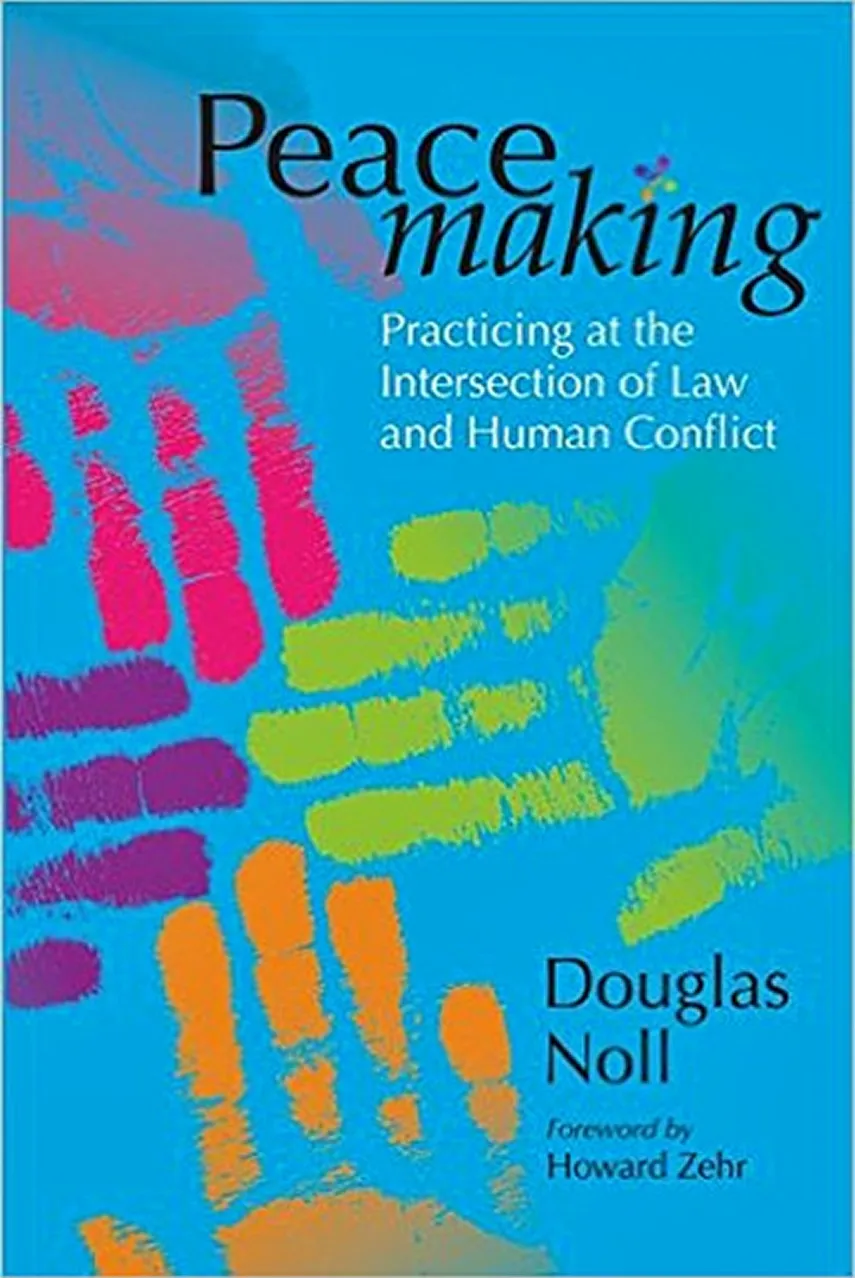
Doug Noll's new book Empathy Leadership: The Powerful Skill That Drives Winning Results covers repairing the ruptures that happen outside the formal process. Pre-order it on Barnes & Noble.
What a chair with the right training does
Two things, and both are unglamorous.
They do not let a divided vote end without acknowledgment. After a four to three on anything values-adjacent, the chair says something before people stand up. "That was a genuine split on something that matters to all of us. I want to name that, because we are going to keep working together and I do not want it to sit."
Twenty seconds. It does not resolve the disagreement. It makes the disagreement a shared event rather than a private wound.
They follow up individually with the minority within a day. Not to relitigate. To ask one question: "How did that land?"
The chair in this case was a family member with no training in any of this, which is the norm. He did neither, because nobody had ever told him they were part of what he had agreed to do.
The rule worth adopting
Any family entity that makes decisions about values rather than returns should treat every divided vote as an event requiring follow-up, regardless of the amount involved.
The size of the grant has no relationship to the size of the wound. The $250,000 is the smallest number in this entire story.
For related reads, see Board Governance Under Emotional Pressure and Conflict Resolution Before Lawsuits.
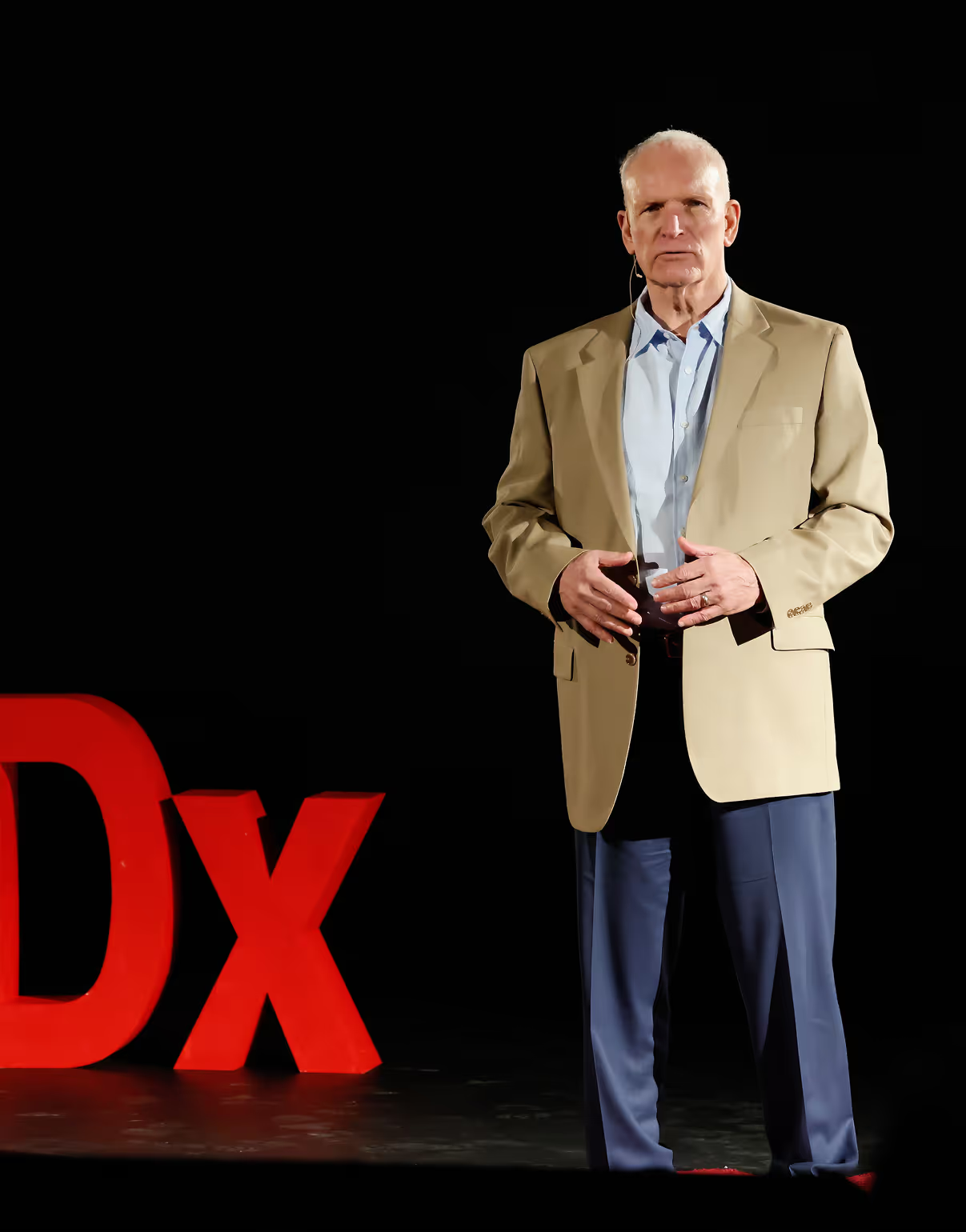
If your family foundation has produced a division nobody has addressed, book a no-obligation Zoom call with Doug Noll.
Emotional Competence Shapes Your Influence as a Leader
This 90-second emotional competence quiz will tell you how your emotions affect the way you are treated at work and how to gain the respect and influence you deserve as a leader.
Take the Free Assessment
Doug’s Books
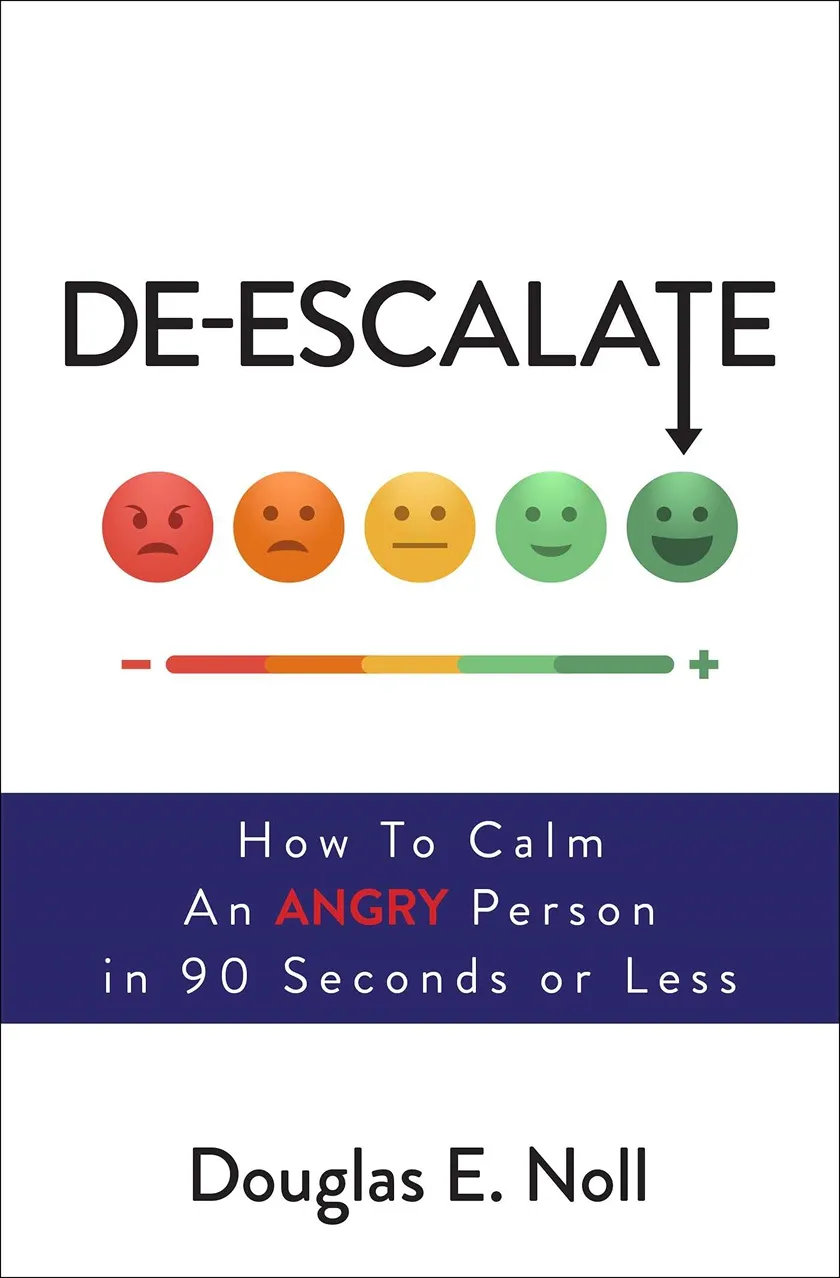
Doug has authored several books on affect labeling and emotional competency, including De-Escalate: How to Calm an Angry Person in 90 Seconds or Less, which won multiple awards and has been adopted by organizations worldwide.