The Silence Penalty-The Hidden Cost of Withheld Bad News
%201.avif)

A delayed problem costs 5 to 10 times more than an early one.
A missed deadline disclosed late destroys trust faster than a missed deadline disclosed early.
A client issue hidden for 2 weeks can erase a 2 year relationship.
That multiplier is the Silence Penalty.
You do not see it in one dramatic explosion. You see it in rework, emergency meetings, overnight fixes, legal exposure, and quiet churn.
Every time someone withholds bad news for 48 hours, the financial damage compounds.
And you are the reason they stay silent.
The diagnosis
You believe people should just tell the truth.
You believe strong cultures reward transparency.
You believe if the team hides problems, the problem is character.
The problem is biology.
The moment someone anticipates negative evaluation, the amygdala activates. Cortisol rises. The prefrontal cortex loses clarity. The nervous system prioritizes self protection over organizational health.
Silence becomes survival.
If delivering bad news feels dangerous, silence feels rational.
You do not have a communication problem.
You have a threat environment.
The four silence triggers
Withheld bad news is not random. It is predictable. It follows four patterns.
1. The punishment memory
Someone was previously criticized, embarrassed, or corrected publicly for raising an issue.
The brain encoded that event as threat.
Next time, the amygdala activates before they speak.
Silence feels safer than exposure.
2. The executive intensity effect
You ask sharp questions. You move quickly. You correct details.
You believe you are efficient.
They experience volatility.
High intensity leadership without emotional regulation trains people to filter risk before it reaches you.
You get curated updates instead of reality.
3. The fix-it reflex
When bad news surfaces, you immediately solve it.
You believe you are helping.
They learn that bringing problems means losing ownership.
Next time, they try to solve it alone. They wait. They delay.
Delay increases cost.
If a $20,000 error is disclosed immediately, the damage may remain $20,000.
If disclosed 3 weeks later, after compounding downstream impact, it can reach $100,000.
4. The status threat
Bad news implies incompetence.
If your culture equates mistakes with weakness, people protect status before they protect results.
Status threat activates the same neural circuitry as physical threat.
The amygdala does not distinguish between social humiliation and physical danger.
Silence becomes automatic.
The science
The amygdala scans constantly for social danger. Delivering bad news to someone in power triggers anticipation of judgment.
Anticipated judgment elevates cortisol.
Elevated cortisol narrows attention and reduces long term reasoning.
The prefrontal cortex loses bandwidth.
In that state, the brain defaults to avoidance.
Avoidance produces delay.
Delay multiplies operational damage.
This is not a character flaw.
It is a predictable nervous system response to perceived threat.
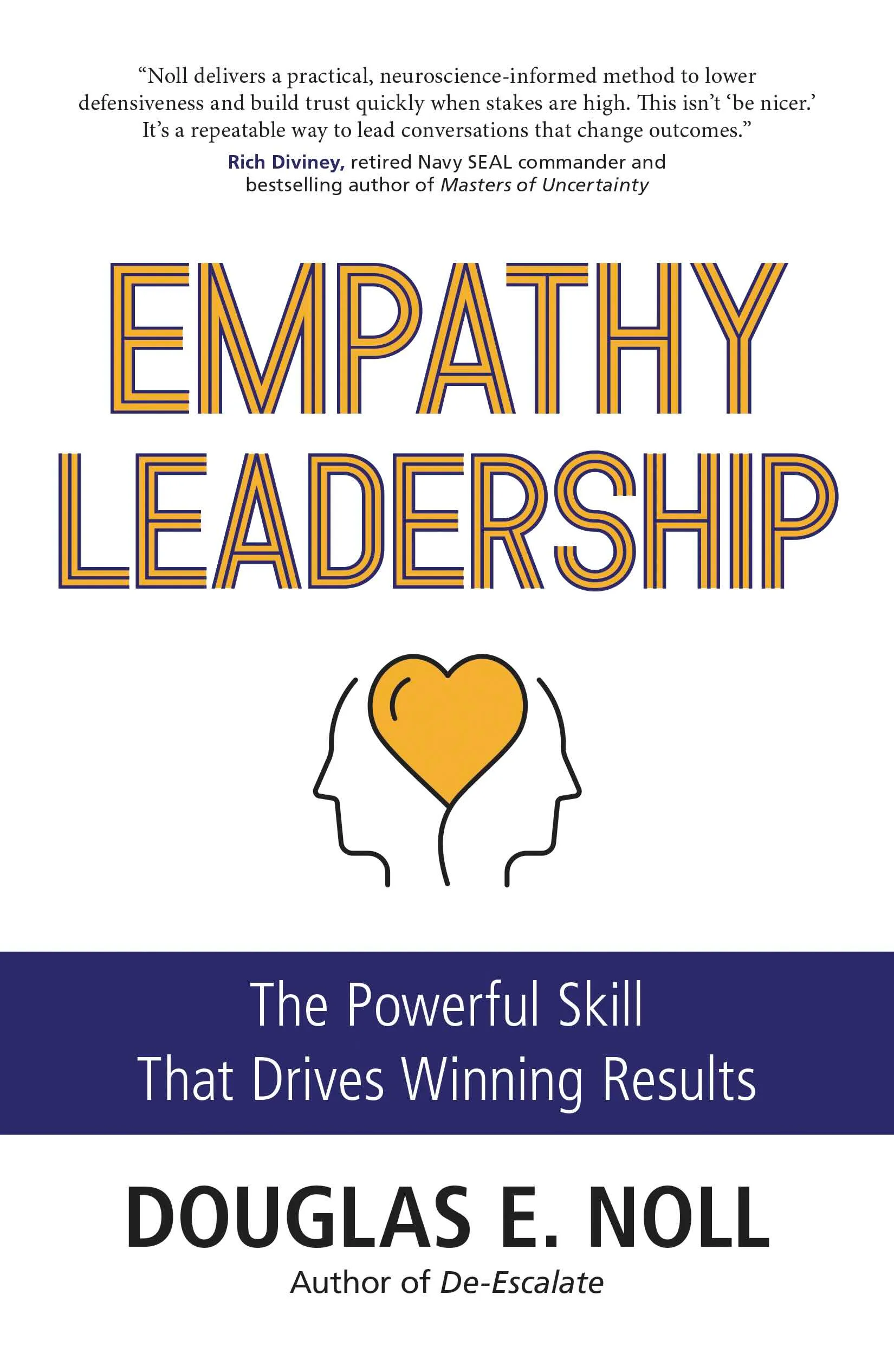
Pre-order Doug's new book on leadership empathy here
The cost multiplier
If one mid level manager delays surfacing a compliance issue for 30 days, and that delay results in:
- 3 emergency executive meetings at 2 hours each
- 6 senior leaders involved
- Average executive hourly cost of $200
That is 36 hours multiplied by $200 equals $7,200 in meeting time alone.
Add rework, legal consultation, client appeasement, and lost trust, and the number easily exceeds $50,000.
Multiply that by 4 or 5 similar events a year and the Silence Penalty crosses six figures.
The real cost is not the mistake.
It is the delay.
The counterintuitive protocol
You do not eliminate silence by demanding transparency.
You eliminate silence by making bad news neurologically safe.
When someone says, “There is an issue,” do not ask for justification.
Say, “You are worried about how this will land.”
Pause.
When a team member hesitates in a meeting, do not pressure.
Say, “You seem concerned bringing this up.”
Pause.
When someone finally admits an error, do not move into analysis.
Say, “You are frustrated this happened.”
Pause.
One short, declarative sentence that names the emotion.
Nothing more.
Accurate emotional labeling reduces amygdala activation. Cortisol decreases. The prefrontal cortex reengages. Cognitive capacity returns.
Only then do you ask:
“What happened?”
Then:
“What do you recommend we do next?”
You are not removing accountability.
You are removing threat.
When people trust that disclosure does not equal humiliation, reporting speed increases.
When reporting speed increases, damage decreases.
If early disclosure reduces the financial impact of just one major issue by 50 percent, and that issue would have cost $200,000, the return on emotional regulation is immediate.
Silence is not a loyalty problem.
It is a threat response.
Reduce the threat, and the truth arrives on time.
Emotional Competence Shapes Your Influence as a Leader
This 90-second emotional competence quiz will tell you how your emotions affect the way you are treated at work and how to gain the respect and influence you deserve as a leader.
Take the Free Assessment
Doug’s Books
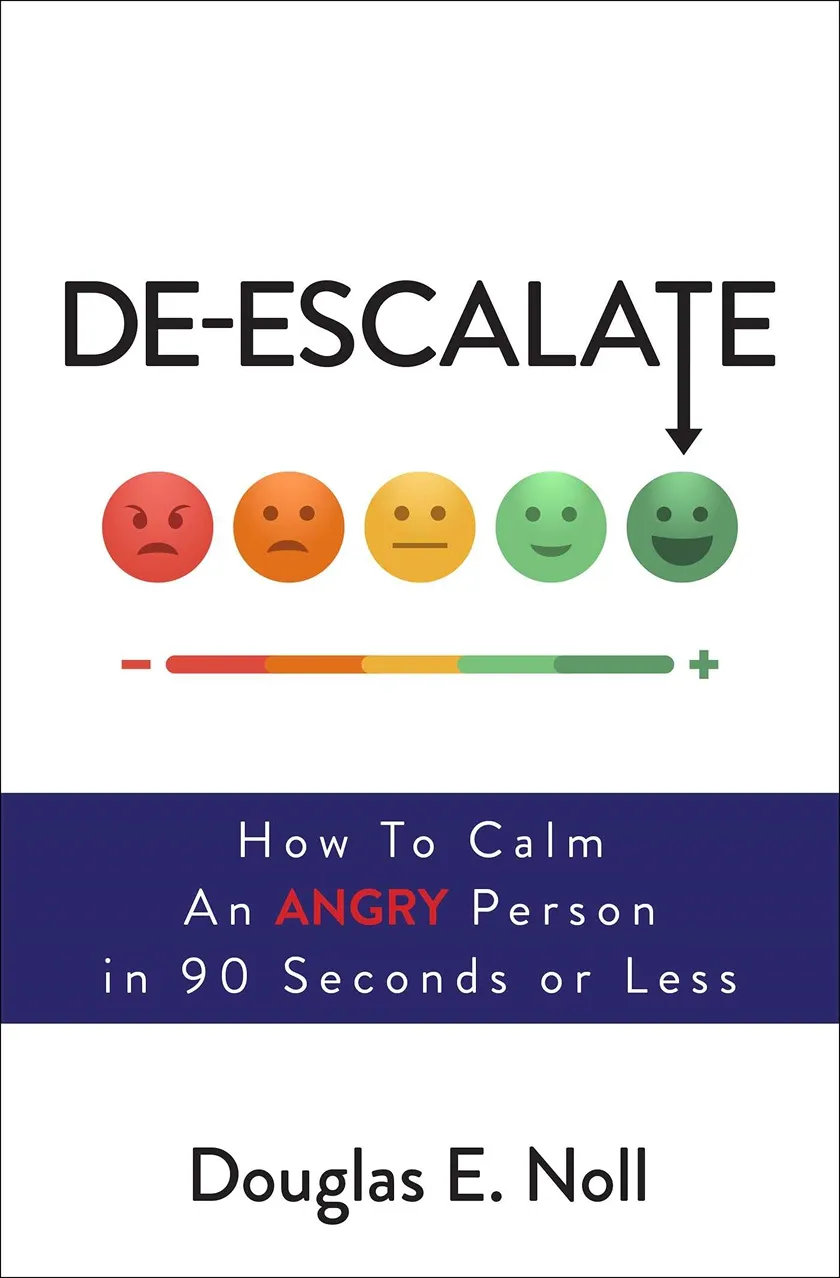
Doug has authored several books on affect labeling and emotional competency, including De-Escalate: How to Calm an Angry Person in 90 Seconds or Less, which won multiple awards and has been adopted by organizations worldwide.