The “Rational” Illusion: Why Logic-Only Decisions Bleed Cash
%201.avif)

You approved the project because the numbers made sense.
Six months later, adoption is weak, morale is down, and revenue missed forecast by 18 percent.
The spreadsheet was correct.
The decision still bled cash.
If a $10 million initiative underperforms by 15 percent because of internal resistance and low buy-in, that is $1.5 million lost.
Not from bad math.
From ignored emotion.
That is the Rational Illusion.
You believe you are making objective decisions.
You are making emotionally blind ones.
The diagnosis
You pride yourself on data driven leadership.
You remove “feelings” from the room.
You demand evidence, logic, projections, and ROI models.
You believe this reduces risk.
It increases it.
The moment stakeholders feel unheard, overridden, or minimized, their amygdala activates. Cortisol rises. The prefrontal cortex, responsible for complex reasoning and cooperation, loses efficiency.
Outwardly, they comply.
Internally, they disengage.
Compliance without commitment destroys execution.
Execution failure destroys margin.
You do not lose money at the decision point.
You lose it during implementation.
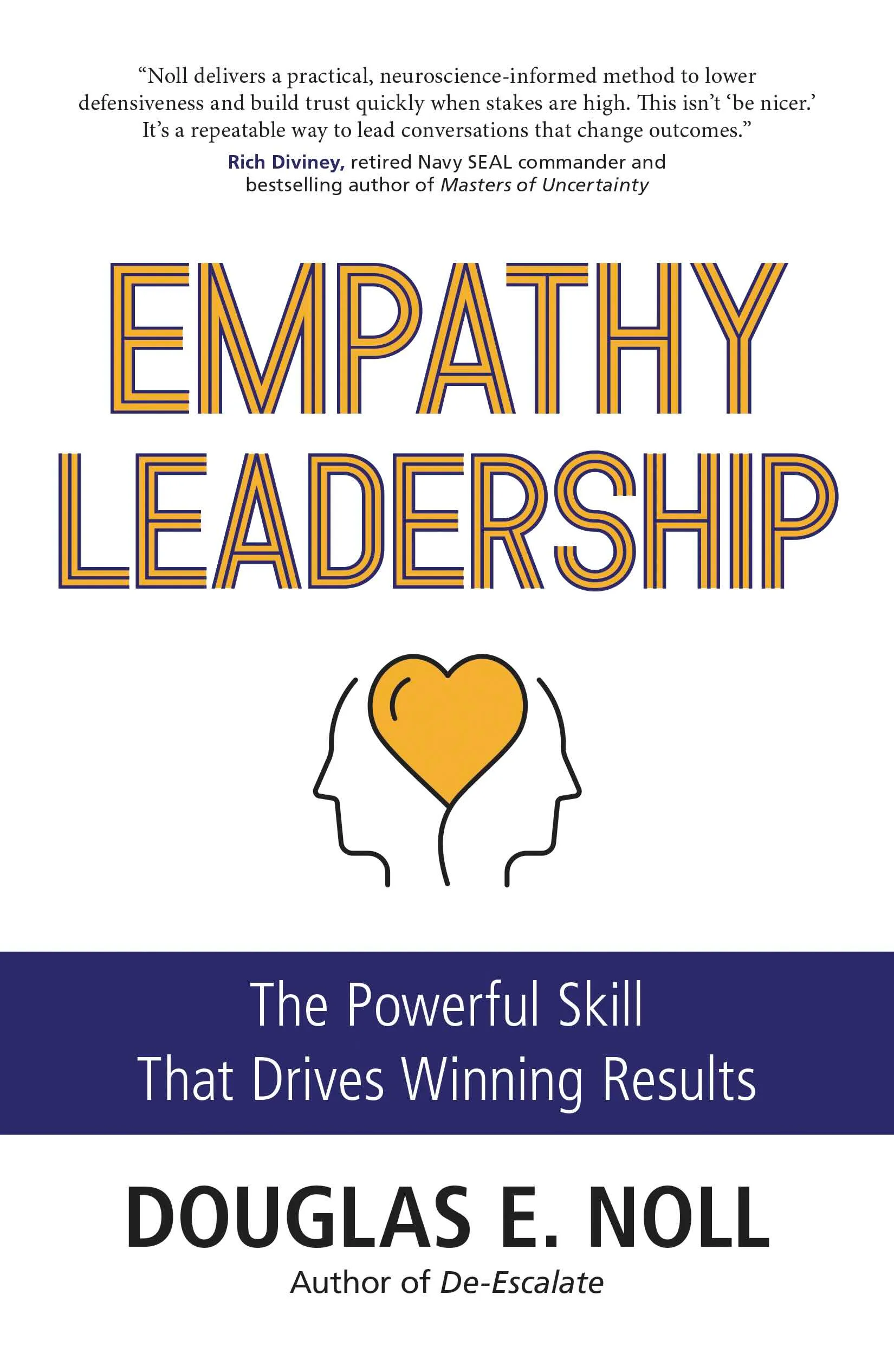
This is the neuroscience at the heart of Doug Noll's new book, Empathy Leadership: The Powerful Skill That Drives Winning Results. Pre-order on Amazon.
The four cash leaks in logic-only leadership
1. The buy-in deficit
You make the “correct” call quickly.
You skip emotional alignment.
Stakeholders feel sidelined.
When implementation begins, enthusiasm is low.
Deadlines slip.
If a 12 month transformation slows by 2 months because of lukewarm engagement, and monthly operating impact is $500,000, the delay costs $1 million.
Speed at the front end creates drag at the back end.
2. The hidden resistance pattern
Logic-only decisions suppress dissent.
People stop arguing.
They do not stop disagreeing.
They comply publicly and resist privately.
Resistance shows up as minimal effort, slow response times, and procedural friction.
Even a 10 percent drop in discretionary effort across a 50 person team averaging $120,000 salary equals $600,000 in lost productivity annually.
You never see it labeled as resistance.
You see it as “performance issues.”
3. The client misread
You focus on pricing models, feature comparisons, and efficiency metrics.
You ignore emotional signals.
The client nods through the presentation.
Their amygdala activates when they feel pressured or misunderstood.
They delay the decision.
If your close rate drops from 45 percent to 38 percent on 100 qualified opportunities with $80,000 average value, that is $560,000 in lost revenue.
Your logic was sound.
Their nervous system was not safe.
4. The reputational erosion
Leaders who prioritize logic over emotional accuracy gain a reputation for being cold or dismissive.
Top talent recalculates risk.
Turnover increases.
Replacing one senior employee earning $200,000 can cost $300,000 to $400,000.
The Rational Illusion compounds.
The neuroscience you ignore
The brain does not separate emotion from decision making.
The amygdala evaluates threat first.
Only after emotional safety is established does the prefrontal cortex fully engage in rational analysis.
When you push logic into an activated nervous system:
- Cortisol increases.
- Trust decreases.
- Cognitive flexibility decreases.
- Risk tolerance narrows.
People default to defensive thinking.
Defensive thinking favors short term safety over long term gain.
You believe you are optimizing for efficiency.
You are activating survival.
Survival thinking bleeds cash.
Mastering Leadership Empathy: 5 Essential Lessons for High Level Executives
The counterintuitive protocol
Do not remove emotion from decision making.
Regulate it.
Before presenting numbers, identify emotional state.
If a stakeholder looks tense, say:
“You are concerned this could backfire.”
Pause.
If a client pushes on price, say:
“You are unsure the return justifies the risk.”
Pause.
If a team resists a strategic pivot, say:
“You feel this move is destabilizing.”
Pause.
One short declarative sentence that names emotion.
Nothing more.
Accurate labeling reduces amygdala activation. Cortisol declines. The prefrontal cortex reengages.
Now logic lands.
Now data persuades.
Now execution aligns.
If emotional regulation improves adoption by even 5 percent on a $10 million initiative, that is $500,000 preserved.
The illusion is believing logic is neutral.
Logic delivered without emotional regulation is threat.
Regulate the nervous system first.
Then the numbers work.
Emotional Competence Shapes Your Influence as a Leader
This 90-second emotional competence quiz will tell you how your emotions affect the way you are treated at work and how to gain the respect and influence you deserve as a leader.
Take the Free Assessment
Doug’s Books
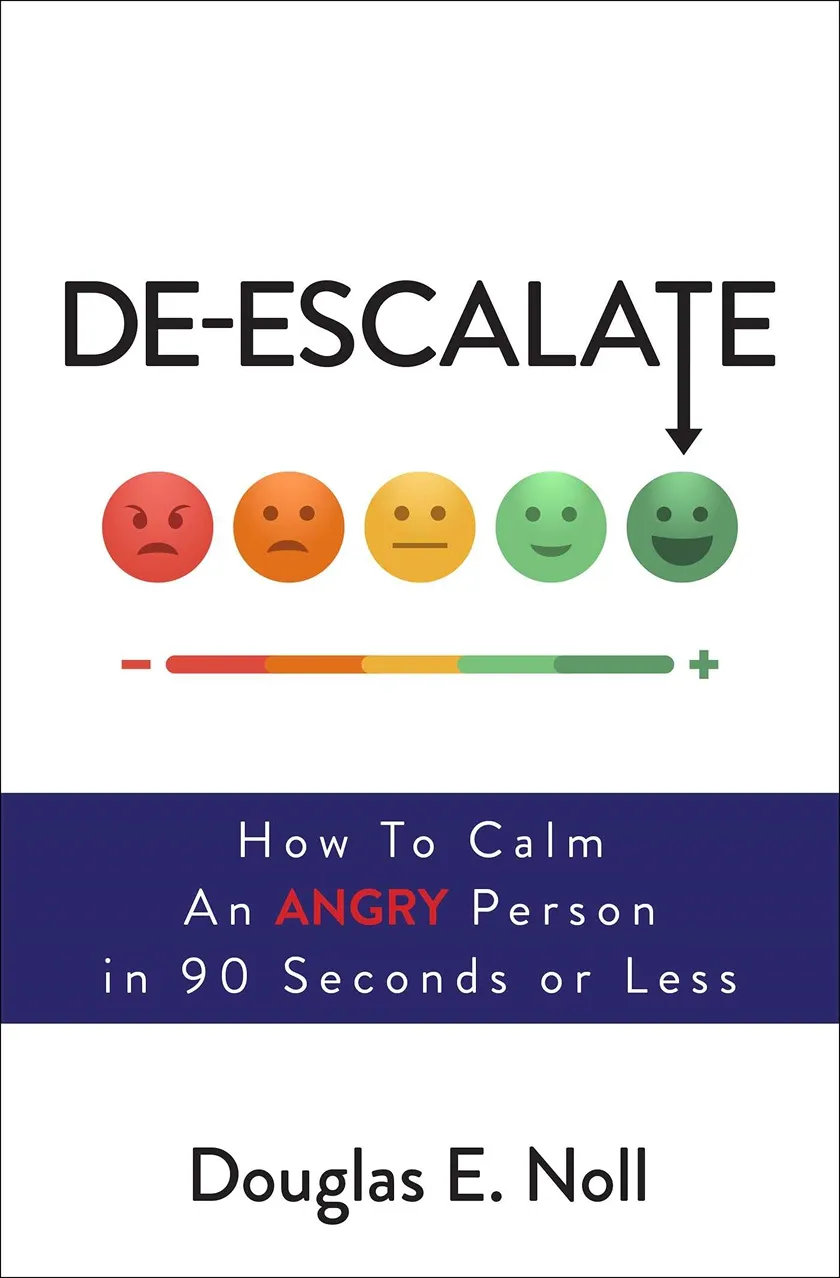
Doug has authored several books on affect labeling and emotional competency, including De-Escalate: How to Calm an Angry Person in 90 Seconds or Less, which won multiple awards and has been adopted by organizations worldwide.



More Blogs
View All

October 22, 2026
What Leading With Empathy Looks Like in a Hard Quarter: 5 Executive Examples
Read Blog

October 21, 2026
The 6 Essential Elements of Empathy Training for Managers That Actually Sticks
Read Blog

October 21, 2026
5 Hidden Reasons Empathy Training in the Workplace Fades by Month Three
Read Blog