We Lost 18 Months Because Two Executives Wouldn't Be in the Same Room
%201.avif)

The board spent fourteen months looking for a strategic explanation.
Growth had gone from 31 percent to 6 percent over five quarters. The market had not changed. Competitive win rates were flat. Pipeline coverage was adequate. The product had shipped everything on the roadmap.
They commissioned a market study. It found nothing. They brought in a pricing consultant. Pricing was fine. They replaced the CMO, which produced a brief improvement in lead volume and no improvement in revenue.
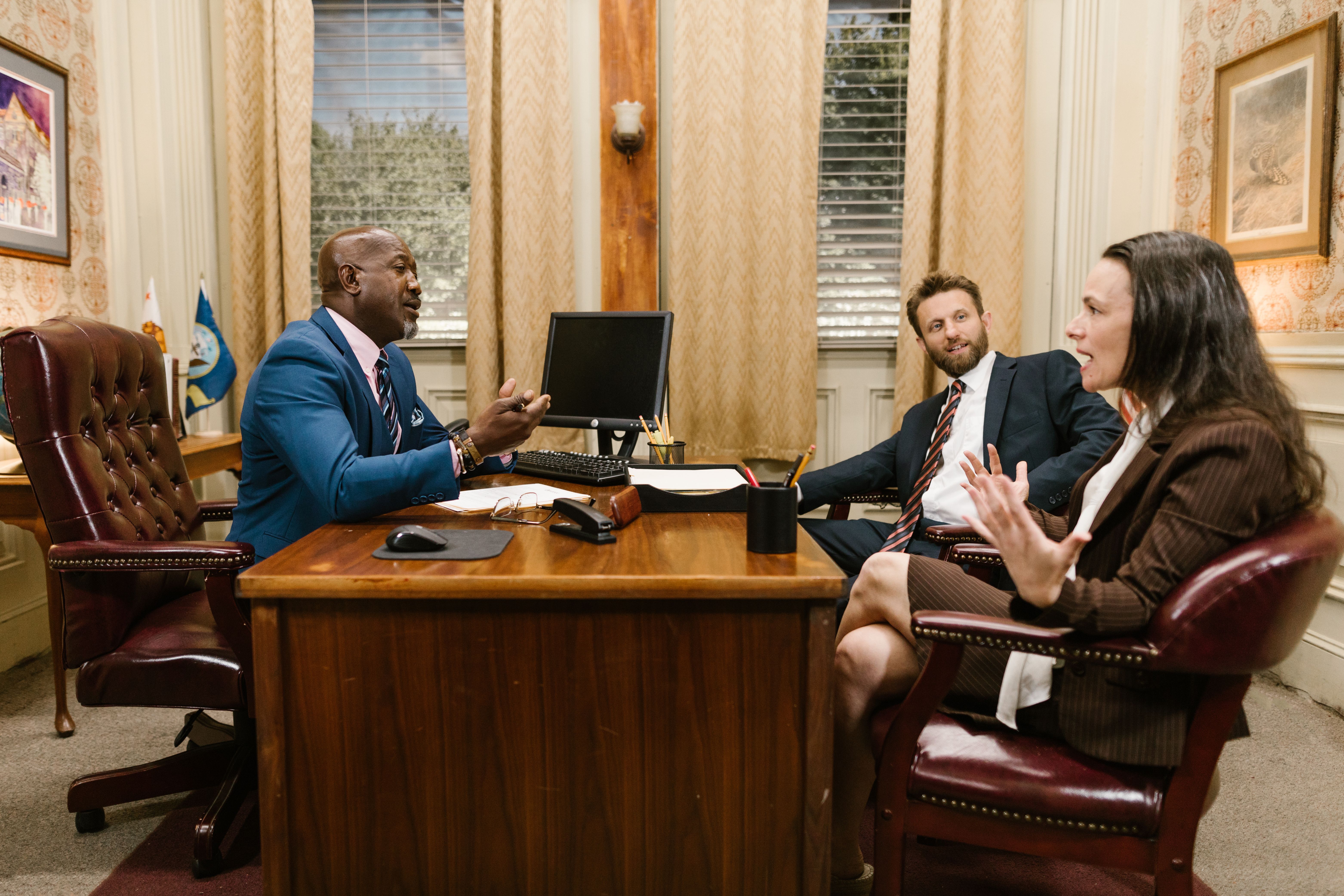
The actual cause was that the CFO and the COO had stopped speaking to each other in any meaningful sense in the third quarter of the previous year.
The rupture
It was not a fight. Nobody remembers raised voices.
There had been a decision about how to structure a new business unit. The CFO had built the model. The COO had a different view, which she had raised twice in writing. The CEO had gone with the CFO's structure.
That is a normal outcome and she had no complaint about it.
What she had a complaint about was that she learned the decision had been made from a slide in an all-hands. Nobody told her. The CFO had assumed the CEO would; the CEO had assumed the CFO would. It was an oversight rather than a slight.
She sat in that all-hands, watched her position get overridden without notice in front of 200 people, and said nothing.
Two weeks later the CFO sent her a note asking to grab lunch. She replied that things were busy. He did not ask again.
How a rupture between two people slows an entire company
Their functions touched at eleven points. Every one of those handoffs now travelled through a subordinate.
The finance business partner who supported operations began receiving requests she was not senior enough to interpret, so she interpreted them conservatively. Cross-functional projects acquired an extra approval layer that nobody designed. Two initiatives that required genuine joint ownership got split into parallel workstreams with a coordination meeting, which is what organisations do when the two people who should be co-owning something cannot be in a room.
None of that shows up in any report. The org chart was unchanged. Both executives were rated highly in their reviews. Both would have told you, sincerely, that they had a professional relationship with the other.
The emotional intelligence failure here was not between them. It was that nobody above them noticed that eleven interfaces had quietly acquired friction.
Why the board kept looking in the wrong place
Because boards are constituted to examine strategy, market, and capital, and they are staffed by people whose expertise is in those domains.
There is no line in a board pack for the state of the relationship between the two most operationally coupled executives in the company. There is no metric for it. It does not appear in any dashboard, and if a director raised it they would have to do so on the basis of an impression, which is not how board conversations work.
So fourteen months and roughly $700,000 in advisory fees went into examining everything except the thing.
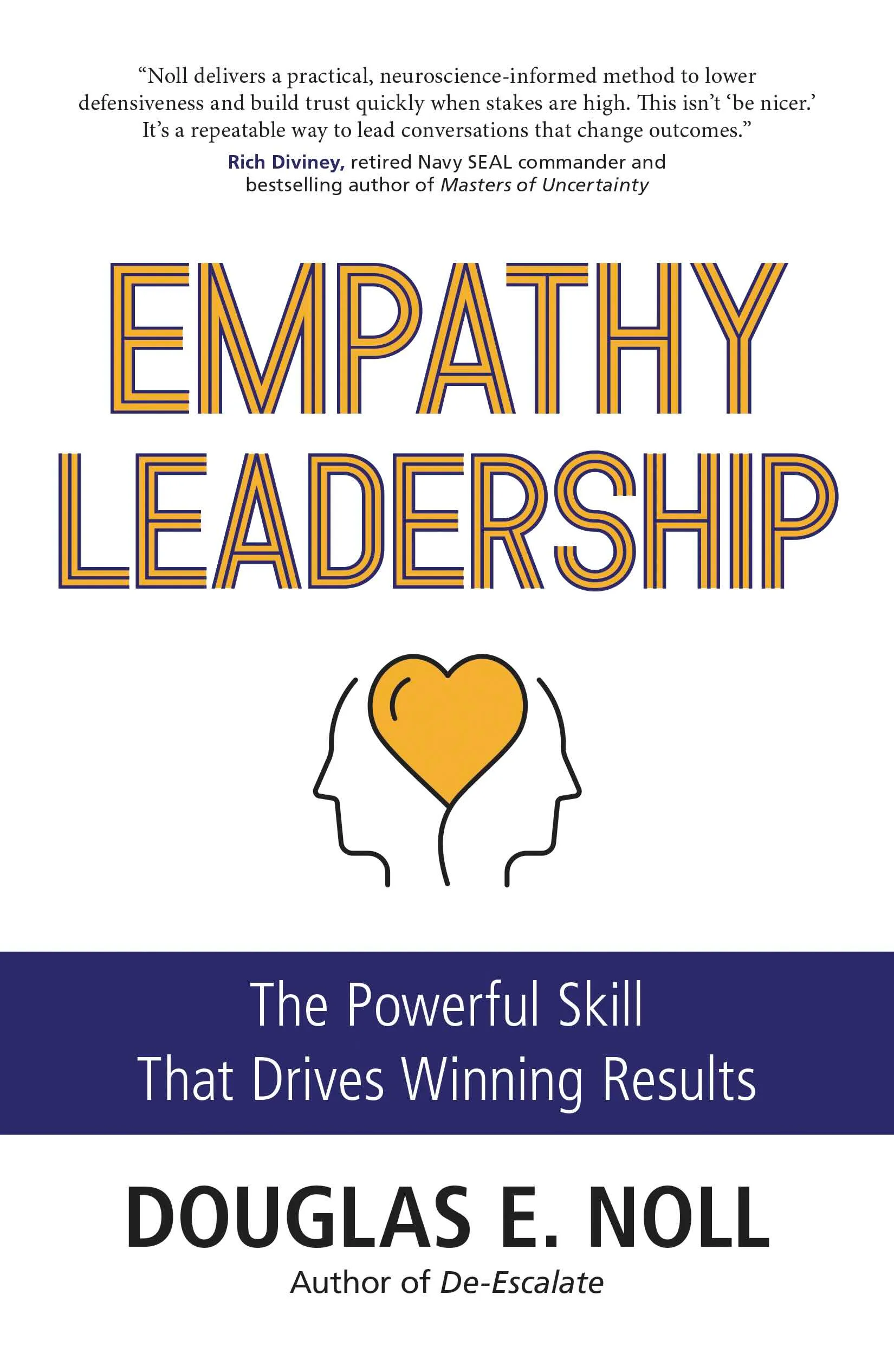
Doug Noll's new book Empathy Leadership: The Powerful Skill That Drives Winning Results covers how interpersonal ruptures become operating costs and how to find them. Pre-order it on Bookshop.
What surfaced it
A new independent director, in her first month, did one-on-ones with the top eight executives.
She asked each of them the same closing question: "Who in this company do you find it hardest to work with, and what happened?"
Six of the eight named the CFO-COO relationship without being prompted about it. Two of them had thought about it in detail and had theories about the cause. Nobody had ever been asked.
She took it to the CEO. His first response was that they were both professionals and it was fine. His second response, about a week later, was to ask her how she would approach it.
The repair
A facilitator, one session, ninety minutes.
The facilitator did not ask them to discuss the business unit decision. That was eighteen months settled and relitigating it would have produced nothing.
She asked one question: "What happened between you that neither of you has said?"
The COO described the all-hands. In detail. Where she was sitting, what the slide looked like, what she thought in the moment.
The CFO said, and this is the part that matters, "I did not know you did not know."
That was the entire content of the rupture. Eighteen months, eleven degraded interfaces, and roughly twenty-five points of growth, resting on an assumption about who was going to send an email.
The instrument that finds these
One question, asked to every senior leader, twice a year, by someone who does not report to any of them.
"Who is it hardest to work with here, and what happened?"
You will get an answer. You will frequently get the same answer from multiple people, which is how you know it is structural rather than a personality complaint.
The cost of asking is an hour per executive. The cost of not asking, in this case, was fourteen months and a growth rate.
For related reads, see Conflict Latency and Naming the Elephant Without Fear.
If your company has slowed and the strategic explanations do not fit, book a no-obligation Zoom call with Doug Noll.
Emotional Competence Shapes Your Influence as a Leader
This 90-second emotional competence quiz will tell you how your emotions affect the way you are treated at work and how to gain the respect and influence you deserve as a leader.
Take the Free Assessment
Doug’s Books
Doug has authored several books on affect labeling and emotional competency, including De-Escalate: How to Calm an Angry Person in 90 Seconds or Less, which won multiple awards and has been adopted by organizations worldwide.