Mirror Neurons Stop Your Stress From Viral Spread
%201.avif)

One emotionally volatile executive can reduce the performance of an entire department.
If a stressed leader causes a 10 percent productivity drop across a 50 person team averaging $110,000 in salary, that equals $550,000 in lost output annually.
If elevated stress increases attrition by just 3 employees earning $140,000 each, and replacement cost runs 150 percent of salary, that adds another $630,000.
That is over $1.1 million from one source.
Emotional contagion.
Stress spreads faster than strategy.
And your brain is wired to transmit it.
The diagnosis
You believe your stress is personal.
You believe if you stay functional, the team is unaffected.
You underestimate mirror neurons.
Human nervous systems synchronize automatically.
The moment a leader enters a room tense, reactive, or emotionally compressed, surrounding brains begin mirroring that state.
The amygdala detects emotional threat socially.
Cortisol spreads behaviorally.
One dysregulated leader can activate an entire room without saying a word.
You think you are driving urgency.
Your team experiences instability.
The four ways stress goes viral
1. The tone transmission effect
Sharp tone signals threat instantly.
Even neutral feedback delivered with tension elevates amygdala activation in listeners.
Once activated, listening quality decreases and defensiveness rises.
One tense interaction can alter the emotional baseline of an entire day.
2. The urgency cascade
Leaders under stress compress timelines, interrupt frequently, and escalate minor issues.
The team mirrors the pace.
Cortisol rises collectively.
As cortisol increases, cognitive flexibility drops.
Mistakes rise.
Rework expands.
The urgency you created slows execution.
3. The emotional unpredictability pattern
Inconsistent emotional reactions create hypervigilance.
Teams begin scanning mood rather than focusing on work.
If employees spend just 30 minutes daily managing emotional uncertainty around leadership, that equals 2.5 hours weekly.
Across a 40 person team, that is 100 hours per week.
At $60 average hourly cost, that equals $6,000 weekly.
Over a year, more than $300,000 disappears into emotional monitoring.
4. The silent suppression loop
When leaders normalize chronic stress, employees hide strain.
They say “I’m fine.”
The nervous system remains activated.
Suppressed activation increases burnout, disengagement, and quiet resentment.
Stress unspoken becomes stress multiplied.
The neuroscience of emotional contagion
Mirror neurons help humans unconsciously imitate emotional states.
The amygdala constantly scans facial expression, tone, posture, and pacing for threat signals.
When a leader appears dysregulated:
- Cortisol rises across observers.
- Emotional synchronization occurs.
- Threat vigilance increases.
- Collaboration decreases.
The prefrontal cortex loses efficiency under shared stress conditions.
This reduces creativity, patience, and decision quality.
Stress is biologically contagious.
Leadership mood becomes organizational climate.
Want Doug to walk your leadership team through the Noll Method? Book a no-obligation Zoom call with Doug Noll.
The counterintuitive protocol
Stop managing appearances.
Regulate your nervous system first.
Before entering a meeting, identify your emotional state precisely.
Not “busy.”
Not “stressed.”
Specific.
“I am frustrated.”
“I am anxious.”
“I am overwhelmed.”
Accurate self labeling reduces amygdala activation internally.
Then regulate the room externally.
If tension rises, say:
“There seems to be pressure in the room.”
Pause.
If the team appears guarded:
“You seem concerned about how this is going.”
Pause.
Short, declarative emotion labels.
No forced positivity.
No motivational speeches.
Accurate labeling stabilizes nervous systems.
Stable nervous systems think clearly.
If emotional regulation improves productivity by just 5 percent across a $20 million payroll, that preserves $1 million annually.
Your stress is never isolated.
It spreads through tone, pacing, expression, and behavior.
Leadership is emotional broadcasting.
Regulate the signal.
Or the organization absorbs the cost.
Emotional Competence Shapes Your Influence as a Leader
This 90-second emotional competence quiz will tell you how your emotions affect the way you are treated at work and how to gain the respect and influence you deserve as a leader.
Take the Free Assessment
Doug’s Books
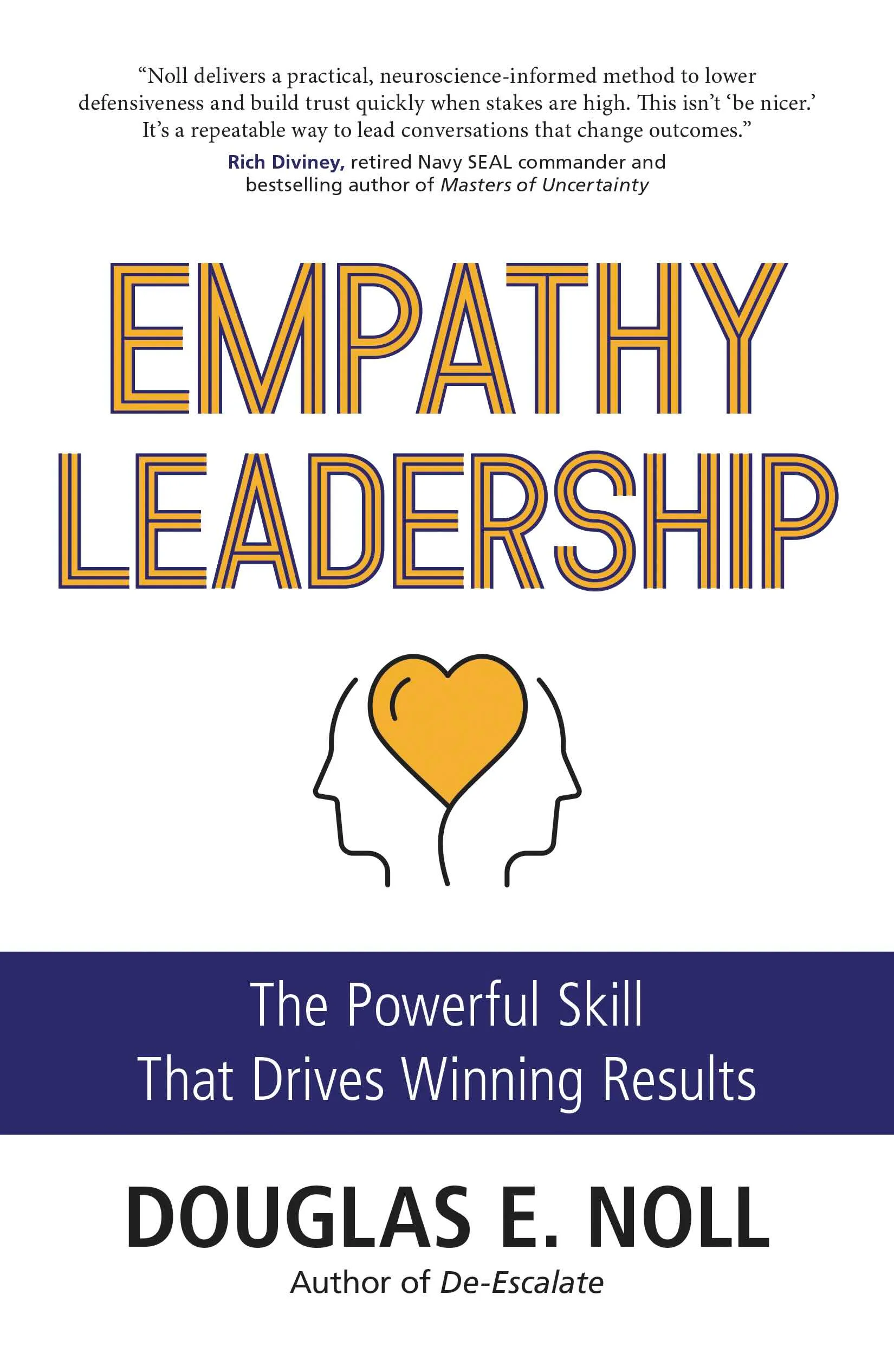
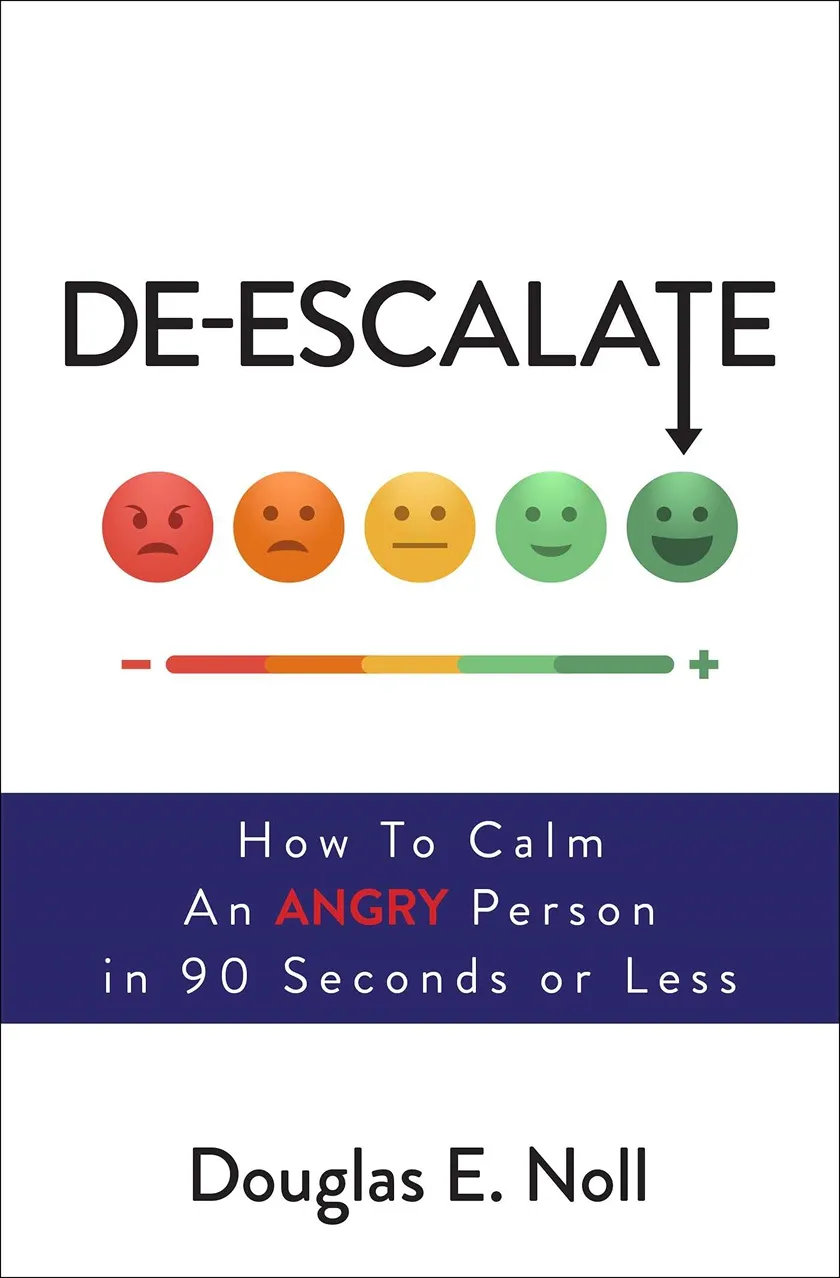
Doug has authored several books on affect labeling and emotional competency, including De-Escalate: How to Calm an Angry Person in 90 Seconds or Less, which won multiple awards and has been adopted by organizations worldwide.

More Blogs
View All

October 23, 2026
6 Powerful Reasons De-Escalation Training for Employees Doesn't Scale (and the Fix)
Read Blog

October 23, 2026
How Executive Dispute Mediation Actually Resolves a Board-Level Rupture
Read Blog

October 22, 2026
4 Critical Failures of Most Corporate Mediation (and the Approach That Works)
Read Blog