The Question His Number Two Never Asked. Until It Was Too Late.
%201.avif)

He had been president for two years and he had never once asked the question.
The plan for the year was aggressive. Forty percent growth on a base that had grown twenty-two the year before, funded by a sales hire ramp that assumed a productivity curve nobody had hit yet.
He had concerns. He had run the model himself and got a different number. He had raised specific pieces of it, the ramp assumption in one meeting, the territory coverage in another. Each time the founder had an answer, and the answers were not unreasonable.
What he never asked was the whole question.
"Do you actually believe this plan, or are we building to a number you already committed to the board?"
He asked it in March, after the Q1 miss, in a conversation that started as a post-mortem.
The founder was quiet for a while and then said, "I committed to the number in October and I have been trying to make it true since."
Why the deputy is the last person who will ask
The number two in most companies has the clearest view and the least incentive to use it.
They can see the gap between the stated plan and the operational reality, because they own the operational reality. They also occupy a position whose entire value is loyalty in public and candor in private, and those two things are in permanent tension.
There is a specific fear underneath it that almost nobody says aloud. If I ask this and the answer is no, then I am the person who knew, and I either have to act on it or become complicit.
Not asking preserves plausible deniability. Deniability feels like safety. It is the most expensive form of safety in an executive team.
The specific dynamic that keeps the question buried
The founder was not lying. He had committed to a number in a board conversation in October under pressure he did not fully name, and he had spent five months arranging inputs to make it defensible.
That is not deception. It is confirmation bias operating under commitment pressure, and it is close to universal once a number has been said out loud to people you need to trust you.
Every subsequent piece of analysis got weighed against a conclusion that was already fixed. Assumptions that supported the number got accepted quickly. Assumptions that threatened it got a second look and a reason.
His president raised individual assumptions, which meant the founder defended individual assumptions. That is a game the founder wins every time, because each individual assumption is defensible. The plan was only indefensible as a whole.
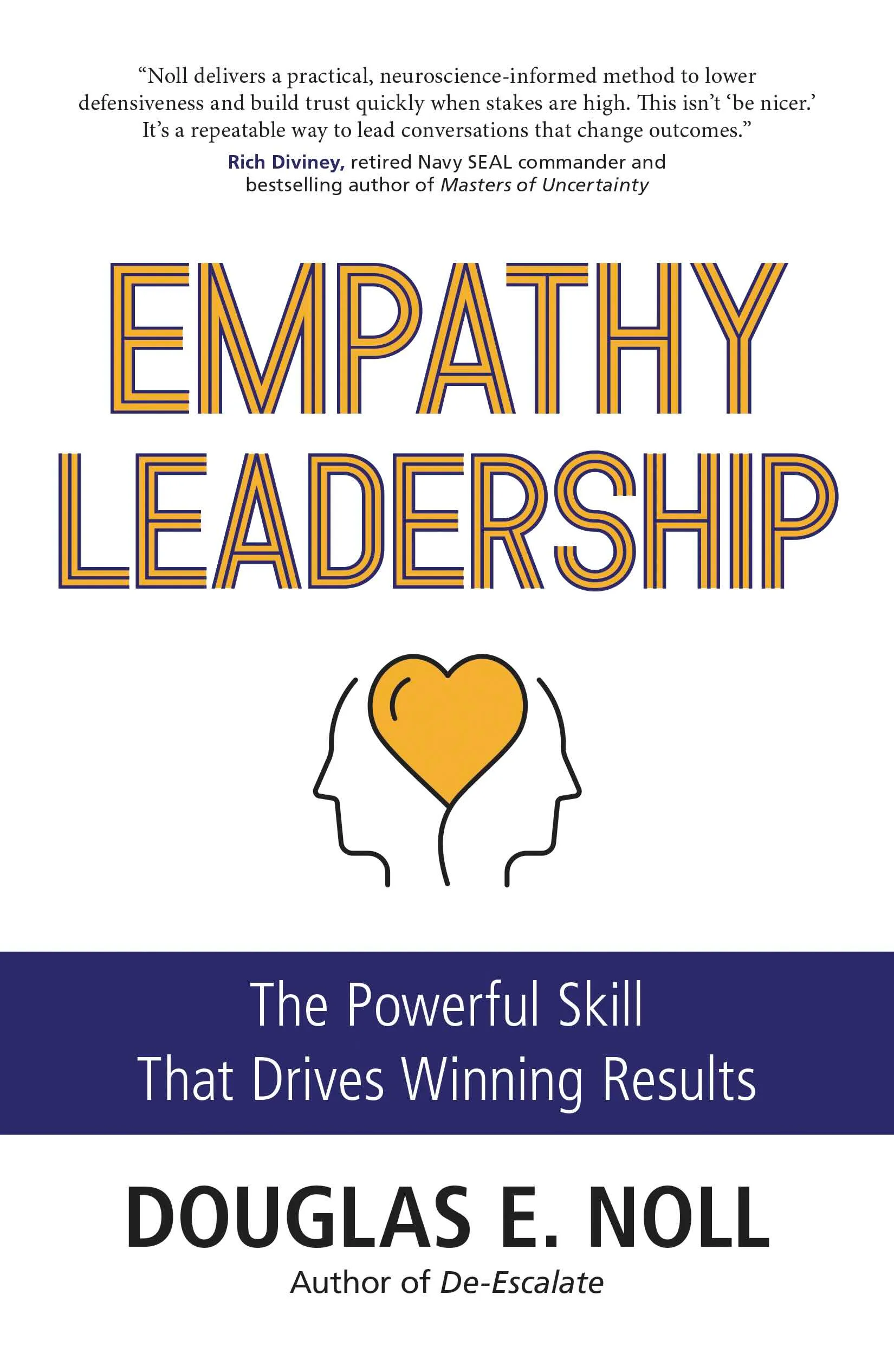
Doug Noll's new book Empathy Leadership: The Powerful Skill That Drives Winning Results covers how executive teams surface the commitments that are quietly driving their analysis. Pre-order it on Beyond Words.
How to ask it so it does not read as an attack
The whole question sounds like an accusation if you ask it flat, which is one reason it stays unasked.
The version that works has three parts.
Name your own position first. "I am going to ask you something that I have avoided asking for five months, and the avoidance is mine."
Ask about the commitment, not the competence. Not "do you believe this plan" but "is there a number you committed to before we built this, and are we working backwards from it?" The first question interrogates judgment. The second one interrogates sequence, which is a fact rather than a verdict.
Give the exit. "If the answer is yes, I would rather know now and help you renegotiate it than spend two more quarters building toward it."
That third part is what makes the honest answer survivable. Without it you are asking someone to confess with no path forward, and people do not do that.
What changed after March
They rebuilt the plan in nine days. The revised number was twenty-six percent, which was the number the president's model had produced in October.
The founder took the revision to the board himself. It was a hard meeting. It was substantially less hard than the meeting he would have had in November after three consecutive misses.
The president told him afterward that he had known since October. The founder said, "So did I."
For related reads, see The Silence Penalty and Honest Leadership.
The question to put on your own calendar
If you are the number two, there is a question you have been not-asking. You already know what it is. It arrived in your head reading this.
The cost of asking it is one uncomfortable conversation. The cost of not asking it compounds quarterly and eventually shows up as a number you both have to explain to people who will ask why nobody flagged it.
Somebody always knew. Usually it is you.
If you are carrying a question you have avoided asking your CEO or your board, book a no-obligation Zoom call with Doug Noll.
Emotional Competence Shapes Your Influence as a Leader
This 90-second emotional competence quiz will tell you how your emotions affect the way you are treated at work and how to gain the respect and influence you deserve as a leader.
Take the Free Assessment
Doug’s Books
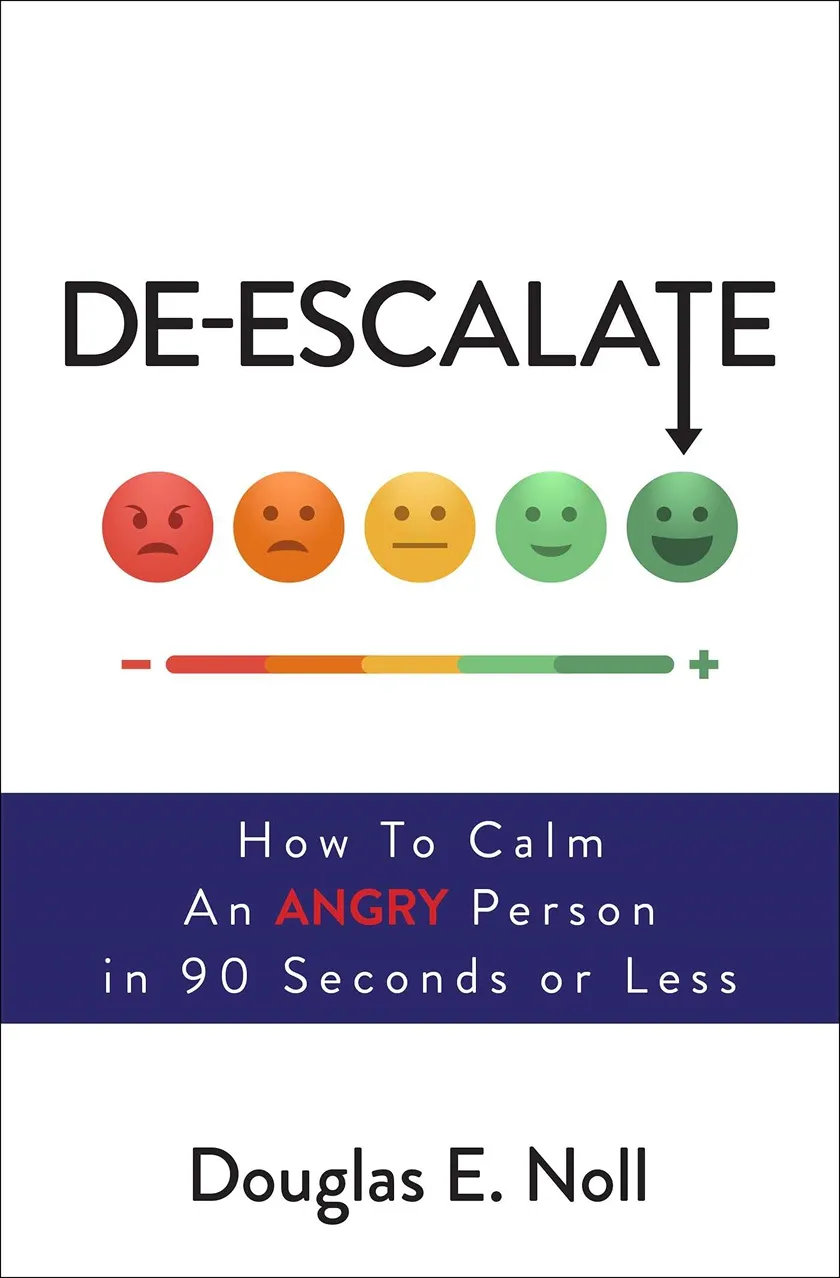
Doug has authored several books on affect labeling and emotional competency, including De-Escalate: How to Calm an Angry Person in 90 Seconds or Less, which won multiple awards and has been adopted by organizations worldwide.