Speed vs Friction: How Office Politics Kills Velocity
%201.avif)

You set an aggressive target.
Revenue up 20 percent.
Product launch in 6 months.
Cost reduction in one quarter.
The strategy is sound.
Velocity stalls anyway.
If a 12 month initiative drifts to 15 months because of internal friction, and expected annual impact is $8 million, that 3 month delay defers $2 million.
If your burn rate is $500,000 per month, that delay costs another $1.5 million.
That is $3.5 million lost to politics.
Not market conditions.
Not competitor advantage.
Friction.
The diagnosis
You believe office politics is personality driven.
You believe strong performers will push through it.
You underestimate the nervous system.
Office politics is threat management.
When status feels unstable, when influence feels challenged, when recognition feels scarce, the amygdala activates.
Cortisol rises.
The prefrontal cortex loses flexibility.
People protect position before they advance strategy.
Velocity collapses under invisible defensive behavior.
The four friction multipliers
1. The information gatekeeping pattern
Leaders withhold updates to maintain leverage.
They control access to data.
They filter narratives.
Every delay in information flow adds decision latency.
If a cross functional team waits 3 extra days for clarity on 10 major decisions in a quarter, that is 30 days of aggregate delay.
Multiply that across departments and timelines stretch quietly.
Gatekeeping feels strategic.
It is friction.
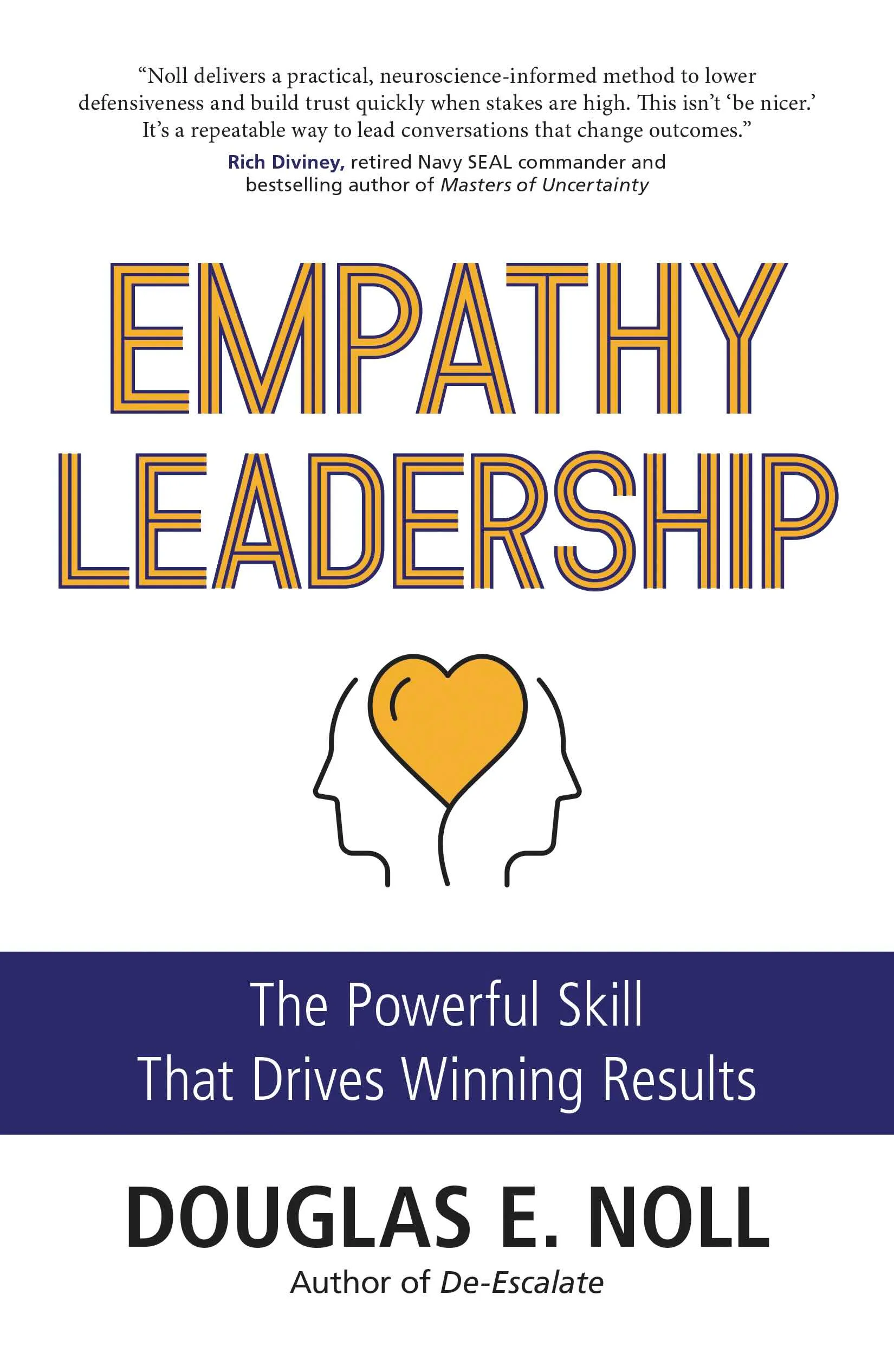
This is the neuroscience at the heart of Doug Noll's new book, Empathy Leadership: The Powerful Skill That Drives Winning Results.
2. The alliance calculus
Before committing to a decision, stakeholders evaluate political impact.
Who wins.
Who loses.
Who gets credit.
This cognitive overhead consumes bandwidth.
If senior leaders spend 5 hours per week navigating alliance considerations instead of execution, that is 250 hours annually per leader.
At $300 per hour fully loaded cost, that equals $75,000 per leader.
Multiply across a 10 person executive team and you approach three quarters of a million in political drag.
3. The public positioning loop
Meetings become stages for signaling alignment or dissent.
Language becomes guarded.
Arguments are framed to preserve reputation rather than solve problems.
When emotional threat dominates, collaboration declines.
Collaboration decline increases rework.
Rework extends timelines.
4. The silent resistance effect
A leader feels marginalized.
They do not object openly.
They slow approvals.
They ask for more data.
They defer decisions.
Each delay appears procedural.
Collectively, they create velocity decay.
Even a 15 percent reduction in decision speed across a 9 month program adds more than a month to delivery.
The neuroscience of political friction
The amygdala detects social threat instantly.
Threat includes loss of influence, reduced visibility, and perceived disrespect.
When activated:
- Cortisol increases.
- Defensive thinking dominates.
- Trust decreases.
- Risk tolerance shrinks.
The prefrontal cortex, responsible for strategic synthesis and long term planning, loses efficiency.
In threat mode, people optimize for status preservation.
Status preservation competes with execution.
Execution loses.
You cannot accelerate strategy in an activated system.
The counterintuitive protocol
You do not eliminate politics with stricter governance.
You reduce friction by regulating threat.
When tension surfaces in a leadership meeting, do not redirect to agenda.
Say:
“You are concerned about how this impacts your team.”
Pause.
To another stakeholder:
“You feel this reduces your influence.”
Pause.
If someone grows guarded:
“You seem cautious committing here.”
Pause.
Short, declarative emotion labels.
No analysis.
No defense.
Accurate labeling reduces amygdala activation. Cortisol declines. The prefrontal cortex regains flexibility.
Once threat lowers, ask:
“What outcome are we optimizing for?”
Or:
“What constraint is most critical here?”
When emotional threat drops, alignment accelerates.
If emotional regulation restores even 10 percent of lost velocity on an $8 million initiative, that is $800,000 preserved.
Politics is not inevitable.
Unregulated threat is.
Regulate the nervous system.
Velocity returns.
Emotional Competence Shapes Your Influence as a Leader
This 90-second emotional competence quiz will tell you how your emotions affect the way you are treated at work and how to gain the respect and influence you deserve as a leader.
Take the Free Assessment
Doug’s Books
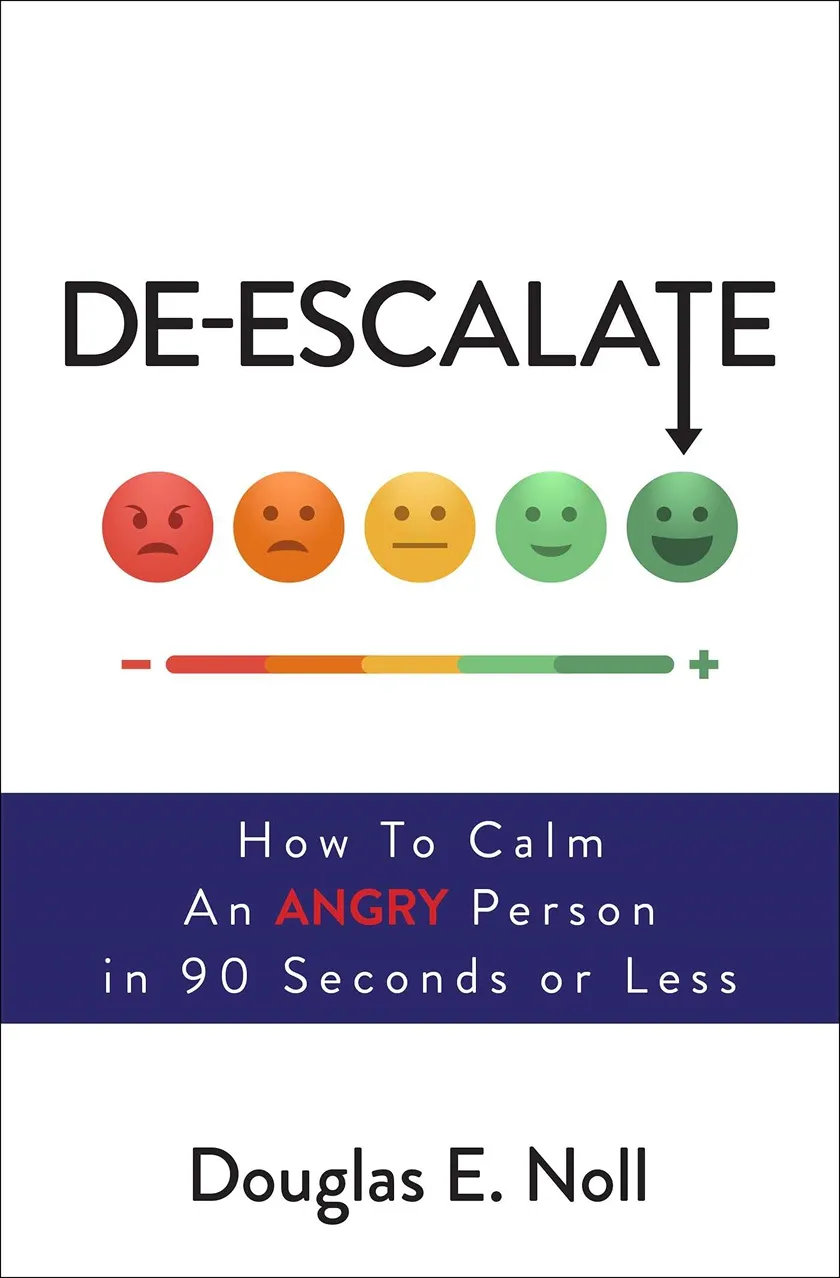
Doug has authored several books on affect labeling and emotional competency, including De-Escalate: How to Calm an Angry Person in 90 Seconds or Less, which won multiple awards and has been adopted by organizations worldwide.
More Blogs
View All