The Trust That Held Together Until One Christmas
%201.avif)

The trust structure had taken eighteen years to build.
Three generations, four jurisdictions, a protector, and a distribution mechanism that two separate law firms had described as elegant. The tax efficiency alone was worth somewhere north of eleven million dollars over the projected life of it.
It came apart over a sentence at Christmas dinner in 2023.
The sentence was: "Well, you have never had to worry about money."
It was said by the eldest son to his younger sister, in front of eleven people, in a tone that everyone present has since described differently.
She left the table. She did not attend the following year. Her lawyers filed to challenge the protector's discretion fourteen months later, and the estate planning that had taken eighteen years to build spent the next two and a half years in a process that has so far consumed roughly $2.4 million in professional fees.
What the sentence was about
Not money. It was never about money. She had, by any measure, more than she needed.
It was about 1997, when their father had funded her brother's first business and had declined to fund hers, and had given a reason at the time that both of them remember and neither of them has ever discussed.
It was about the fact that her brother had been on the family investment committee since he was thirty-one and she had been invited to join at forty-six.
It was about a pattern of roughly two hundred small moments across three decades, each individually deniable, that together had constructed a very clear position: he was the one who did things and she was the one who was provided for.
The sentence at Christmas was not the cause. It was the summary. He said out loud, in one clause, the thing that had been organising their entire relationship since they were in their twenties.
Emotional debt behaves like financial debt
It accrues quietly. It compounds. It sits off the balance sheet until an event forces recognition, and then the full amount arrives at once.
Every one of those two hundred moments was, at the time, too small to raise. That is precisely what made them accumulate. Each one individually would have sounded petty if she had named it, so she did not name any of them, so all of them stayed.
This is how emotional invalidation works in families across long timeframes. Not through a single wound but through a sustained pattern of small dismissals, none of which meet the threshold for a conversation.
By the time something crosses the threshold, thirty years of interest is attached to it.
What the estate lawyers had no way to see
They had done excellent work. The structure was sound. If you gave the same instructions to any competent firm today they would build something similar.
They had a single blind spot, which is the blind spot of the entire profession. They optimised for what the family owned and had no instrument for what the family had not said.
At no point in eighteen years did anyone ask the two siblings whether there was anything unresolved between them that might affect how they would behave toward each other after their father died.
That question takes four seconds to ask. It was never asked, in eighteen years, by any of the four firms involved.
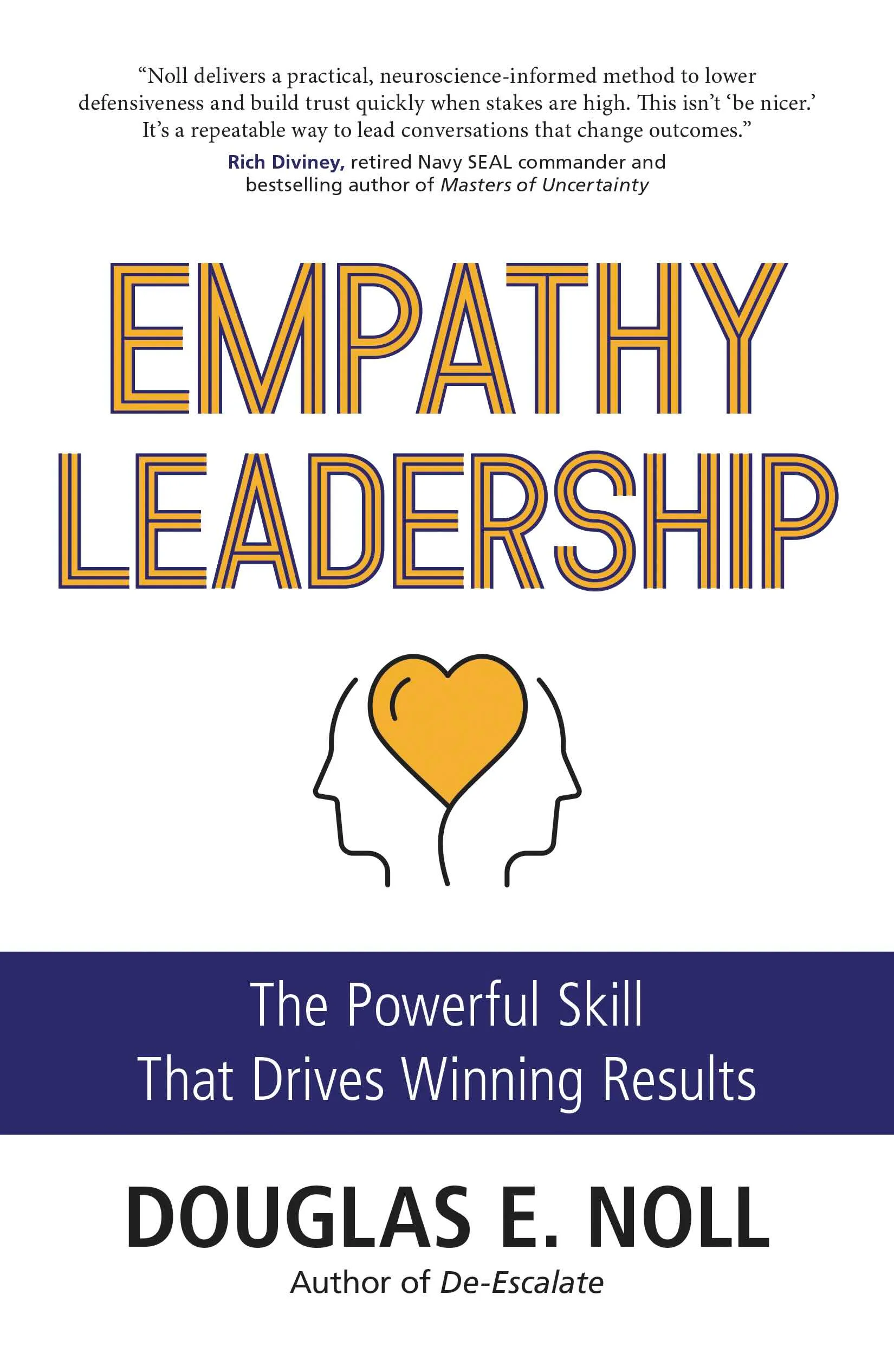
Doug Noll's new book Empathy Leadership: The Powerful Skill That Drives Winning Results covers how families identify the emotional liabilities that no structure can hold. Pre-order it on Barnes & Noble.
What would have interrupted it
Not therapy. Neither of them would have gone and it is not required.
One conversation, facilitated, at any point in three decades, in which the pattern was named rather than the incident.
The naming is the whole intervention. Not "you were unfair to me in 1997," which is arguable and produces defence. Something closer to: "There is a version of our family in which you are the one who does things and I am the one who is looked after, and I have been living inside it for thirty years."
That sentence is not arguable, because it describes her experience rather than his conduct. It cannot be refuted with facts. It can only be received.
Her brother, when he eventually heard something close to it in a mediation room in year two of the litigation, said, "I did not know you thought that."
She said, "I know."
The audit worth doing while everyone is alive
For any family with meaningful structure, one exercise is worth more than another jurisdiction review.
Ask every adult member, privately and separately: "Is there anything between you and another family member that has never been said and would affect how you behave if the structure were tested?"
Write down the answers. Do not act on them immediately. Just find out how many there are.
Most families find between four and nine. Each one is a potential challenge to an instrument that took years and millions to build.
For related reads, see Emotional Invalidation and Top Talent and The Silence Penalty.
The arithmetic
Eighteen years of structuring. Roughly $900,000 in original professional fees. Eleven million dollars of projected tax efficiency.
Undone by a sentence at dinner, which was itself the accumulated interest on thirty years of things that were each too small to mention.
If your family has instruments worth protecting and conversations nobody has had, book a no-obligation Zoom call with Doug Noll.
Emotional Competence Shapes Your Influence as a Leader
This 90-second emotional competence quiz will tell you how your emotions affect the way you are treated at work and how to gain the respect and influence you deserve as a leader.
Take the Free Assessment
Doug’s Books
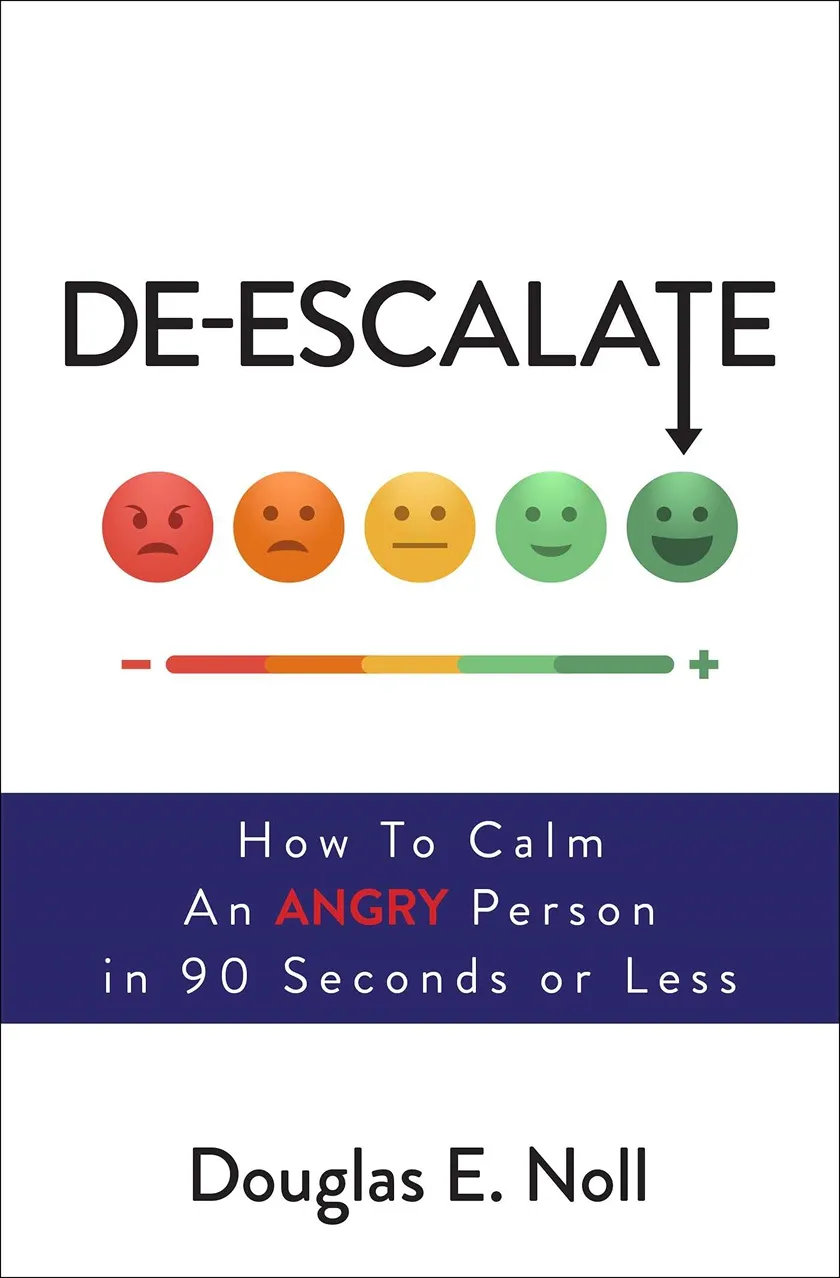
Doug has authored several books on affect labeling and emotional competency, including De-Escalate: How to Calm an Angry Person in 90 Seconds or Less, which won multiple awards and has been adopted by organizations worldwide.