The Uncle Who Sold His Shares in Silence
%201.avif)

He sold his stake over fourteen months, in six tranches, through a broker in a different city.
Eleven percent of a family holding company that had been in the family for three generations. By the time anyone noticed, the transactions were complete and the buyer was a private investment firm that specialised in exactly this kind of situation.
He was sixty-seven. He had been on the board for twenty-six years.
He had not raised a complaint. He had not sent a letter. He had not, in the two years before the sale, said a single thing in a board meeting that anyone would describe as a warning.
He had simply stopped attending the informal parts.
The signals nobody read
The family reconstructed it afterwards, the way families do, and the signals were all there and all individually unremarkable.
He stopped coming to the dinner the night before the annual meeting. He had been to twenty-four of them. He gave a reason the first time and stopped giving reasons after that.
He moved from attending board meetings in person to dialling in. Then to dialling in and leaving after the formal agenda.
He stopped forwarding articles. This one sounds trivial and is not. He had, for two decades, sent the family a stream of clippings, mostly about the industry, occasionally about nothing. It stopped in a specific quarter and nobody noticed until they went back through the emails.
He asked, in one meeting, a procedural question about transfer restrictions. It was answered. It did not come up again.
Four signals across two years, each one deniable, together forming a complete and legible sequence of withdrawal.
What he was withdrawing from
There had been a decision, four years earlier, about the future of a division he had run for eleven years and had handed over.
The division was restructured. His name came off a building. Nobody consulted him and, procedurally, nobody was required to. The decision was correct on the merits and the business performed better afterwards.
At the meeting where it was presented, he said, "That makes sense." He said it early, before anyone had asked him, which two people noticed at the time and neither mentioned.
That is where it happened. That was the whole event. It took eight seconds and produced no visible reaction.
Why the quiet ones do the most damage
A shareholder who complains is manageable. Complaint is engagement. It is an invitation, however unpleasantly phrased, to have a conversation.
A shareholder who says "that makes sense" and then stops sending clippings has already left. The remaining time is administrative.
The psychological safety literature tends to focus on whether people speak up. In family and closely held entities, the more useful question is what happens to people who conclude that speaking up is not worth the cost, because their exit options are structurally different from an employee's.
An employee resigns and you find out immediately. A shareholder disengages and you find out when the cap table changes.
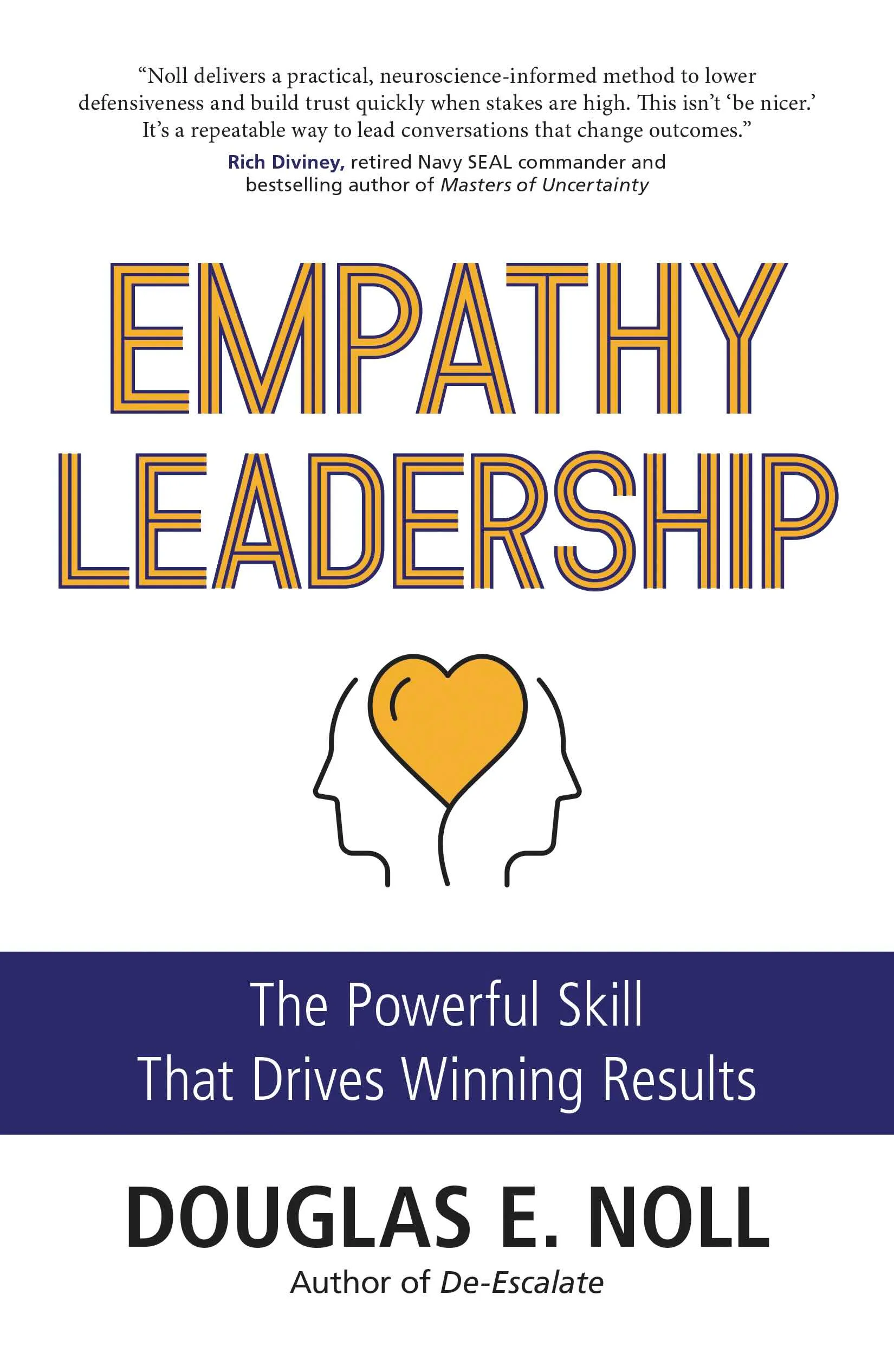
Doug Noll's new book Empathy Leadership: The Powerful Skill That Drives Winning Results covers reading withdrawal before it becomes irreversible. Pre-order it on Beyond Words.
The conversation that would have cost nothing
Someone needed to call him within a week of that meeting and say one thing.
"We restructured something you built and we did it without asking you. I want to know how that landed."
That is it. Not an apology, because the decision was right. Not a reversal. A single question that treats the eleven years as real.
He would probably have said it was fine. Most people do the first time. The value is not in the answer. It is in the fact that the question was asked, which tells the person that their eleven years registered with somebody.
The absence of that call is what he was responding to for four years.
What it cost the family
The buyer now holds eleven percent and two governance rights that were dormant in the original agreement and are no longer dormant.
The family is negotiating a buyback at a price that reflects the strategic value of the position rather than the financial value of the stake. Current indications put the gap somewhere around $14 million above where a family transfer would have cleared.
There is also a cousin, forty-one, who watched the whole thing and has drawn her own conclusions about what the family does when someone's contribution stops being convenient.
For related reads, see Emotional Invalidation and Top Talent and Building Trust to Stop Talent Bleed.
The audit
List everyone with a stake or a seat. For each one, write down the last time they raised something difficult.
Anyone whose answer is "more than eighteen months ago" is either fully content or has left without telling you.
You cannot tell which from the outside. You have to ask, and the asking has to be specific enough that "fine" is not an available answer.
If someone with a stake in your business has gone quiet and you are reading it as contentment, book a no-obligation Zoom call with Doug Noll.
Emotional Competence Shapes Your Influence as a Leader
This 90-second emotional competence quiz will tell you how your emotions affect the way you are treated at work and how to gain the respect and influence you deserve as a leader.
Take the Free Assessment
Doug’s Books
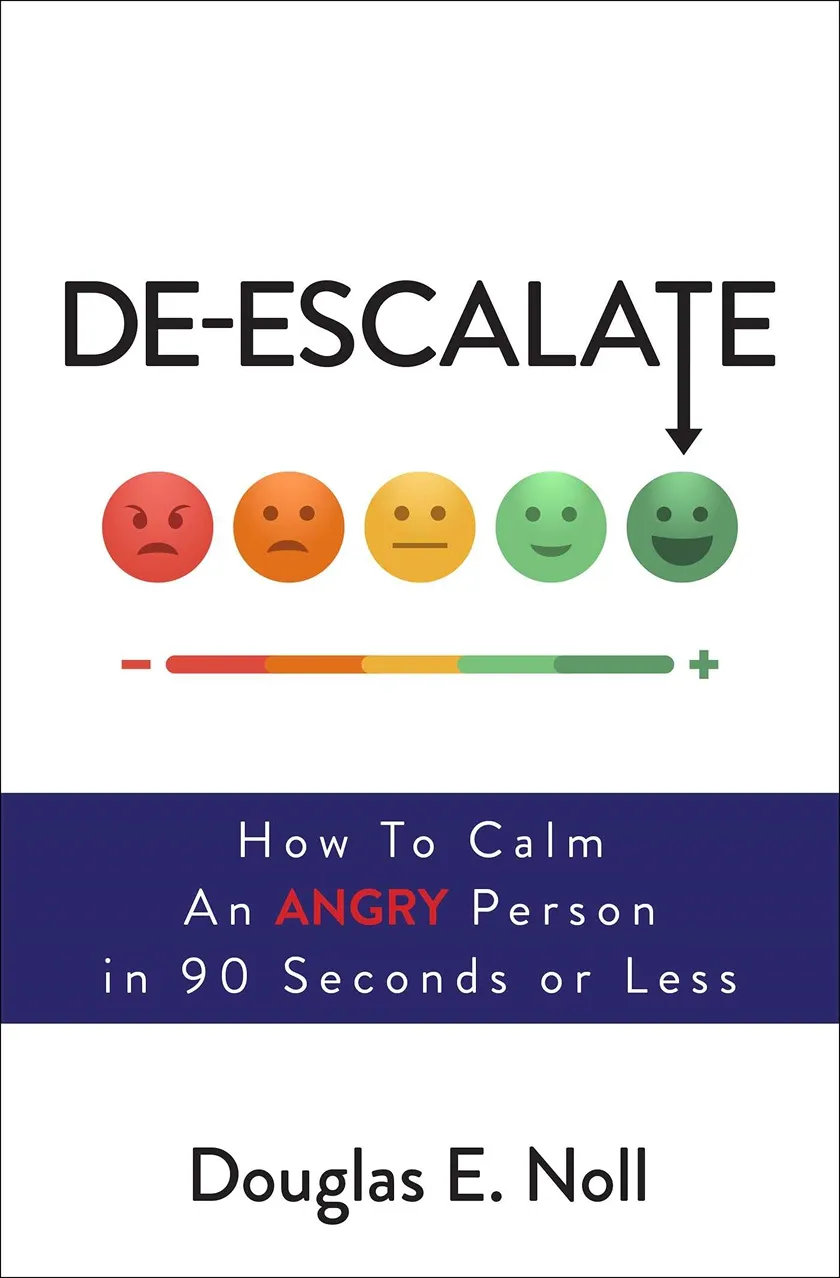
Doug has authored several books on affect labeling and emotional competency, including De-Escalate: How to Calm an Angry Person in 90 Seconds or Less, which won multiple awards and has been adopted by organizations worldwide.