The Value Creation Plan That Actually Worked
%201.avif)

The write-up ran to two pages and the fund's investment committee asked for it to be expanded.
It could not be expanded, because the thing that had produced a 4.1x return was not a strategy. It was a forty-minute meeting that happened every second Wednesday for three years.
The meeting
Seven people. The CEO and six direct reports. No agenda, no pre-read, no deck, no decisions permitted.
Each person had five minutes to answer one question, in turn, with no interruption and no response from anyone else until all seven had spoken.
The question was: "What is the thing you are most worried about right now?"
That was the entire format. The operating partner who introduced it had used it at two previous companies and describes it as the only intervention he has ever found that reliably works.
Why the rules matter more than the question
No decisions. The moment a worry can produce an action item, people stop raising worries that do not have solutions attached, which is most of the important ones. The prohibition on deciding is what makes it safe to say something you cannot fix.
No response until everyone has spoken. Without this rule the first worry gets discussed and the meeting becomes a problem-solving session, which is a different meeting that they already had four of. The enforced silence also means the sixth person hears five others admit to something before they speak, which lowers the cost of their own admission substantially.
In turn, not volunteered. Volunteering means the people who most need to speak do not. Going in order removes the decision about whether to participate.
The CEO goes fourth, never first. Going first sets a ceiling on candour, because nobody will admit to a bigger worry than the CEO just did. Going fourth means three people have set the level before he speaks, and he can then go slightly further than they did, which raises the ceiling for the last three.
That fourth rule is the one the operating partner says most people get wrong when they copy the format.
What it produced
Over three years, the meeting surfaced three things that materially changed the outcome.
In month five, the head of engineering said he was worried that the platform migration was going to take eleven months rather than six and that he had known for three weeks and had not said so. The eleven-month number turned out to be right. Knowing it in month five rather than month nine meant the commercial team did not sell against a delivery date that could not be met, which preserved two enterprise relationships.
In month nineteen, the CFO said she was worried about a customer concentration figure that everyone had been describing as improving and that was, on her read of the contract terms, not improving. She was right. The remediation took fourteen months and was complete before the exit process began, which is worth roughly a full turn of multiple.
In month thirty-one, the head of people said she was worried that the CEO had become harder to disagree with over the previous two quarters. She said it to his face, in the meeting, in front of five peers.
He took it badly for about a week and then took it seriously. Two of his directs have since said that this was the point at which they decided to stay.
Why the format survives contact with reality and offsites do not
An offsite produces a temporary state. People are out of their environment, the facilitation is good, things get said, and everyone returns on Monday to the same room with the same dynamics that produced the problem.
A recurring forty-minute meeting produces a norm. By month four it is simply what happens on a Wednesday, and by month twelve the psychological safety it creates has generalised outward into the meetings that do make decisions.
The operating partner's view is that culture in a leadership team is not built by an event. It is built by a repeated structure that makes a specific behaviour normal, and forty minutes every fortnight is the smallest structure he has found that works.
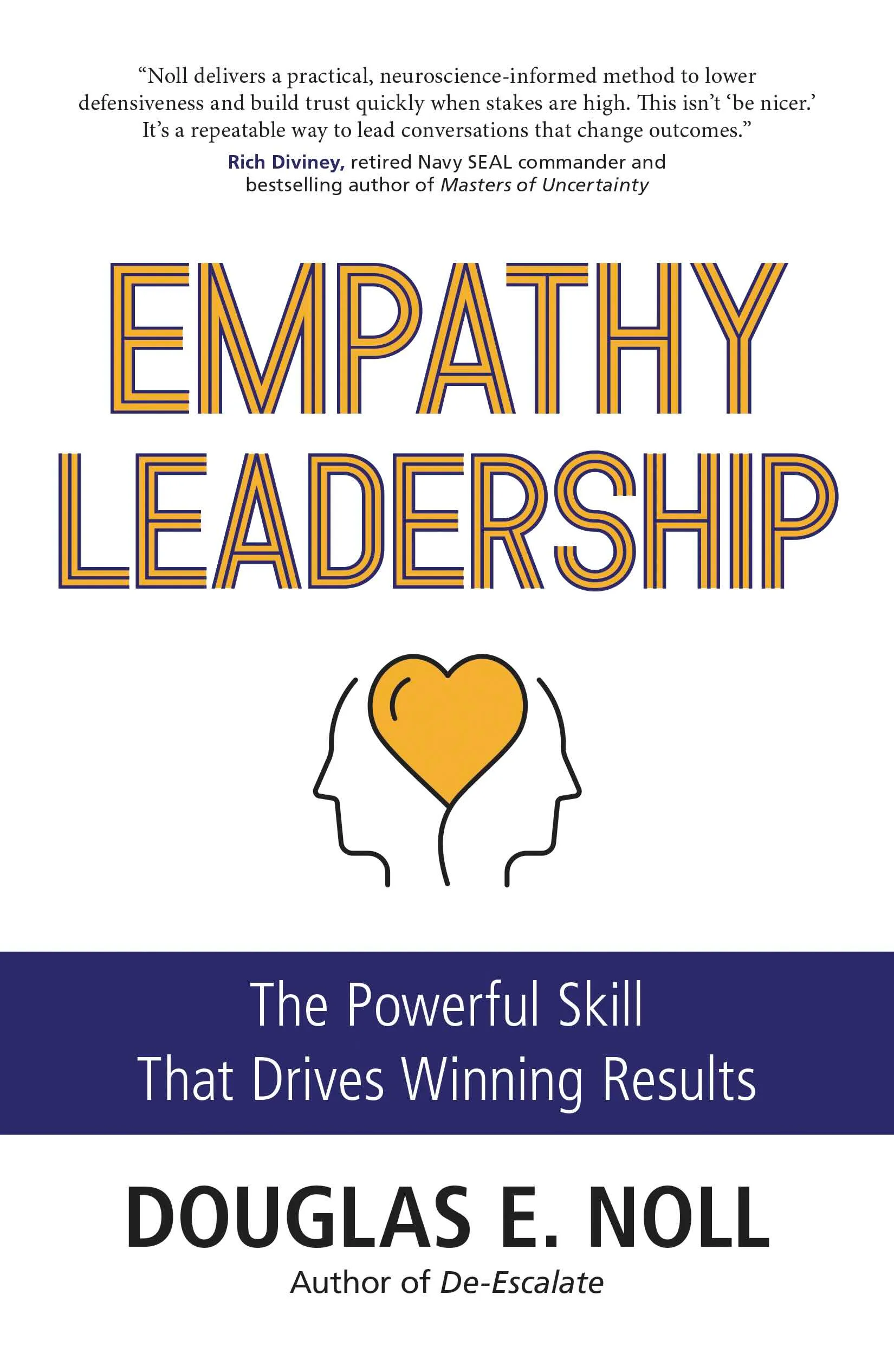
Doug Noll's new book Empathy Leadership: The Powerful Skill That Drives Winning Results covers the mechanics of making candour routine rather than exceptional. Pre-order it on Bookshop.
The three ways it fails
He has watched it fail more often than it works, and the failure modes are consistent.
The CEO answers first. Ceiling gets set low, everyone stays under it, the meeting becomes a status update with a different name.
Somebody responds to a worry in the moment. Usually with reassurance, which is the most damaging response available, because it tells the room that worries will be managed rather than heard.
It gets an agenda. Within two months of anyone adding structure, it becomes a normal meeting and stops producing anything.
The value creation argument
The fund's committee wanted a playbook. There is not one, and the four pages he wrote say so directly.
What there is: a forty-minute recurring meeting, four rules, and an operating partner willing to sit through eight weeks of it producing nothing while people work out whether it is real.
That eighth week is where most of them quit.
For related reads, see Leadership Systems for People Problems and Meeting Facilitation Without Force.
If you want to build the mechanism rather than run another offsite, book a no-obligation Zoom call with Doug Noll.
Emotional Competence Shapes Your Influence as a Leader
This 90-second emotional competence quiz will tell you how your emotions affect the way you are treated at work and how to gain the respect and influence you deserve as a leader.
Take the Free Assessment
Doug’s Books
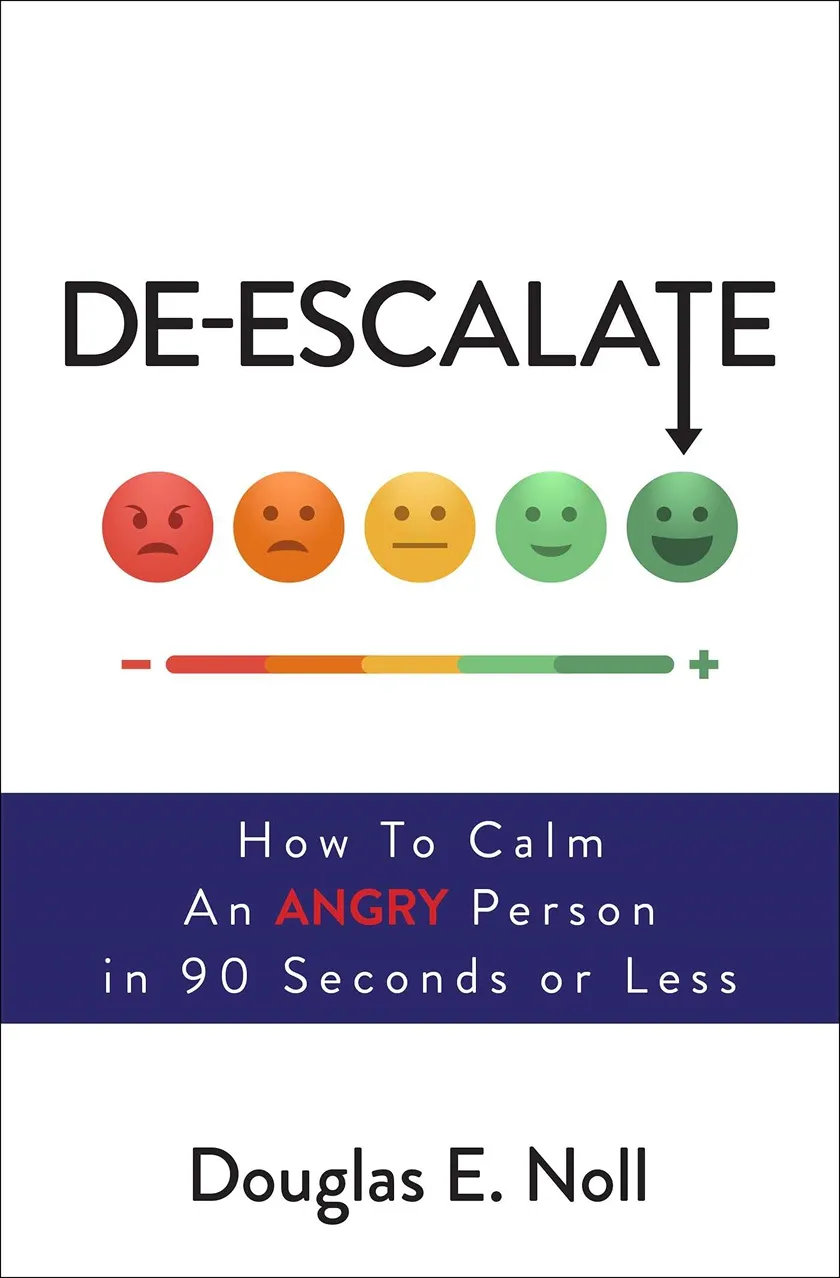
Doug has authored several books on affect labeling and emotional competency, including De-Escalate: How to Calm an Angry Person in 90 Seconds or Less, which won multiple awards and has been adopted by organizations worldwide.
More Blogs
View All