The Vote That Should Have Been Unanimous. It Wasn't.
%201.avif)

The resolution was procedural.
Adoption of a revised delegation of authority matrix, prepared by the general counsel, reviewed by two committees, circulated three weeks in advance. It moved four approval thresholds and reorganised a schedule. Nobody's authority materially changed.
It should have been eight to nothing in under two minutes.
The vote was seven to one.
The nay
She was the newest director, fourteen months in, appointed from an operating background rather than the professional-director track that four of the others came from.
The chair, who was surprised, did the correct thing and asked her to explain.
She said, "The matrix is fine. I am voting against it because this is the third document in a year that has come to us fully formed from management with a recommendation to adopt, and I do not think we are governing these, I think we are ratifying them. I do not have a problem with this matrix. I have a problem with how it arrived."
Then she said one more thing, which is the sentence that made the difference. "I may be wrong about this and I would like to be told if I am."
What it did to the room
Nothing, for about four seconds.
Then the audit chair said, "She is right."
Then the longest-serving director said he had thought something similar about the risk appetite statement in March and had not raised it because the document itself had been fine.
Two more directors made versions of the same point in the following ten minutes.
Seven people had voted yes on a document that four of them had reservations about, and the reservations were identical, and none of them concerned the document.
Why the reservation had stayed private
Because the object of the concern was not on the agenda.
You cannot vote against a governance process. You can only vote on the matrix. And voting against a perfectly good matrix in order to make a point about process looks, from the inside, like being difficult about something procedural, which is the reputation nobody on a board wants.
So the concern had nowhere to go. Four people had independently concluded that the sensible thing was to approve the document and hold the concern, and four people had therefore each believed they were the only one.
This is groupthink with an unusual signature. Not conformity to a stated position but conformity to an absence. Each director read three silences as evidence that their own reservation was idiosyncratic.
The two things she did that made it work
The first was that she voted rather than commented.
A comment can be absorbed. "I wonder whether we are being given enough of these at draft stage" is a remark, and remarks in board meetings get acknowledged and then the agenda continues. A vote cannot be absorbed. It has to be recorded, which means it has to be explained, which means the room has to engage with it.
The second was the last sentence. "I may be wrong about this and I would like to be told if I am."
That does two things at once. It removes the accusation, which means nobody has to defend against it. And it explicitly requests the room's judgment, which converts her position from a stand into a question the room now owns.
Without that sentence she is a new director making a point about process. With it she is a director asking for help with a concern.
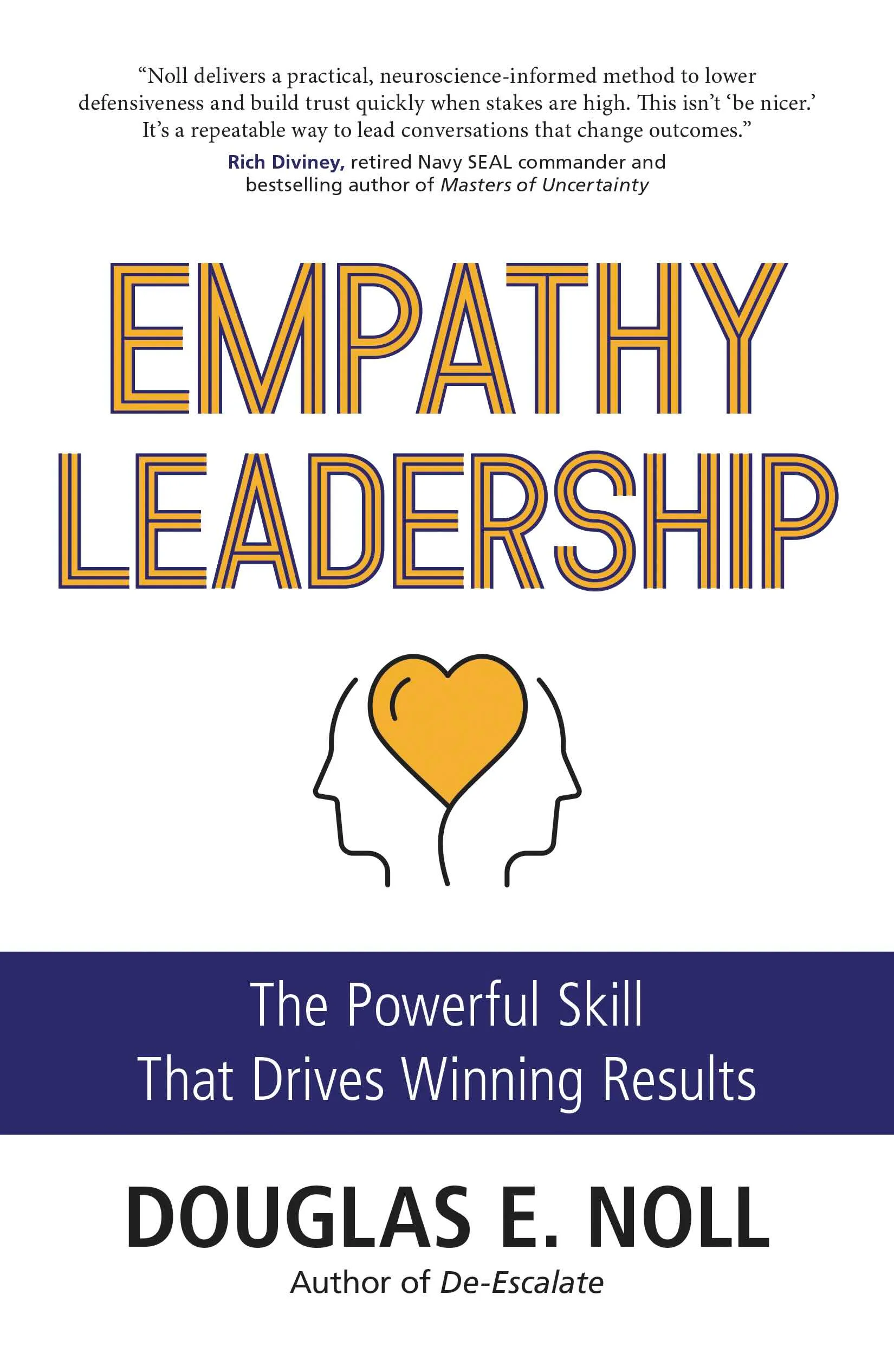
Doug Noll's new book Empathy Leadership: The Powerful Skill That Drives Winning Results covers raising the thing that is not on the agenda in a way the room can receive. Pre-order it on Barnes & Noble.
What changed
The matrix was adopted at the following meeting, unchanged.
What changed was that management now brings material governance documents to the board at draft stage with an explicit request for input, and the board sees two versions of anything significant.
The general counsel, who had not been doing anything wrong and had built the previous process in good faith, said afterwards that she had assumed the board wanted finished work.
Everybody had been optimising for what they assumed the other party wanted, and nobody had checked.
The value of the single nay
The company will never be able to attribute a number to it. There is no counterfactual.
What is observable is that in the two years since, the board has materially changed three documents at draft stage, one of which involved an authority threshold that the audit chair believes would have caused a problem.
One vote, on a procedural item, from the newest person in the room.
For related reads, see Honest Leadership and Validation vs Agreement.
If you sit on a board where the votes are clean and something feels off, book a no-obligation Zoom call with Doug Noll.
Emotional Competence Shapes Your Influence as a Leader
This 90-second emotional competence quiz will tell you how your emotions affect the way you are treated at work and how to gain the respect and influence you deserve as a leader.
Take the Free Assessment
Doug’s Books
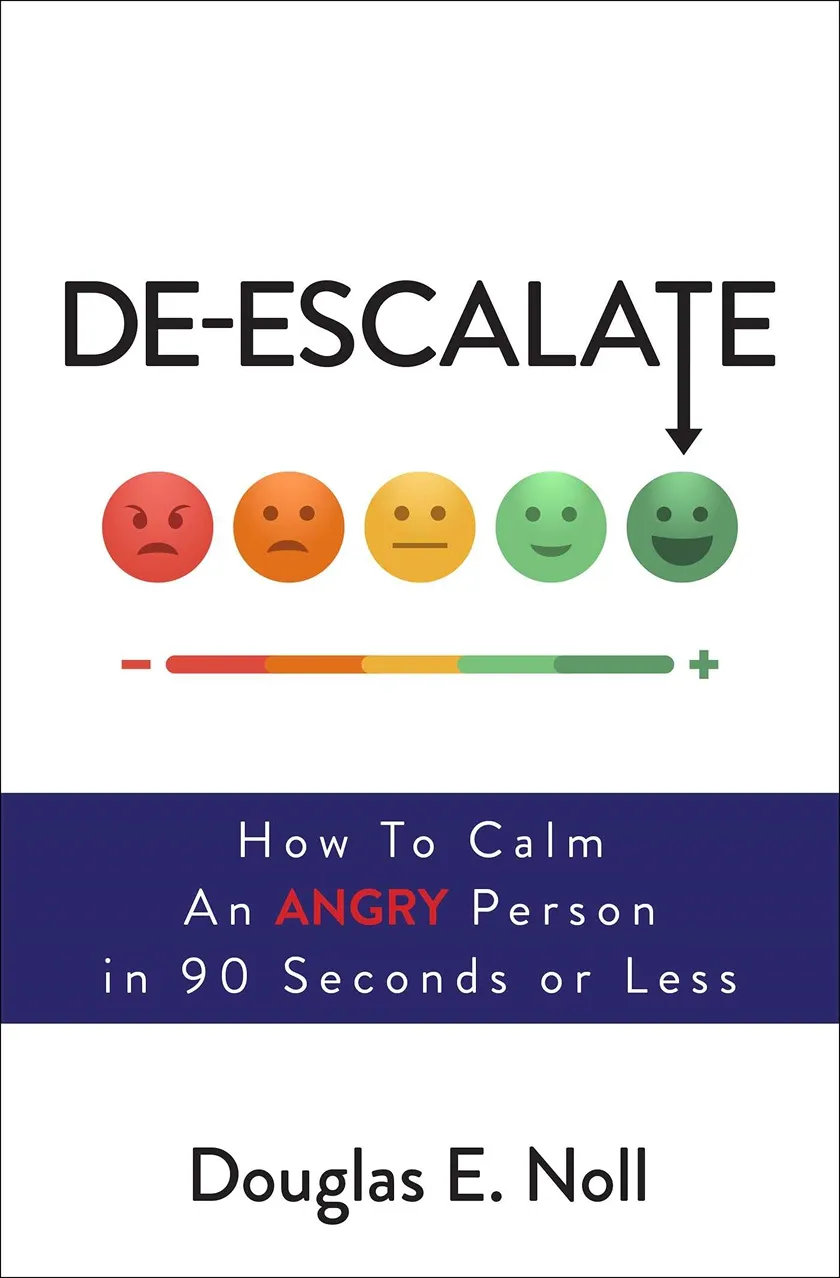
Doug has authored several books on affect labeling and emotional competency, including De-Escalate: How to Calm an Angry Person in 90 Seconds or Less, which won multiple awards and has been adopted by organizations worldwide.



More Blogs
View All

October 23, 2026
6 Powerful Reasons De-Escalation Training for Employees Doesn't Scale (and the Fix)
Read Blog

October 23, 2026
How Executive Dispute Mediation Actually Resolves a Board-Level Rupture
Read Blog

October 22, 2026
4 Critical Failures of Most Corporate Mediation (and the Approach That Works)
Read Blog