Why the Compensation Study Made the Attrition Worse
%201.avif)

The CFO commissioned the compensation study after attrition crossed eighteen percent for the year, well above the industry benchmark he was used to citing proudly in board decks. The logic seemed sound. If pay was the problem, a market study would find the gaps, and the gaps could be closed.
The study came back thorough and expensive. A handful of roles were meaningfully under market. Most were within a normal band. The company adjusted the underpaid roles immediately, a good-faith and reasonably fast response.
Attrition rose the following two quarters instead of falling. The CFO was baffled. He had done exactly what the standard playbook recommended.
What the study had actually told employees
Running a compensation study and sharing individual results, even quietly, sends every employee a piece of information they did not previously have: an explicit, numeric comparison of their own worth against the market, delivered by the company itself. For employees who learned they were paid fairly or above market, this was mildly reassuring and changed little. For employees who learned they were paid at or near market but still felt undervalued for reasons that had nothing to do with pay, the study handed them a clean, legible justification for a decision they were already emotionally circling.
The real driver of dissatisfaction on several of the highest-attrition teams was not compensation at all. It was a pattern of managers dismissing ideas in team meetings and rarely acknowledging individual contribution, the same pattern that shows up across most of the cases like it. Pay had never been the actual grievance. It had been the only grievance the company had bothered to formally measure, so it was the only one the study could find and the only one the fix addressed.
How much is one unresolved conflict really costing your company?
Why the raise did not fix the actual problem
An employee who resigns over feeling unheard does not stop feeling unheard because their salary moves closer to a market number. The unheard signal lives in the amygdala, not the pay band. If anything, a raise handed out in response to a study, without any accompanying change in how the employee's day-to-day experience feels, can read as confirmation that the company measures value in the one dimension it finds easiest to quantify, and has no mechanism for addressing the dimension that actually matters to the employee.
Several employees who left after the adjustment specifically mentioned, in exit interviews, that the raise had not changed anything about the meetings they dreaded or the manager who talked over them. The company had spent real money solving a problem that was not the one driving the resignations, and the spending itself had inadvertently confirmed to employees that the real issue was not going to be addressed.
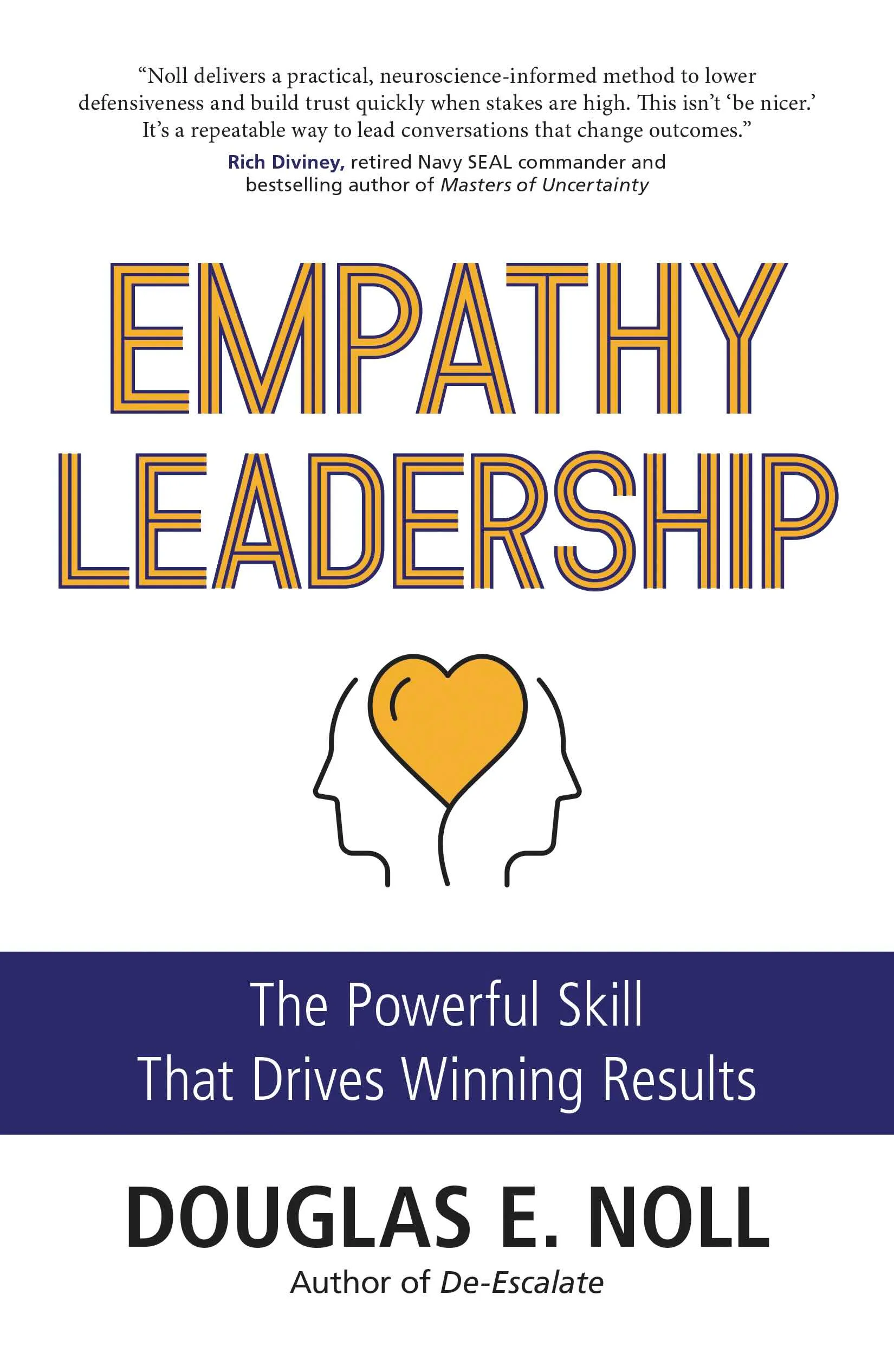
Doug Noll's new book Empathy Leadership: The Powerful Skill That Drives Winning Results lays out why a raise cannot fix a grievance that was never about the money in the first place. See it here.
What the CFO measured the second time
He commissioned a second, much smaller study, this time asking the highest-attrition teams a direct, specific question in a confidential setting: what is the one thing about your day-to-day work you would change if you could change only one thing. Compensation appeared in under ten percent of the answers. Feeling unheard by a direct manager appeared in nearly half.
The company's next investment went into manager coaching on exactly that behavior, not another compensation adjustment. Attrition on the affected teams dropped within two quarters, well before the effects of any pay change could plausibly have been the cause.
Emotional Competence Shapes Your Influence as a Leader
This 90-second emotional competence quiz will tell you how your emotions affect the way you are treated at work and how to gain the respect and influence you deserve as a leader.
Take the Free Assessment
Doug’s Books
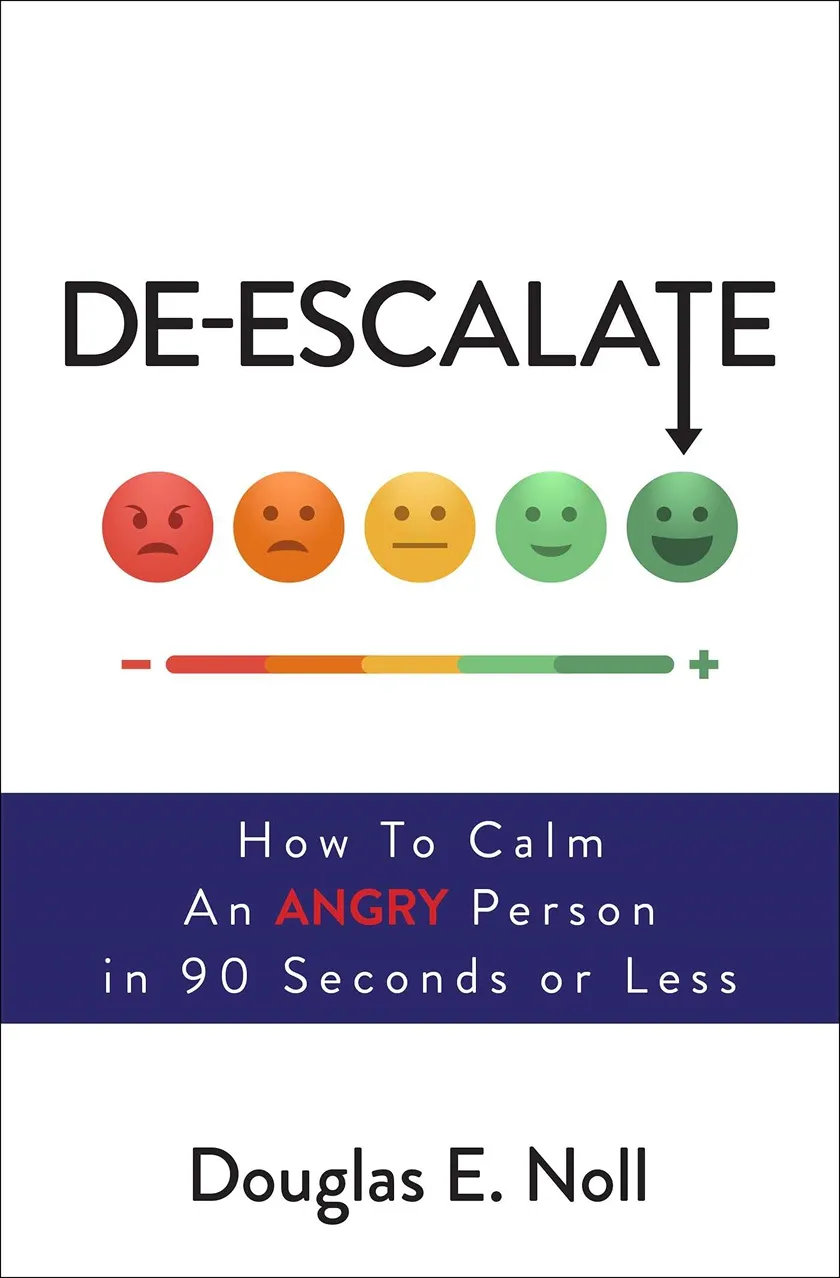
Doug has authored several books on affect labeling and emotional competency, including De-Escalate: How to Calm an Angry Person in 90 Seconds or Less, which won multiple awards and has been adopted by organizations worldwide.