Why She Passed on the Perfect Deal
%201.avif)

She passed on it in the final partner meeting, and three of her four colleagues thought she was wrong.
The business was a specialty distributor doing $140 million of revenue and $22 million of EBITDA, growing at 14 percent in a market growing at 4. The thesis was clean. The founder owned 78 percent and wanted to take chips off the table while staying in the seat. The price was reasonable.
Every workstream had cleared. Quality of earnings was clean. Customer concentration was moderate and diversifying. Two of the three add-on targets they had modelled were already in informal conversation.
She said no on the basis of forty seconds in a management meeting.
The forty seconds
In the second management presentation, the founder's CFO had been walking through the working capital cycle and had made a small error in a number. It was a rounding-level error and it did not matter.
The founder corrected him. It took maybe four seconds and the words were not harsh.
What she noticed was the CFO's face, and what happened for the rest of the presentation. He became noticeably more careful. He deferred twice to the founder on questions he was fully qualified to answer. At one point he began an answer, glanced at the founder, and revised it mid-sentence.
She had seen a man who had been corrected once in front of strangers and had recalibrated his entire behaviour for the following ninety minutes.
Her question was not whether the founder was unpleasant. He was not. He was warm, funny, and generous with his team for the rest of the day.
Her question was what a room does when the founder is in it, and the answer she had just watched was: it gets smaller.
What she said in the partner meeting
She was specific, which is why it eventually carried.
"We are underwriting 14 percent growth in a business where the CFO revises his answers in front of the owner. That means the number we are being shown is the number the founder believes. In three years when something breaks, we will find out about it late, and our whole model assumes we find out on time."
One partner pointed out that the founder was staying and that this was, if anything, an argument for his engagement.
She said, "He is staying and he owns the information environment. Those are the same fact."
What happened
They passed. Another firm bought it at roughly the price they had modelled.
Twenty-two months later the business restated its revenue recognition on a category of contracts representing about 18 percent of revenue. The restatement was not fraud. It was an aggressive interpretation that had been in place for four years and that two people in the finance function had privately questioned.
Neither had raised it. In the subsequent review, one of them said he had raised it once in 2019 and had been told it had been reviewed.
The sponsor took a substantial write-down. The founder left eight months later.
The instrument she uses
She does not have a framework. She has one question she asks herself in every management meeting, and she has asked it for nineteen years.
"If this company had a serious problem, how long would it take to reach me?"
Everything else in diligence tells you what the business is. That question tells you what happens next, and it is the only variable that determines whether you can act on any of the rest of it.
She looks for three things.
Whether anyone in the room contradicts the founder, on anything, at any point.
Whether the second-tier executives answer questions in their own domain without checking upward.
What the founder does the one time somebody gets something wrong.
The third one is the highest signal and it takes seconds. She says most founders reveal it once per meeting without knowing it.
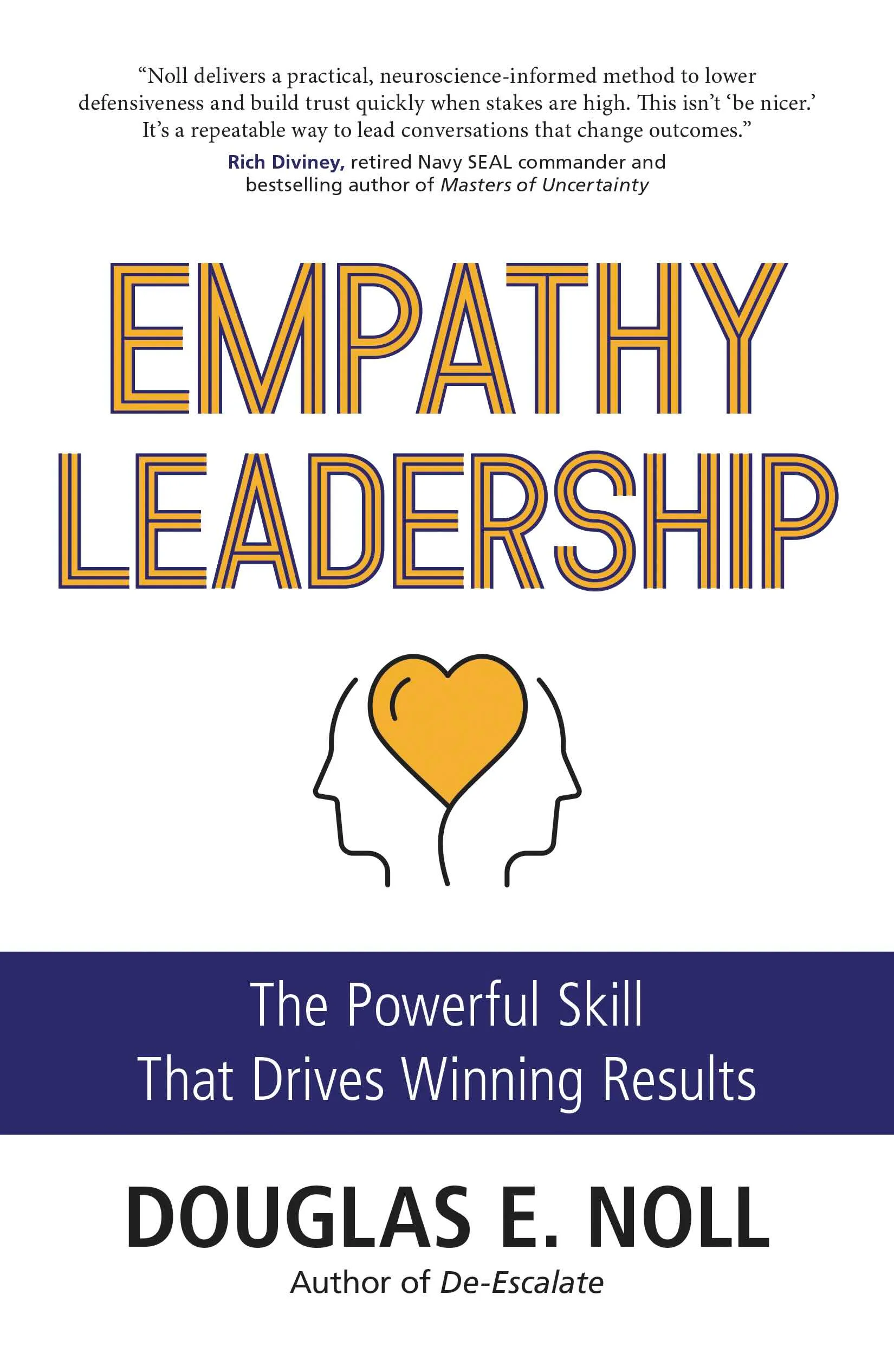
Doug Noll's new book Empathy Leadership: The Powerful Skill That Drives Winning Results covers reading an organisation's information environment from the behaviour in a single room. Pre-order it on Books-A-Million.
The uncomfortable part of the story
She has passed on eleven deals on this basis in nineteen years.
Four of them went on to perform well for whoever bought them. She is candid about this and does not claim the instrument is precise.
Her argument is not that the signal is deterministic. It is that in private equity, where the hold is fixed and the structure is leveraged, the asymmetry favours passing. A deal you miss costs you an opportunity. A deal where you find out late costs you the fund's year.
What to take from it
The emotional intelligence read is not about whether people are nice. Nice tells you nothing.
It is about whether the organisation can carry uncomfortable information upward, and you can observe that directly, in a room, in the moment somebody makes a small mistake in front of the person who owns the company.
For related reads, see The Conflict Model Operating System and Executive Function Beyond Reaction.
If you are in diligence and something about the management dynamic is bothering you without resolving into a finding, book a no-obligation Zoom call with Doug Noll.
Emotional Competence Shapes Your Influence as a Leader
This 90-second emotional competence quiz will tell you how your emotions affect the way you are treated at work and how to gain the respect and influence you deserve as a leader.
Take the Free Assessment
Doug’s Books
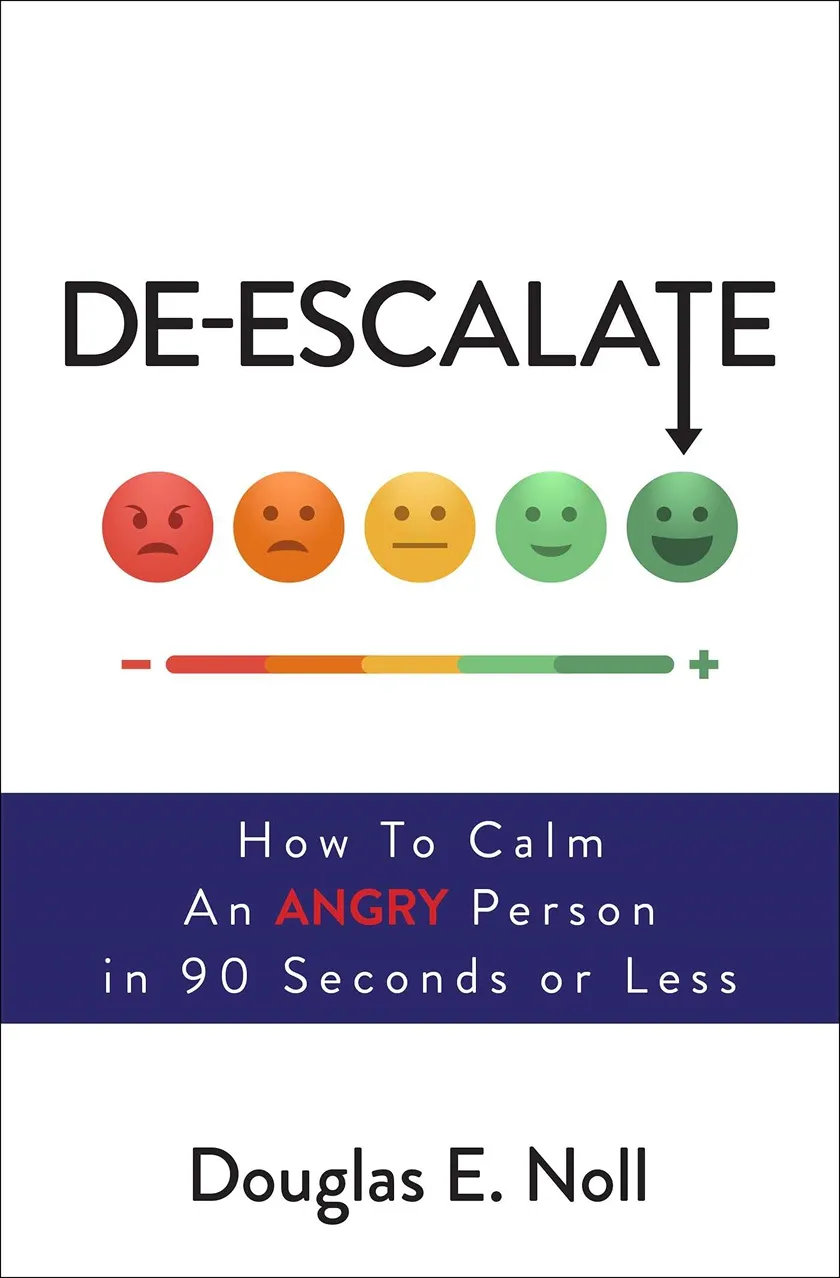
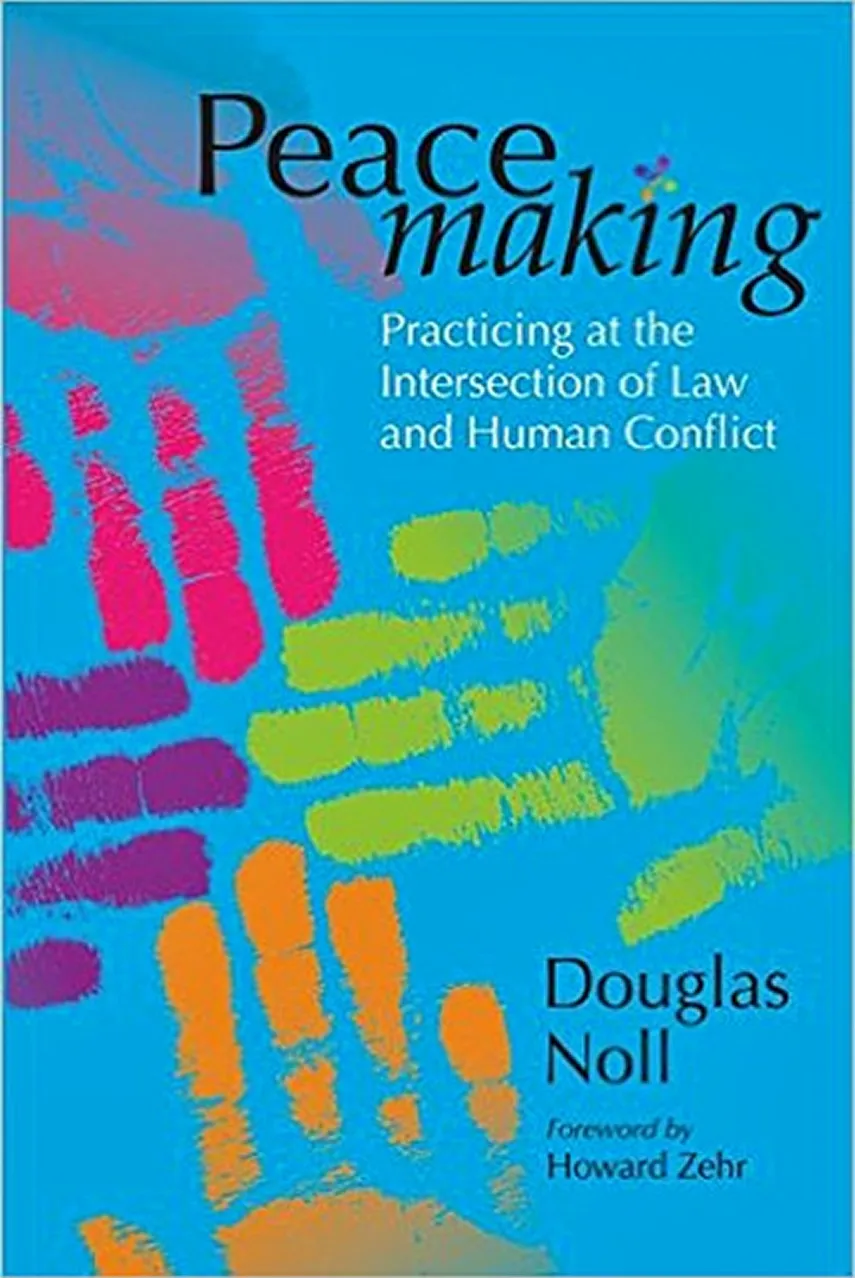
Doug has authored several books on affect labeling and emotional competency, including De-Escalate: How to Calm an Angry Person in 90 Seconds or Less, which won multiple awards and has been adopted by organizations worldwide.
More Blogs
View All

October 23, 2026
6 Powerful Reasons De-Escalation Training for Employees Doesn't Scale (and the Fix)
Read Blog

October 23, 2026
How Executive Dispute Mediation Actually Resolves a Board-Level Rupture
Read Blog

October 22, 2026
4 Critical Failures of Most Corporate Mediation (and the Approach That Works)
Read Blog