Why the Lawyers Killed the Deal Neither Side Wanted to Die
%201.avif)

Both principals wanted the deal.
The buyer's CEO had flown out twice. The seller had turned down a higher indicative offer from a financial buyer because he wanted the business to go somewhere it would continue. They had spent an evening together in February and both had described it, separately, as the moment they decided.
The deal died in June over an indemnity cap and a definition of material adverse change.
Neither principal could tell you, afterwards, why those two items had been worth losing it over. Both said some version of "it got away from us."
What the lawyers were doing
Their jobs, correctly, on both sides.
The buyer's counsel had a client with a board and a duty to protect it against a category of risk that had cost them badly on a previous acquisition. Her position on the indemnity cap was defensible and she had precedent from three comparable transactions.
The seller's counsel had a client whose entire net worth was in this business and who would have no meaningful ability to fund a large indemnity claim two years post-close. His position was equally defensible.
Both of them were being paid to identify what could go wrong and to allocate it away from their own client. That is the mandate. It is not a criticism of either of them.
The problem is what the mandate produces when it runs without a counterweight.
The escalation mechanism
It happened over eleven weeks and it followed a shape that anyone who has done this will recognise.
Markup one is reasonable. Markup two responds to markup one and is slightly firmer, because responding softly to a firm position is a strategic error in a negotiation. Markup three is firmer still.
By markup five, each side's language has hardened into positions that neither principal has read closely and both would find surprising if they did.
Then a call happens between the two counsel, which is professional and adversarial in the ordinary way, and each of them reports back to their client with an accurate summary that includes a characterisation of the other side.
"They are being unreasonable on the cap" arrives in the principal's ear from a person they trust, who has read all the documents, and who they are paying to protect them.
That is the mechanism. Neither principal ever formed a negative view of the other. They both formed a negative view through a trusted intermediary whose job it was to find the risk.
Why the principals could not stop it
Because by the time it was visible, intervening would have meant overruling their own counsel on a technical matter in favour of a counterparty.
The seller told his counsel in May that he thought they were making too much of the MAC definition. His counsel explained, correctly, what the definition could do in a downside scenario. The seller was not equipped to argue with it and did not.
The buyer's CEO had a similar exchange with his own counsel and reached the same place.
Both principals deferred to expertise on a matter where expertise was genuinely relevant, which is what you are supposed to do, and the deal died.
The intervention that works
It is structural and it has to be installed at the start, because by week eight nobody can introduce it without it looking like a manoeuvre.
A standing principals-only call, every two weeks, with no advisors. Thirty minutes. The agenda is one question: "Is anything happening in the drafting that you would not have expected from our conversation in February?"
That question is the whole thing. It gives both principals a low-cost channel to notice drift, and it does so without either of them having to challenge their own counsel.
An explicit instruction to both counsel at the outset. "If you reach a point where you think this deal may not close, tell us both before you send the markup that reflects that." Lawyers will honour this. Almost nobody asks for it.
A named item on every markup: what got worse since the last one. One paragraph, in plain language, from each side's counsel to their own principal. Not the legal reasoning. Just the direction of travel.
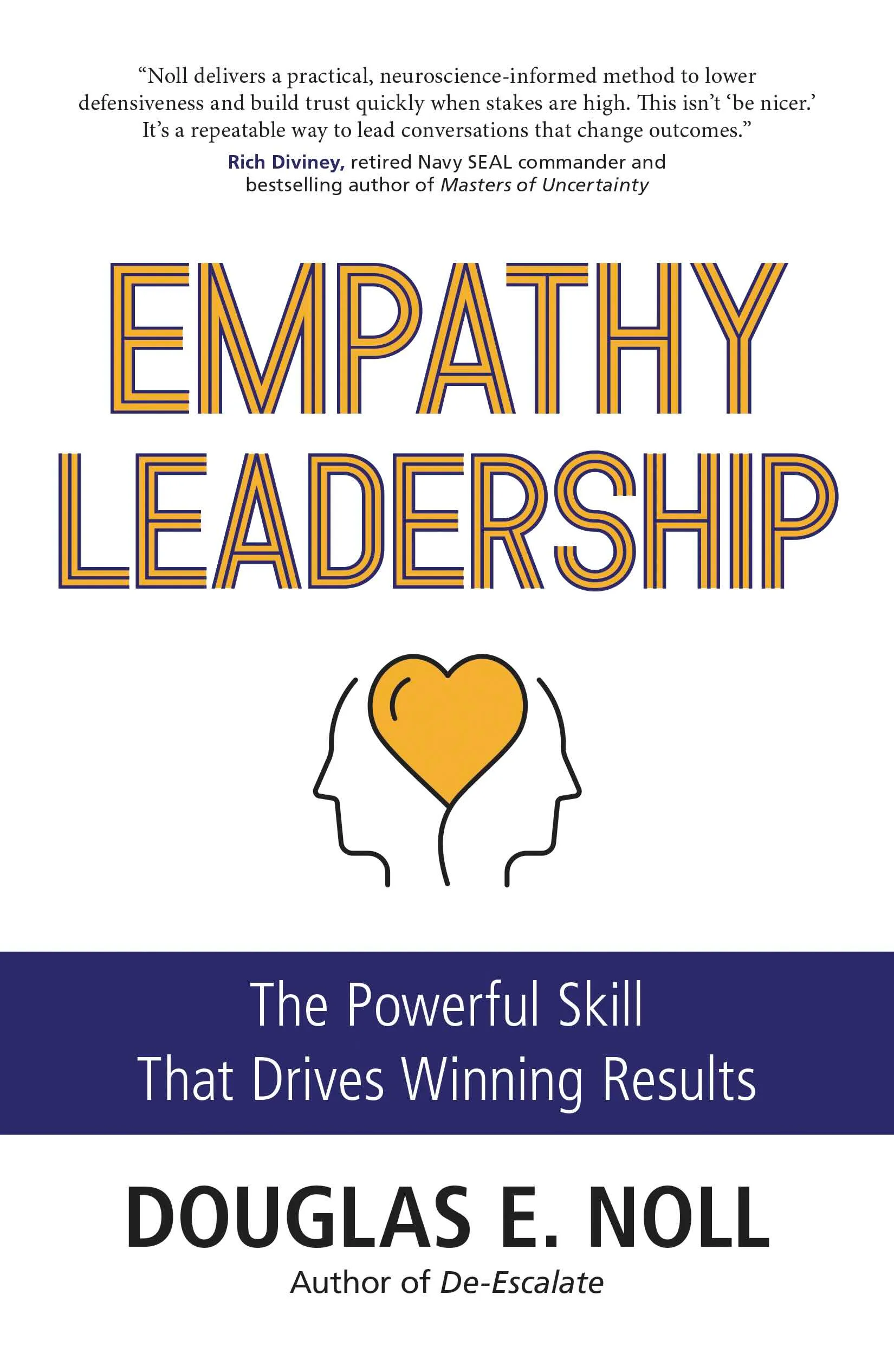
Doug Noll's new book Empathy Leadership: The Powerful Skill That Drives Winning Results covers keeping the human channel open when the process is designed to close it. Pre-order it on Simon & Schuster.
What mediation practitioners know about this
The pattern is well understood in dispute resolution and less well understood in transactions, which is odd because the mechanism is identical.
Two parties who want the same outcome delegate to representatives whose professional obligation is to protect against downside. The representatives, doing their jobs correctly, produce an adversarial dynamic. The adversarial dynamic gets reported back through a channel of trust. The principals' view of each other degrades without either of them having a direct experience that would justify it.
The counterweight is always the same. Preserve a direct channel between the principals that the process cannot capture.
The postscript
They tried again fourteen months later with different counsel on the buy side.
It closed in six weeks, on an indemnity cap two percent away from where the first process had stalled.
For related reads, see Naming the Elephant Without Fear and Negotiation Tactics That Win Without Fighting.
If you have a deal that both sides want and the process is pulling it apart, book a no-obligation Zoom call with Doug Noll.
Emotional Competence Shapes Your Influence as a Leader
This 90-second emotional competence quiz will tell you how your emotions affect the way you are treated at work and how to gain the respect and influence you deserve as a leader.
Take the Free Assessment
Doug’s Books
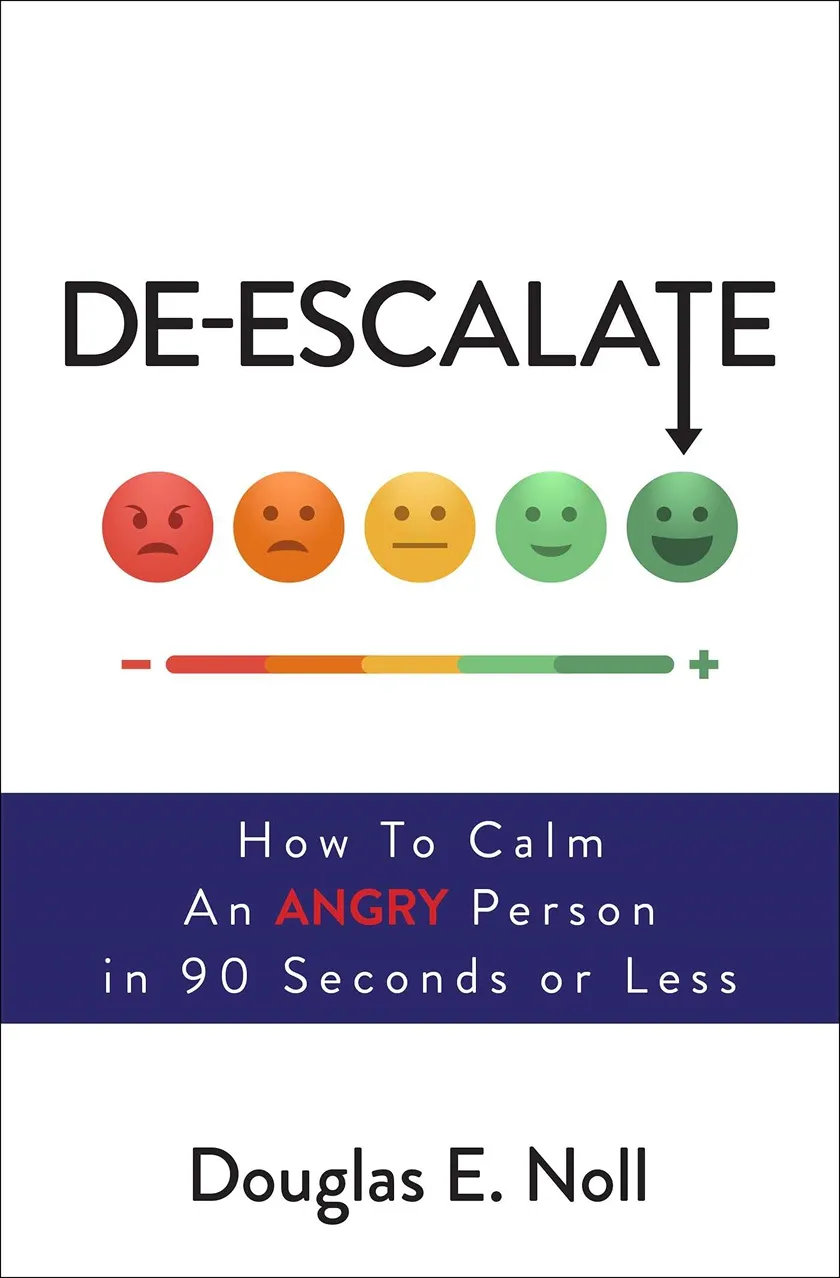
Doug has authored several books on affect labeling and emotional competency, including De-Escalate: How to Calm an Angry Person in 90 Seconds or Less, which won multiple awards and has been adopted by organizations worldwide.


More Blogs
View All

October 23, 2026
6 Powerful Reasons De-Escalation Training for Employees Doesn't Scale (and the Fix)
Read Blog

October 23, 2026
How Executive Dispute Mediation Actually Resolves a Board-Level Rupture
Read Blog

October 22, 2026
4 Critical Failures of Most Corporate Mediation (and the Approach That Works)
Read Blog