He Cut the One Person Everyone Followed
%201.avif)

Her numbers were the worst on the team.
Not catastrophic. Bottom quartile, consistently, for three quarters. Her individual output was roughly seventy percent of the team median and had been trending flat while everyone else climbed.
The founder had been carrying the decision for two months. He liked her. Everyone liked her. But he had a board that read dashboards and a head of people who had gently used the phrase "performance management" twice.
He let her go on a Thursday with a generous package and a genuinely warm reference.
Six weeks later velocity across the entire function had dropped by roughly a third, and nobody could explain why.
What she had been doing that no dashboard captured
She was the person people went to before they escalated.
When two engineers disagreed about an interface, they argued at her desk for ten minutes and resolved it. When someone got a piece of feedback that stung, they walked past her desk on the way back and were fine by the time they sat down. When a project was quietly going sideways, she was the first to know, and the information reached the lead early enough to matter.
None of that was in her job description. All of it was load-bearing.
Her individual output was low precisely because she spent thirty to forty percent of her week absorbing and routing the emotional traffic of a nineteen-person function. That work has no ticket and no line in a dashboard. It shows up only as its absence.
Six weeks after she left, three disputes that she would have resolved in ten minutes each escalated to the lead. Two people who would have decompressed at her desk instead took their frustration into a design review. One project that she would have flagged early surfaced late and cost a sprint.
The category of work most companies cannot see
Every organization has people who function as its regulation infrastructure. They are not always senior. They are frequently not the highest performers by any individual metric, because the work consumes exactly the hours that individual metrics measure.
You can identify them with one question, asked to everyone on the team: "When something goes wrong and you are frustrated, who do you talk to first?"
The answers concentrate fast. Usually one or two names carry most of a function.
Those people are maintaining the conditions under which everybody else's psychological safety holds. Remove one without replacing the function and the team does not just lose their output. It loses the mechanism that was keeping the rest of the output clean.
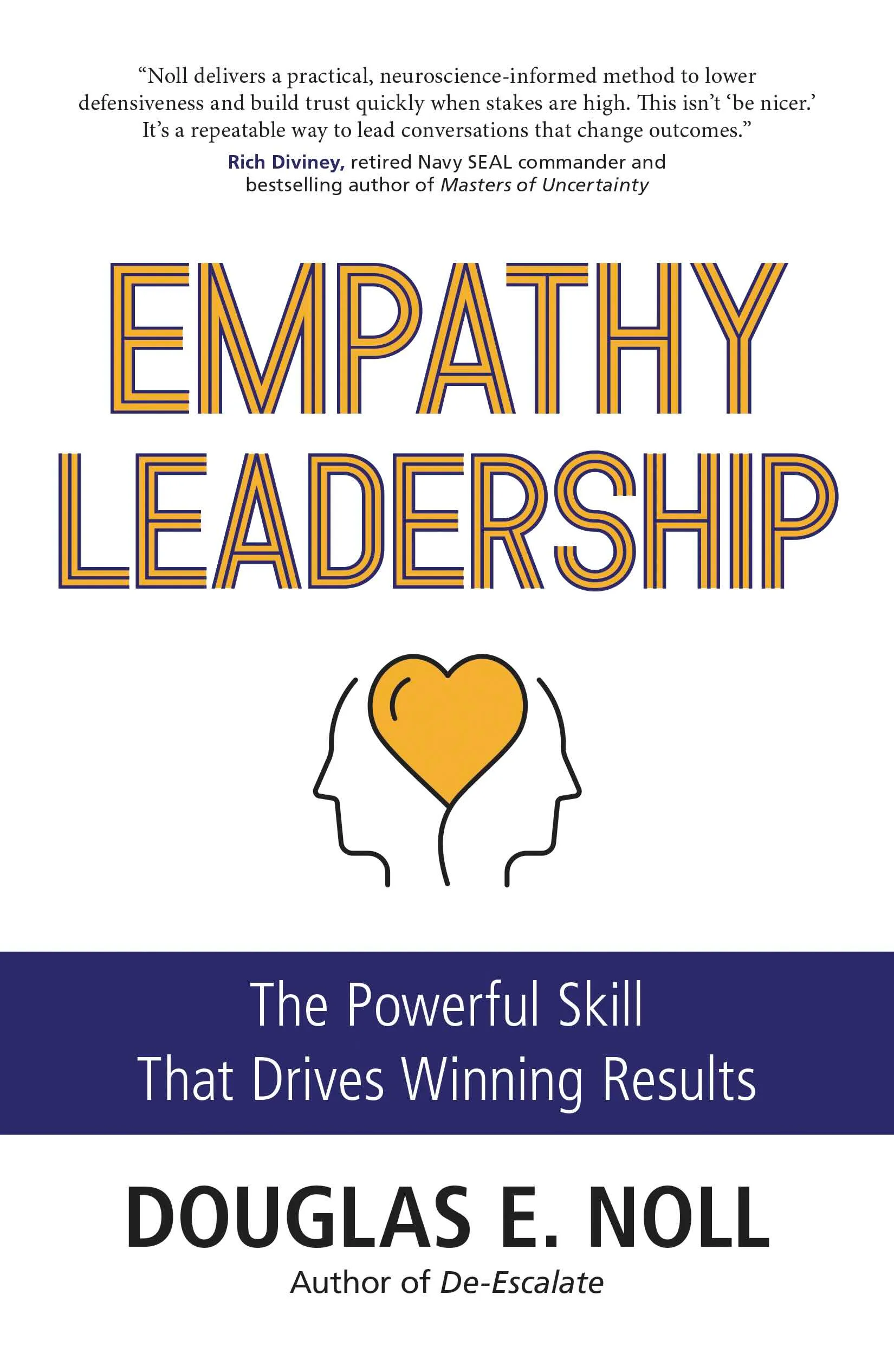
Doug Noll's new book Empathy Leadership: The Powerful Skill That Drives Winning Results covers how to identify and value the emotional infrastructure inside a team. Pre-order it on Amazon.
What he should have done instead
The answer is not to keep underperformers. He had a real problem and the numbers were real.
The answer is to see the work, name it, and then decide.
If he had run the "who do you talk to first" question before the decision, he would have found her name on eleven of nineteen responses. That would have changed the conversation entirely. The options then are obvious and none of them are what he did.
Make the work explicit and reduce her individual targets to match it. Promote her into a role where the work is the job. Distribute the function deliberately across two or three other people before she leaves. Or let her go anyway, with eyes open, and staff for the gap.
Any of those is defensible. What is not defensible is removing a load-bearing function you did not know existed, and then spending six weeks confused about why the building shifted.
The uncomfortable second-order effect
There was a second cost he did not anticipate.
The team watched the most emotionally generous person in the function get managed out for output. The lesson generalizes fast. Within two months, two other people had visibly narrowed their scope to their own tickets.
They were not being petty. They were being rational. The company had just demonstrated, expensively and publicly, which kind of work counts.
For related reads, see Building Trust to Stop Talent Bleed and Emotional Safety at Work.
The audit worth running this quarter
Ask every team the question. Write down the names.
Then look at those names against your performance distribution. If any of them are in your bottom quartile, you have found a person whose measured output is low because their unmeasured output is high.
You may still need to make a hard call. Make it knowing what you are removing.
If you are about to make a performance decision on someone the team seems unusually attached to, book a no-obligation Zoom call with Doug Noll first.
Emotional Competence Shapes Your Influence as a Leader
This 90-second emotional competence quiz will tell you how your emotions affect the way you are treated at work and how to gain the respect and influence you deserve as a leader.
Take the Free Assessment
Doug’s Books
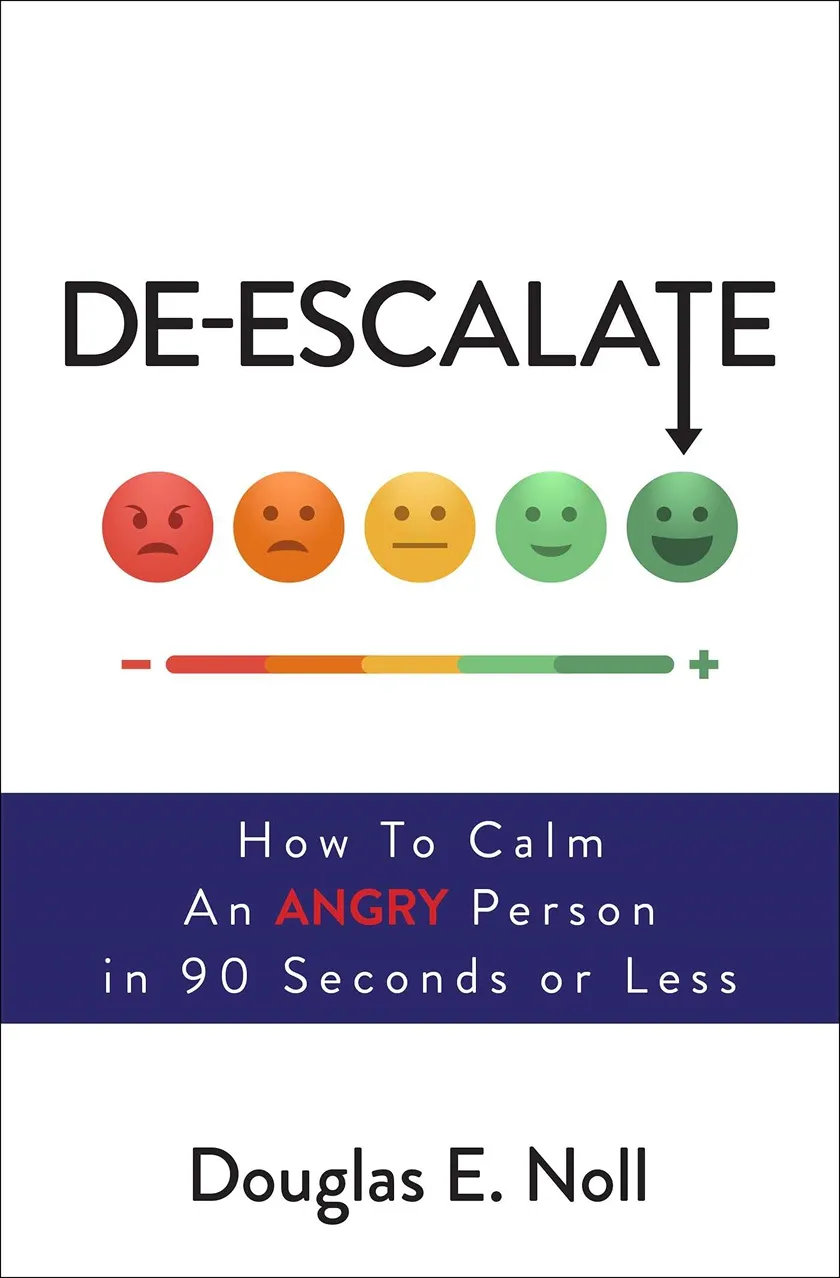
Doug has authored several books on affect labeling and emotional competency, including De-Escalate: How to Calm an Angry Person in 90 Seconds or Less, which won multiple awards and has been adopted by organizations worldwide.