The Ex-Employee Who Told the Truth Six Weeks After Leaving
%201.avif)

Her official exit interview said she was leaving for "new challenges" and that she had "really valued her time on the team." HR filed it, unremarkable, one of dozens that quarter that said roughly the same thing.
Six weeks later, settled into her new job, she met her old manager for coffee, mostly out of genuine fondness for him personally. Two coffees in, she told him the real reason. "I left because you took credit for the client renewal in front of the whole leadership team, and it wasn't the first time. I just never felt safe telling HR that on my way out."
Her manager had been unaware, both of the specific incident's weight and of the fact that it was the actual reason she had gone, not the vague "new challenges" line he had read in her file.
Why the exit interview said something different
An exit interview happens at the exact moment an employee has the least incentive to be fully honest. She still needed a reference. She still lived in the same professional community as her manager. Burning that bridge on her way out carried real, ongoing risk with almost no offsetting benefit, since nothing she said in that meeting was going to change a decision she had already made.
Six weeks later, with a new job secured and a reference no longer at stake in the same way, the calculation had shifted entirely. She had nothing left to protect by staying quiet and something to gain, mainly the simple relief of finally being honest with someone she had genuinely liked working for. The coffee conversation was not more honest because she trusted him more. It was more honest because the cost of honesty had dropped to nearly zero, and the nervous system stopped generating the self-protective hesitation it had generated on her last day inside the building. The mechanism sits close to affect labeling in reverse: the emotion was safe to name only once the environment stopped punishing it.
This gap is structural, not personal, and it means any organization relying on exit interviews as its primary listening mechanism is systematically hearing the version of events with the least useful information in it.
How much is one unresolved conflict really costing your company?
What the manager did with the delayed truth
He did not get defensive, which was itself unusual for him. He asked her one more question. "Did anyone else on the team ever say anything to you about this?" She named two colleagues who had privately complained about the same pattern, neither of whom had raised it through any official channel either.
He went back and had a direct conversation with both of them, initiating it himself rather than waiting for either to bring it up. He opened by naming what he now understood rather than asking them to relitigate it from scratch. "I found out I've been taking credit for work that wasn't mine to claim, and I think it's cost me more than one good person already. I want to hear it from you directly." Both had more to say than the exit interview process had ever given them room to.
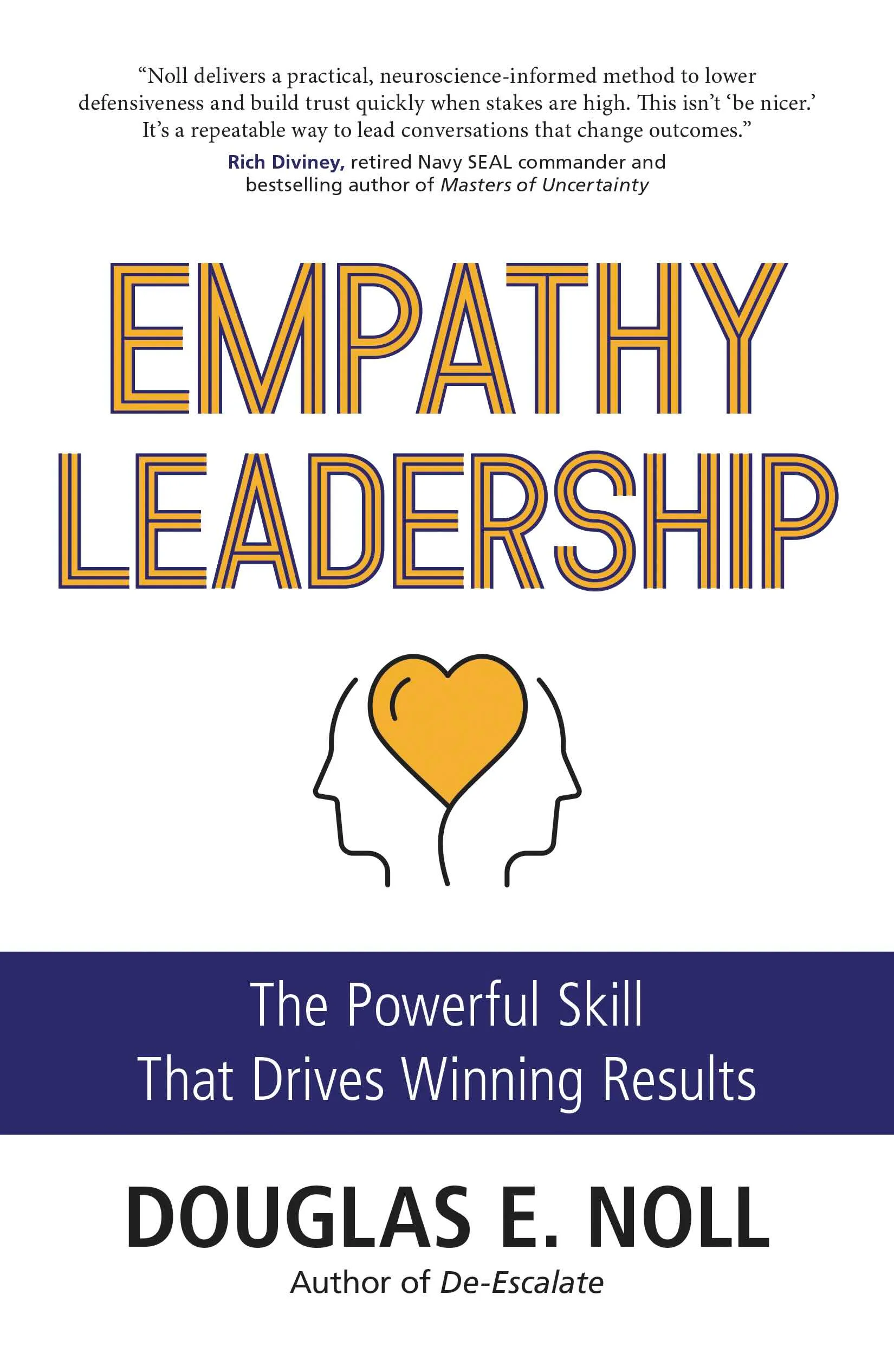
Doug Noll's new book Empathy Leadership: The Powerful Skill That Drives Winning Results lays out why the truth an employee withholds on the way out often surfaces anyway, just later and to someone else. See it here.
What the company changed about listening
The Head of People added a second, optional check-in three months after departure, framed explicitly as low-stakes and off the record, run by someone outside HR. Not everyone takes it. The ones who do say noticeably more than they said on their way out the door.
It will never fully close the gap between what someone says while still inside the building and what they say once they are safely gone. It has closed it partway, which has already surfaced two more patterns the original exit interviews had missed entirely.
Emotional Competence Shapes Your Influence as a Leader
This 90-second emotional competence quiz will tell you how your emotions affect the way you are treated at work and how to gain the respect and influence you deserve as a leader.
Take the Free Assessment
Doug’s Books
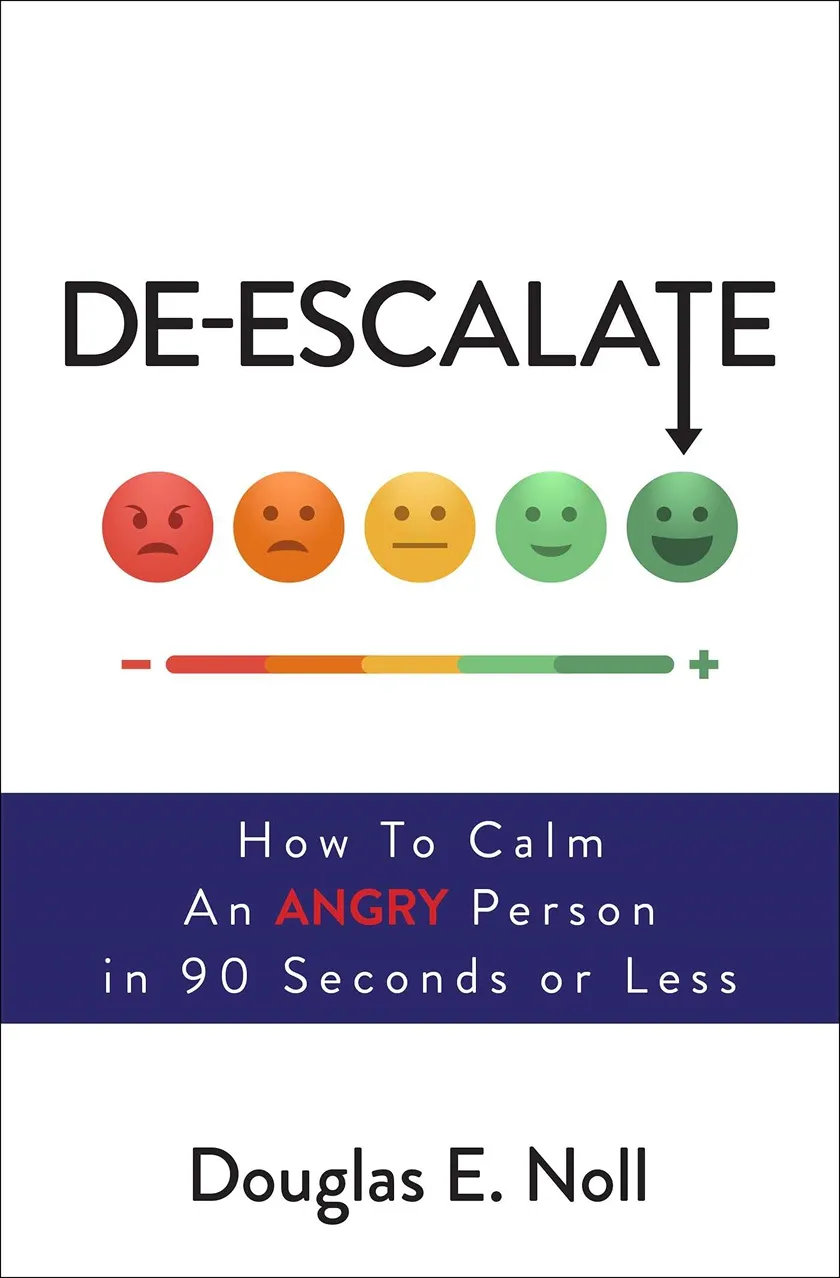
Doug has authored several books on affect labeling and emotional competency, including De-Escalate: How to Calm an Angry Person in 90 Seconds or Less, which won multiple awards and has been adopted by organizations worldwide.