6 Hidden Habits That Separate Empathetic Leaders From the Rest


The leadership assessment vendor presented their findings to the board.
Three executives were rated as "empathetic leaders" in the 360 data. Two were rated as "transactional". The pattern seemed to match reputations. The CEO felt the data was broadly right and did not probe much.
Six months later the lead director asked a different question. "What do the empathetic ones actually do that the transactional ones do not?" The CEO had no specific answer. The assessment had labelled the behaviour but had not identified it.
Here are the six hidden habits that separate empathetic leaders from the rest, each one specific enough to observe and specific enough to train.
1. They pause before responding to anything emotional
The single most observable difference between empathetic and non-empathetic leaders is a short pause before responding to any emotionally charged statement. The pause is usually two to four seconds. It happens visibly. It feels like the leader is taking the statement seriously rather than preparing their reply.
Non-empathetic leaders respond fast. The response is often technically correct and emotionally wrong, because the fast response was formed before the emotional content of the statement had actually been processed.
This habit is observable in any meeting if you know what to look for. It is also trainable in a few weeks of deliberate practice.
2. They ask one follow-up question before advising
When someone brings an empathetic leader a problem, the leader asks one question before offering a solution. "What have you tried?" "What is making this harder than it should be?" "What do you think would work?"
Non-empathetic leaders go straight to the solution. The solution is often fine. The relationship cost is high, because the person who raised the problem feels unheard and quickly stops bringing problems.
The follow-up question takes 15 seconds and changes whether the person comes back next time with the next problem, which is what determines whether the leader is actually informed about their own organisation.
3. They name the emotion they are observing without judging it
When an empathetic leader sees a direct report who is frustrated, exhausted, or anxious, they name it. "You seem frustrated with how this landed." They do not minimise it, do not try to fix it, and do not pathologise it. They just name it.
The naming does specific work. It tells the direct report they have been seen. It gives the direct report permission to acknowledge the state out loud. It opens the possibility of a conversation that addresses the actual issue rather than the surface content.
Non-empathetic leaders ignore the emotional state and address the content. The content gets handled. The underlying thing stays and compounds.
4. They publicly change position when challenged correctly
Empathetic leaders model being wrong in front of their teams. When a direct report challenges a leader's position and the challenge is correct, the leader publicly changes position and attributes the change to the challenger.
"You are right. I was wrong on this. Let's do it your way, and thank you for pushing back on it."
This behaviour reinforces the environment where challenges happen. Direct reports learn that challenging the leader is safe and worthwhile. The organisation becomes self-correcting on a shorter cycle.
Non-empathetic leaders defend their positions reflexively, which trains the team to stop challenging, which produces an organisation that keeps making the same mistakes because nobody is willing to raise them.
If a 15-person leadership team is losing an hour a week to decisions that should have been challenged and were not, that is roughly $390,000 a year at exec hourly rates. The exact number is a two-minute input in Doug's cost of conflict calculator.
5. They acknowledge the cost of a hard decision to the person it affects most
When an empathetic leader makes a hard decision that affects someone, they acknowledge the cost directly, before explaining the reasoning.
"This changes your role in a way you did not want. I know that. I want to walk you through why I am doing it, and I want you to tell me what I am not seeing, before we land this."
Non-empathetic leaders explain the reasoning and expect the affected person to accept the outcome because the reasoning is sound. The reasoning is often sound. The affected person usually accepts the outcome and quietly disengages from the leader for the next 18 months.
The acknowledgment of the cost is 20 seconds and it preserves the relationship. The relationship is what makes the next hard decision executable rather than resisted.
6. They end conversations when the useful part is over, visibly
Empathetic leaders do not linger in conversations past the point of usefulness. They mark the end deliberately. "I think we have landed where we need to for now. Let's close here."
This respects the direct report's time and signals that the conversation was taken seriously enough to be worth closing properly rather than drifting away from.
Non-empathetic leaders either rush conversations to end them or let them drift past the useful point. Both signal that the conversation was not valued. Both train the direct report to raise less in the next conversation.
Doug Noll teaches Decision-Making Under Stress and Conflict at Pepperdine's Straus Institute. His work with executive teams on empathetic leadership is built around training these six specific behaviours, measurable through observation and transferable across industries.
Doug runs a quarterly Roundtable with six to eight founders working the same leadership-room problem in one room. The next one is $7,500 a seat. See if the Roundtable fits.
The CEO's second attempt at the assessment
He went back to the vendor and asked for a different assessment design. Instead of self-report and 360 ratings, trained observers would score each executive against the six specific behaviours in sampled real meetings.
The results were materially different from the first assessment. One executive who had rated highly on empathy in the 360 data showed up low on the behavioural assessment. One executive who had rated as transactional showed up high. The CEO took both findings seriously and the leadership team improved materially over the following year.
For related reads, see why empathy in leadership keeps dying on Monday and what empathy with strategy looks like for the c-suite.
Empathetic leadership is six specific behaviours. The behaviours are observable, trainable, and separable from personality. Any assessment that cannot score for them is not actually assessing empathetic leadership.
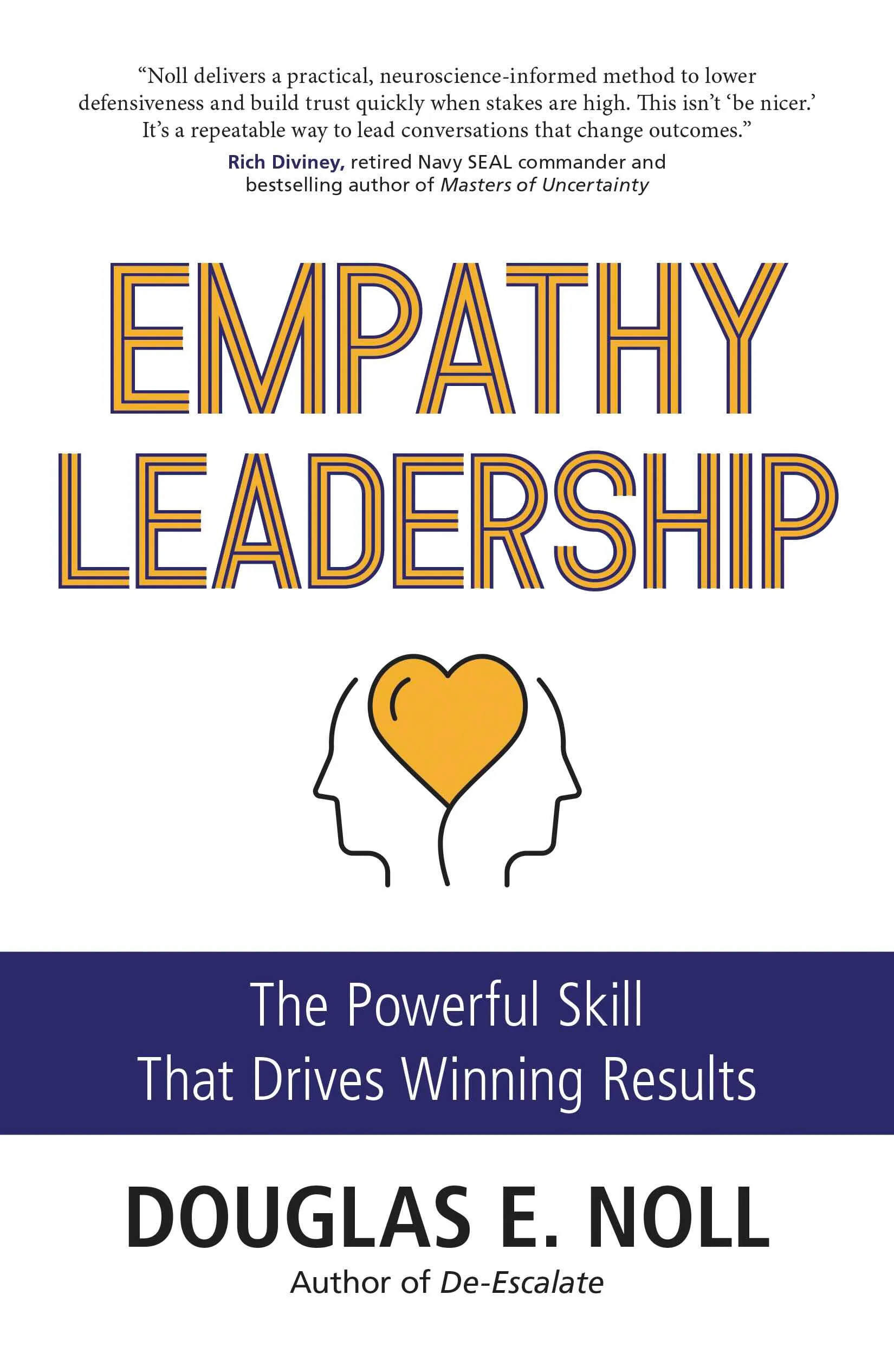
Empathy Leadership: The Powerful Skill That Drives Winning Results is out now. Order on Amazon, or if a 20-minute call would be more useful, Doug's calendar is here.
Emotional Competence Shapes Your Influence as a Leader
This 90-second emotional competence quiz will tell you how your emotions affect the way you are treated at work and how to gain the respect and influence you deserve as a leader.
Take the Free Assessment
Doug’s Books
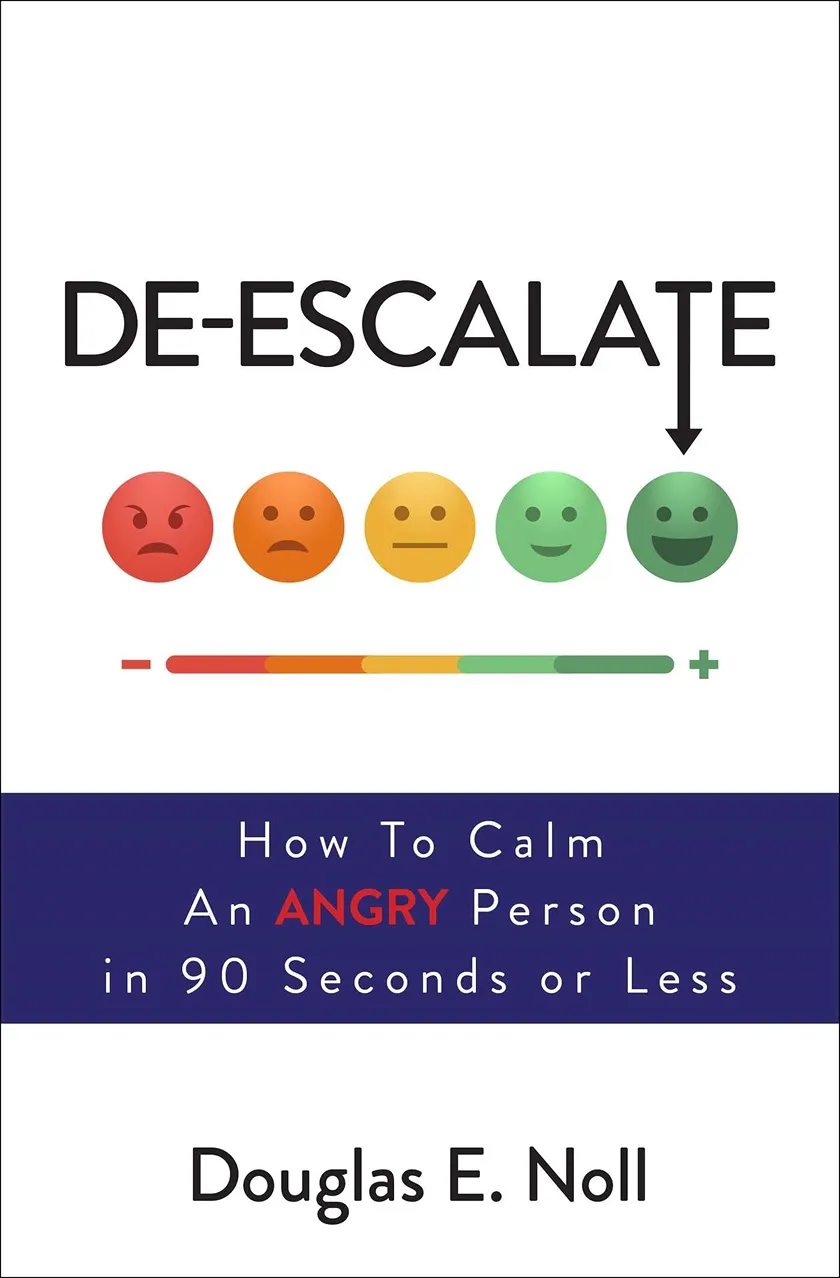
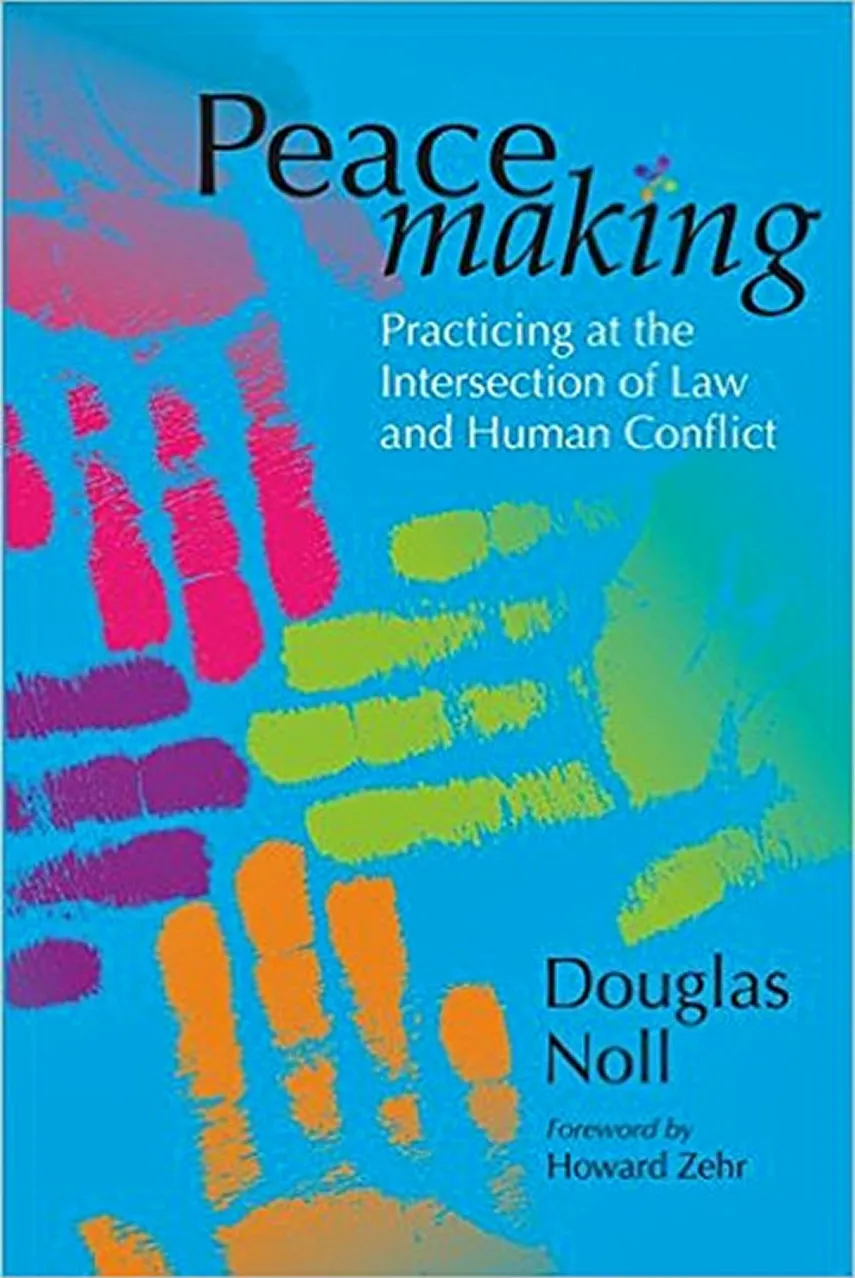
Doug has authored several books on affect labeling and emotional competency, including De-Escalate: How to Calm an Angry Person in 90 Seconds or Less, which won multiple awards and has been adopted by organizations worldwide.
More Blogs
View All

November 3, 2026
5 Essential Signs of Corporate Emotional Intelligence That Actually Moves Numbers
Read Blog

November 2, 2026
7 Powerful Reasons Emotional Intelligence in the C-Suite Fails the Pressure Test
Read Blog

November 2, 2026
Why Empathy in Leadership Keeps Dying on Monday: 6 Hidden Causes
Read Blog