The Successor Who Knew Everything Except How to Be Heard
%201.avif)

She came back with an MBA from a school her father could name without being told, four years at a firm he respected, and a plan.
The plan was good. Anyone outside the family who read it said so. It restructured the operating company's reporting lines, consolidated three overlapping functions, and moved the group off a legacy system that was costing roughly $400,000 a year in workarounds.
She presented it at the March family meeting. Twelve people in the room including two non-family directors.
Her father listened to all of it. Then he said, "It is well done. Let's think about it."
They did not think about it. It never came back to a meeting. Eighteen months later a consultant proposed roughly sixty percent of the same plan and the family approved it in one session.
She was in that session. She voted for it.
The thing she got wrong for two years
She believed she was losing on merit and responded by improving her arguments. Better analysis, tighter decks, more external benchmarking, a pilot with hard numbers.
None of it worked, because she was not losing on merit.
She was losing on temperature.
Every time she presented, her father's discomfort entered the room before her logic did. Not visible discomfort. He never argued with her, never criticized the work, never said anything anyone could point to. He would shift in his chair, go quiet, and offer a version of "let's think about it."
Everyone in the room read that. Nobody named it. And a plan that the principal is visibly uncomfortable with does not get adopted, regardless of its quality, because the rest of the room is managing his state rather than evaluating her proposal.
What his discomfort was actually about
Not the plan. He agreed with most of the plan, which is why he approved it from a consultant later.
It was about what the plan implied. Every line of it described something he had built and was now being asked to concede had aged badly. The legacy system was one he had personally chosen in 1998 over the objection of a CFO he later fired. The overlapping functions existed because he had promised roles to two people who were still there.
She was presenting an operational document. He was hearing an audit of thirty years of judgment, delivered by his own daughter, in front of two outside directors.
His nervous system did what nervous systems do. It went quiet and it declined to move.
What changed
An advisor she trusted told her something that made her angry for about a week before she used it.
"You are trying to win the meeting. Win the room instead. Those are different jobs."
The specific instruction was to stop presenting to the room and start naming the room. Before any proposal, out loud, in front of everyone.
At the next meeting she opened with four sentences before a single slide.
"Some of what I am about to propose replaces things Dad built. I want to say that plainly rather than have it sit under the conversation. He built a company that funded all of us and I am not here to audit that. I am here because the next twenty years need different plumbing than the last thirty."
Her father put his pen down. He said, "Well. Alright then."
The plan passed with two modifications in that session.
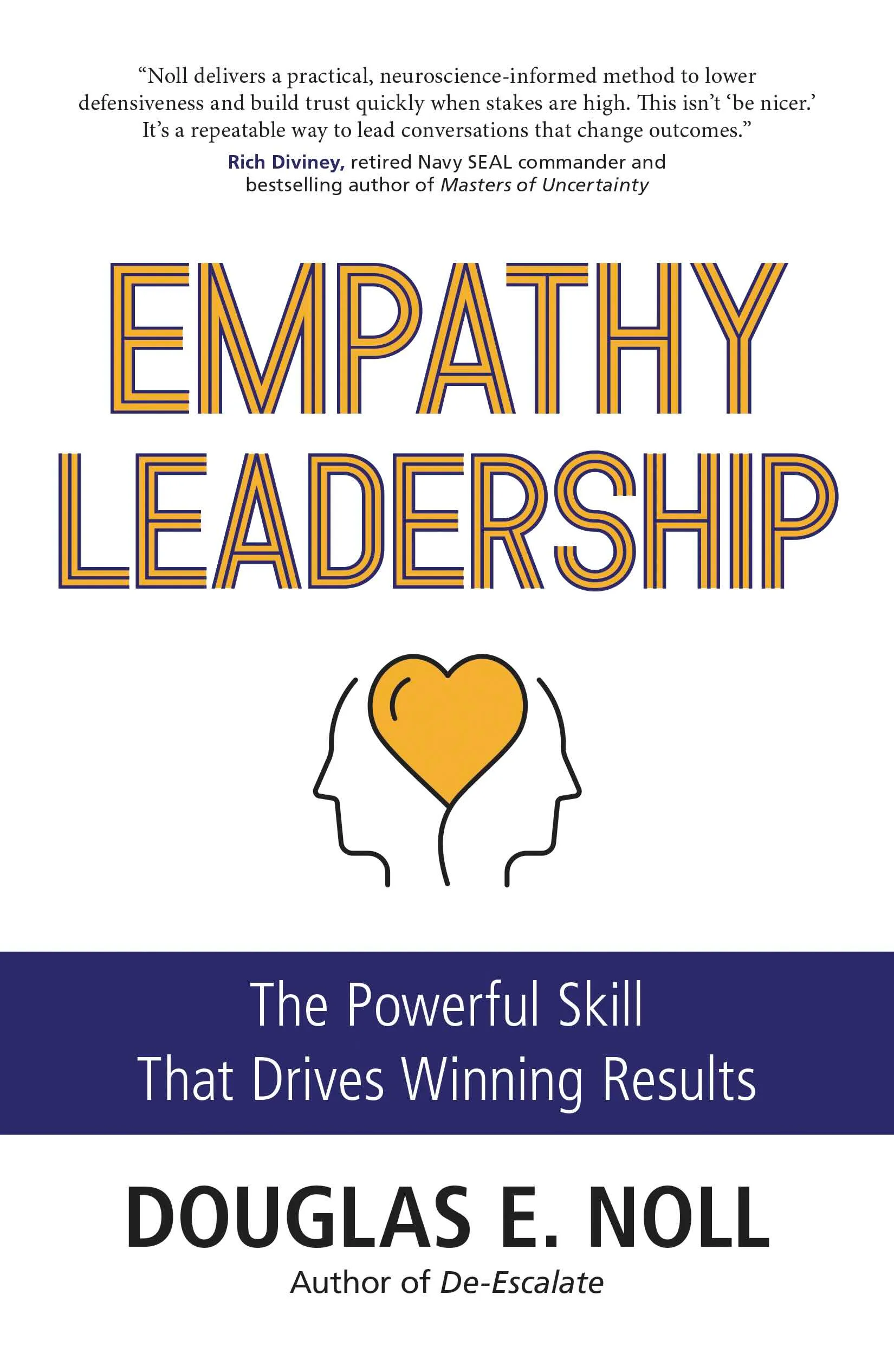
Doug Noll's new book Empathy Leadership: The Powerful Skill That Drives Winning Results covers the specific language that makes succession conversations survivable for both generations. Pre-order it on Simon & Schuster.
Why this is the whole succession problem in miniature
Succession is not a transfer of competence. Competence transfers easily and can be verified.
Succession is a transfer of trust, and trust moves through emotional fluency rather than through spreadsheets. The incoming generation almost always over-invests in demonstrating capability and under-invests in managing what their capability implies about the outgoing one.
Every plan a successor proposes carries a second message underneath the first. The first message is "here is a better way." The second is "what you did is no longer good enough." The successor hears only the first. The founder hears mostly the second.
Naming the second message out loud is what disarms it. Leaving it unnamed guarantees it runs the meeting.
The four sentences
They are not a script. They are a shape.
Name what your proposal displaces. Name the person who built it. Name what you are not saying. Name why the change is about the future rather than the past.
Four sentences, roughly twenty seconds, before any content. In family enterprises they are worth more than the next forty slides.
For related reads, see Vulnerable Leadership Without Weakness and Naming the Elephant Without Fear.
If you are the next generation and your good ideas keep dying in the room, book a no-obligation Zoom call with Doug Noll.
Emotional Competence Shapes Your Influence as a Leader
This 90-second emotional competence quiz will tell you how your emotions affect the way you are treated at work and how to gain the respect and influence you deserve as a leader.
Take the Free Assessment
Doug’s Books
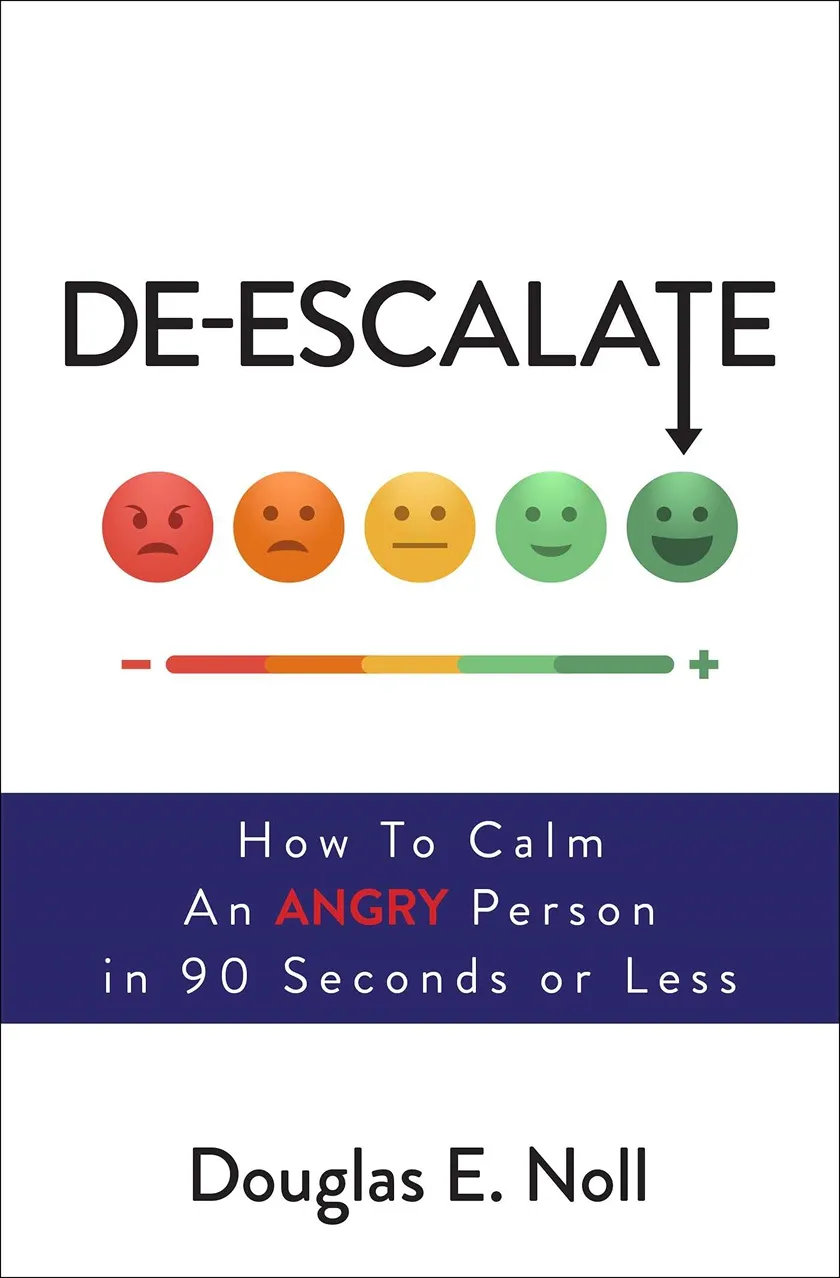
Doug has authored several books on affect labeling and emotional competency, including De-Escalate: How to Calm an Angry Person in 90 Seconds or Less, which won multiple awards and has been adopted by organizations worldwide.