What Happens When One Person on the Team Refuses to Engage


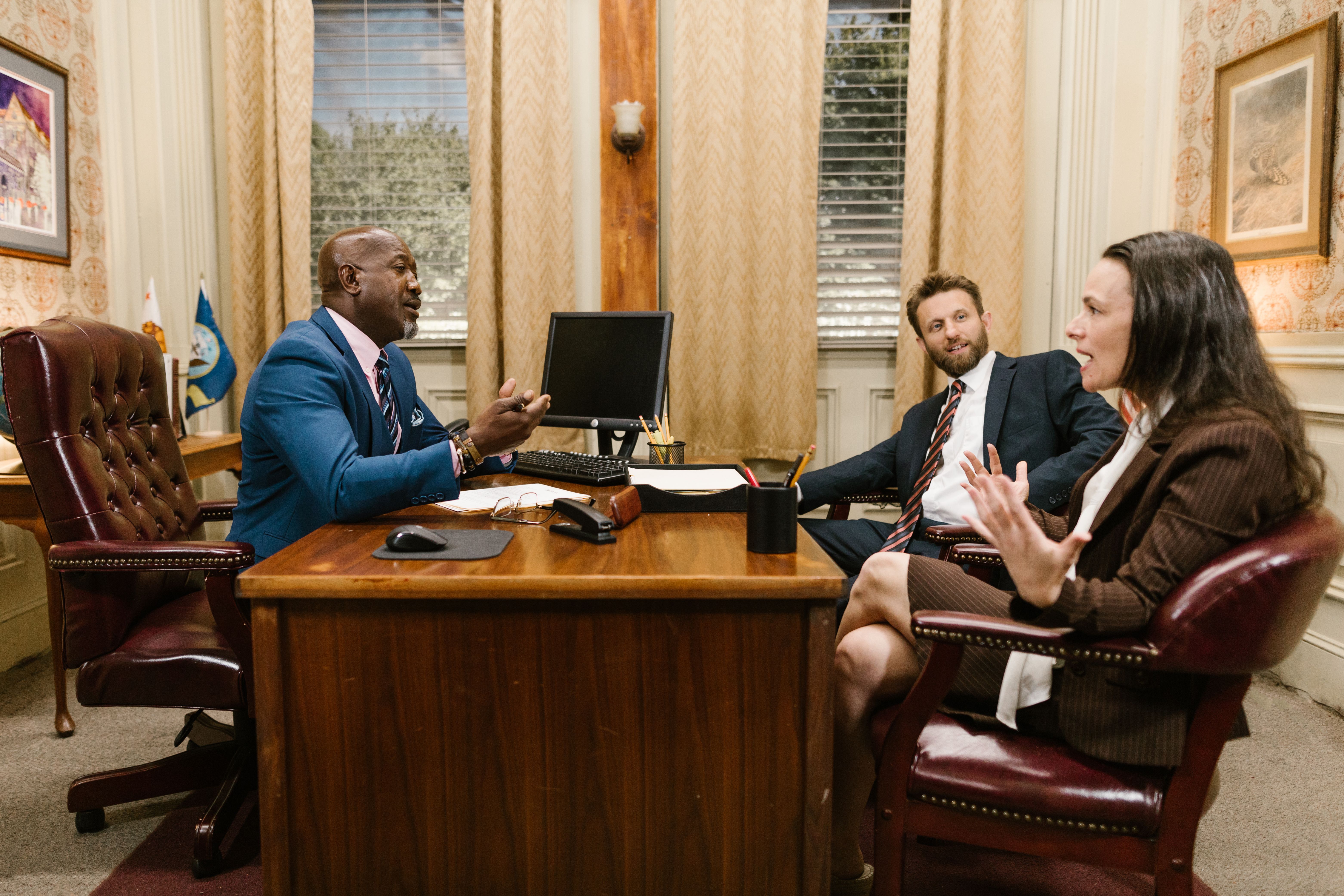
The Head of People named the concern directly before signing off on the program. "I have one director who has already told his team he thinks this whole thing is nonsense. He's going to sit in the room with his arms crossed the entire time. What does that do to everyone else?"
It is a specific and legitimate worry. Group dynamics are real, and one visibly disengaged senior person in a room can absolutely shape how everyone else behaves in it.
Where the question comes from
She had seen this exact dynamic sink a previous initiative. A senior, respected skeptic had visibly checked out of a prior workshop, and several more junior participants, taking their social cues from him, had quietly disengaged as well rather than risk looking naive by being the only one who took it seriously.
Her fear was not really about the one director. It was about contagion, whether his visible refusal would give everyone else permission to also treat the work as unserious, and whether the whole investment would be undermined by a single person's posture in the room.
How much is one unresolved conflict really costing your company?
The honest answer
The honest answer is that a visibly disengaged senior person can shape a room, but only when nobody addresses it directly. The mistake in the prior workshop was not that the skeptic disengaged. It was that the facilitator worked around him rather than naming what was happening in the room in real time.
The stronger approach is to address the disengaged director directly and specifically, in front of the group, using the same core skill the training itself teaches: naming what he appears to be feeling, without judgment, and inviting a real response. "You look like you think this is a waste of your time. Tell me what's actually behind that." This does two things at once. It removes the silent, unaddressed tension that would otherwise spread to the rest of the room, and it models, live, exactly the skill the session exists to teach, using the most difficult person in the room as the demonstration rather than a hypothetical.
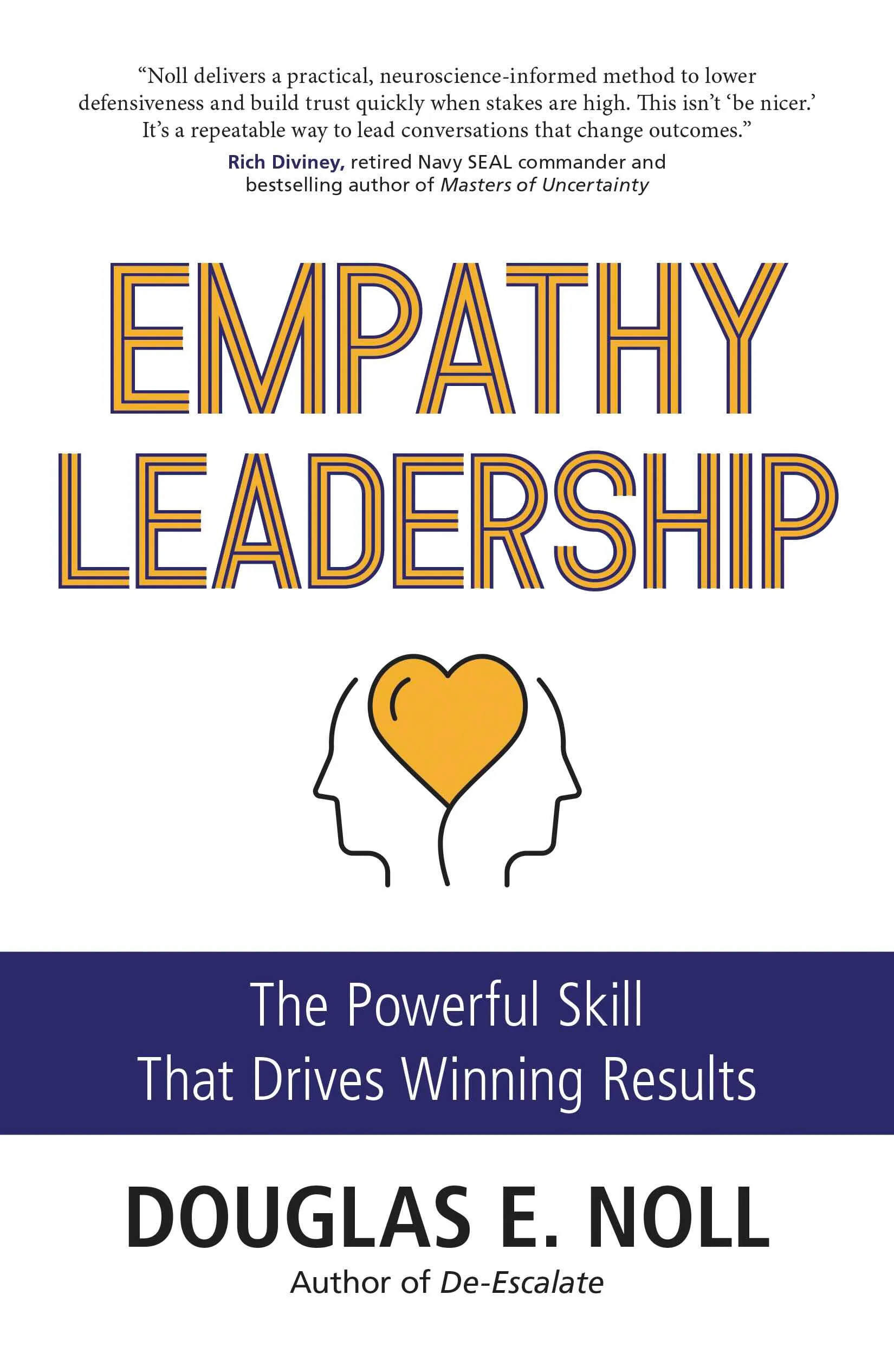
Doug Noll's new book Empathy Leadership: The Powerful Skill That Drives Winning Results lays out why the most resistant person in the room is often the best possible demonstration of the skill, not a threat to it. See it here.
What to say when someone still pushes back
If the Head of People remains worried about the risk, the fair answer is to prepare her for the specific approach in advance rather than promising the director will simply come around on his own. "We're not going to ignore him and hope the room carries the day despite him. We're going to address him directly, early, in a way that either brings him in or at minimum stops his posture from being contagious to everyone else."
Naming the plan explicitly, rather than crossing fingers that the skeptic softens naturally, is usually enough to settle the worry, because it replaces an uncertain hope with a concrete plan she can evaluate for herself.
Emotional Competence Shapes Your Influence as a Leader
This 90-second emotional competence quiz will tell you how your emotions affect the way you are treated at work and how to gain the respect and influence you deserve as a leader.
Take the Free Assessment
Doug’s Books
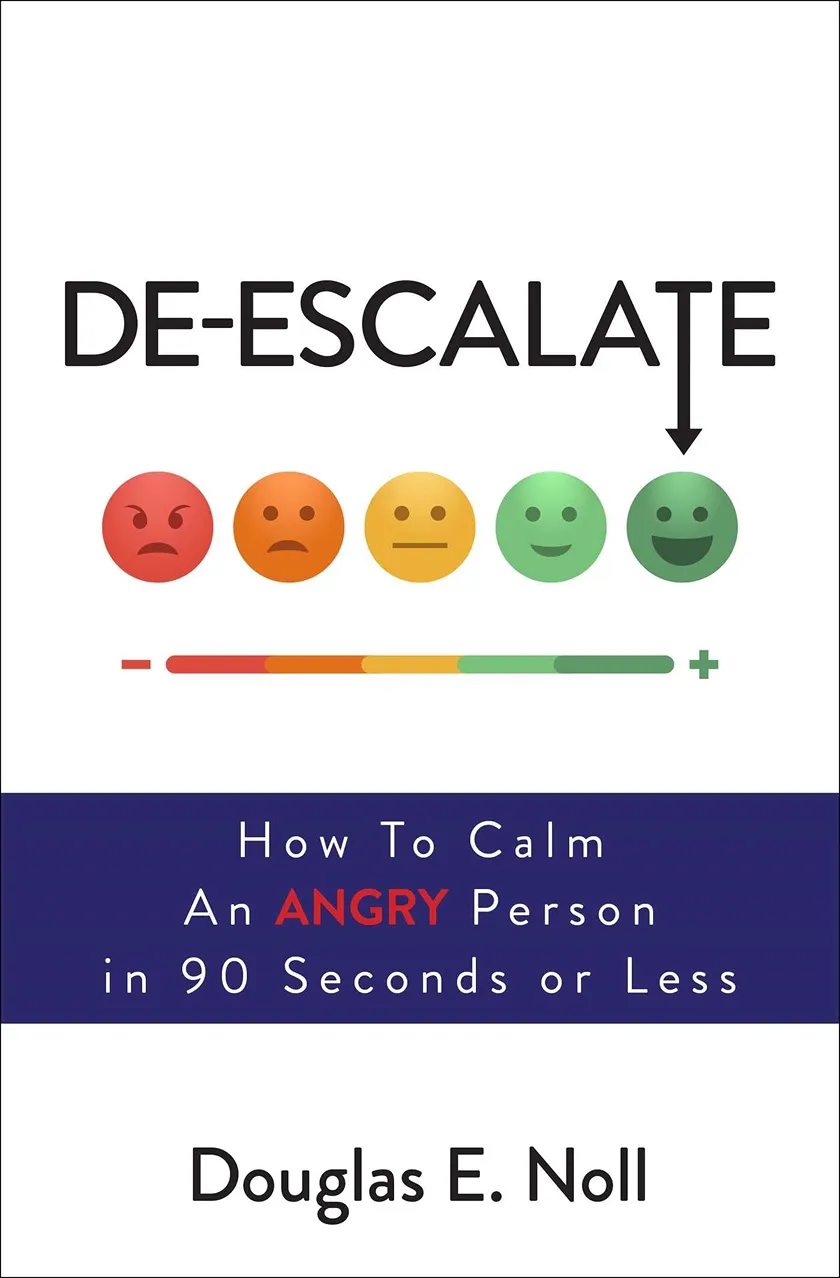
Doug has authored several books on affect labeling and emotional competency, including De-Escalate: How to Calm an Angry Person in 90 Seconds or Less, which won multiple awards and has been adopted by organizations worldwide.