The 7 Shocking Reasons Empathy at Work Keeps Getting Framed as Soft


The CFO's response in the budget meeting was two sentences long.
"We are not funding another empathy programme. The last one scored 4.5 on the exit survey and did nothing for retention. Find me something harder."
The CPO had been waiting for this. She had the data to argue the point. She had the three case studies lined up. She also had, from four previous attempts, the knowledge that the data and the case studies would not change the CFO's mind in that meeting. The CFO's mind was made up because the word "empathy" had been coded as soft in his head sometime in 1998, and 28 years of corporate experience had reinforced the coding.
Here are the seven reasons empathy at work keeps getting framed as soft by exactly the executives who need it most, and the one reframe that moves the budget conversation.
1. The word itself has been degraded by a decade of generic use
"Empathy" has appeared in every corporate values statement for the last ten years. It has been attached to meditation apps, to mental health awareness campaigns, to generic emotional intelligence training. The word is doing promotional work for 400 different unrelated products, and the result is that senior executives have stopped hearing it as a specific capability. It has become a wrapper for anything soft.
A CPO using the word in a budget meeting is competing with a decade of accumulated vague usage. The word itself is working against the pitch.
2. The business case has historically been emotional
The pitch for empathy programmes has traditionally relied on stories, case anecdotes, and language about caring. These are the register that makes CFOs discount the pitch. The business case for empathy has to be made in operational and financial language, with observable behaviour and quantified outcome, or it does not land.
The CPO's previous four attempts had been in the emotional register. They had failed for a reason.
3. The vendors have mostly been bad
Most empathy programmes bought by corporations have failed to produce behaviour change. Executives have 28 years of lived experience of this. When a CPO brings up "another empathy programme", the executive memory is of three or four previous programmes that scored well and changed nothing. The scepticism is not prejudice. It is pattern recognition.
The CPO has to acknowledge the previous failures before pitching the new programme, or the executive will discount the new one by default.
4. The measurement has been self-reported
Every previous empathy programme the executive remembers was evaluated by participant satisfaction, pre-post self-assessment, and anecdotes. None of these are financial measurement. The executive correctly reads this as the programme protecting itself from accountability.
A programme that is willing to be measured by observable behaviour and quantified outcome is a different product. The CPO has to lead with this, not reach it in slide 14.
If a CPO can show the CFO that one unresolved recurring executive-team friction is costing the company $400,000 a year in time alone, before counting decision quality or retention, the conversation shifts. The exact number for your situation is a two-minute input in Doug's cost of conflict calculator.
5. The outcome has not been tied to retention economics
Executives respond to retention costs because they are large, concrete, and politically visible. Replacing a senior executive costs 1.5 to 2 times annual salary. The CPO has retention data. The CPO has not usually connected the empathy programme to that data in a way that shows the specific mechanism.
The reframe is specific. Empathy programmes that work reduce early-stage attrition of high-performers by changing the behaviour of their direct managers. The connection is causal, measurable, and large. If a company loses two senior executives a year to this specific pattern and the programme reduces that by one, the programme has already paid for itself at any realistic price point.
6. The language assumes the executive is the beneficiary rather than the deliverer
Most empathy pitches implicitly ask the executive to receive the training. This triggers specific resistance in executives who have risen on exactly the behaviour the programme is proposing to change. The pitch has to flip. The executive is being asked to invest in capability for their team, which will produce measurable outcomes they are responsible for.
A CEO is not being asked to be more empathetic. The CEO is being asked to equip their leadership team with a capability that reduces attrition, speeds decisions, and improves customer-facing outcomes. These are the metrics the CEO is accountable for.
7. The alternative framing exists and is not being used
The reframe that works is operational. The programme is not an empathy programme. It is a nervous system regulation protocol for high-stakes conversations. It produces specific behavioural outcomes under specific pressure. It can be measured by observable behaviour in sampled real interactions. It ties directly to retention economics and decision-speed metrics.
Everything about this framing is accurate. It is also harder to dismiss as soft. The word "empathy" never appears until the executive sees the behavioural results and asks what the underlying capability is.
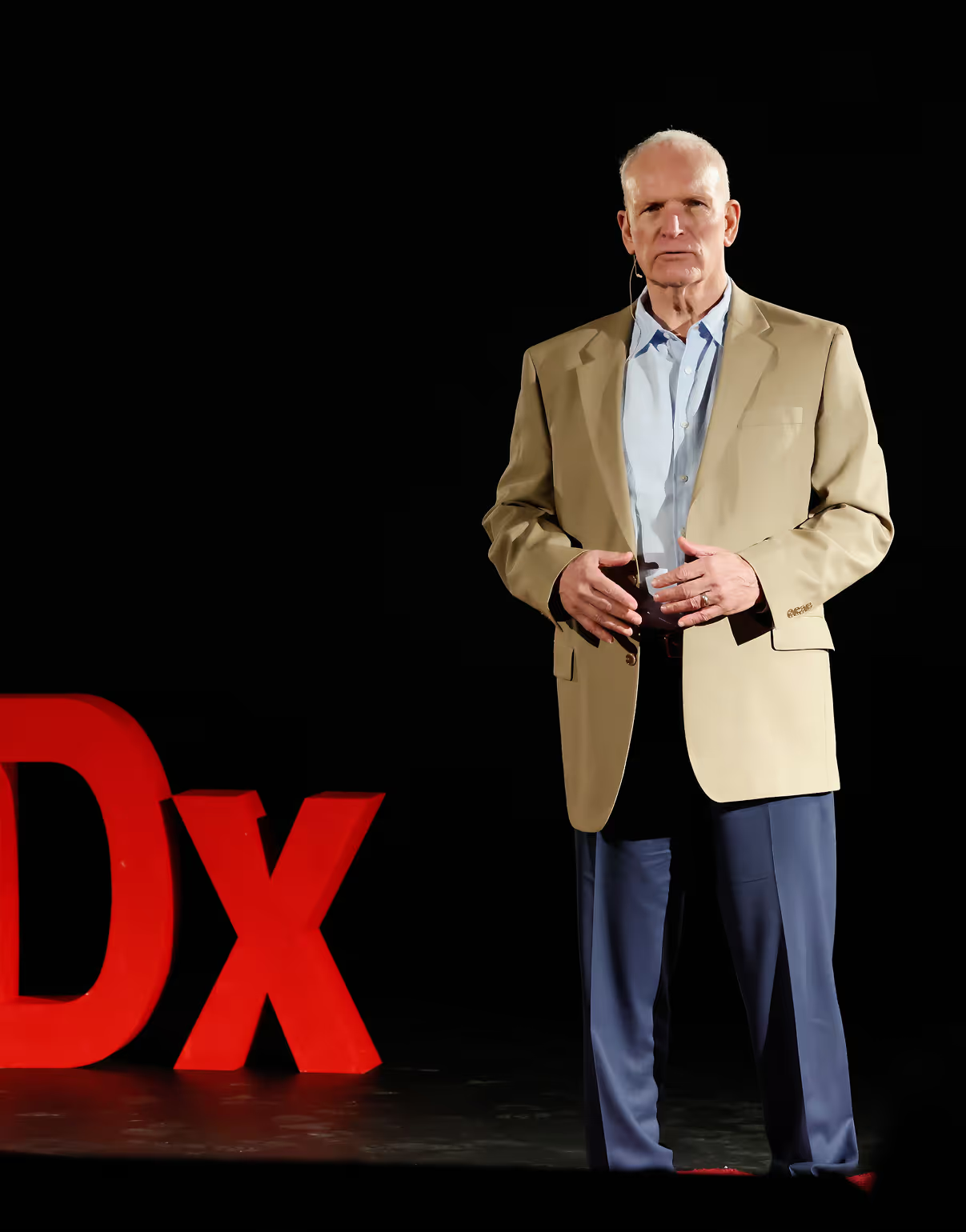
Doug Noll was named 2018 Neutral of the Year by the National Academy of Distinguished Neutrals. He teaches Decision-Making Under Stress and Conflict at Pepperdine Law and co-founded the Prison of Peace Project. The protocol is identical whether it is being taught to a CFO, a trial attorney, or a lifer. The framing differs by audience. The protocol does not.
Doug runs a quarterly Roundtable with six to eight founders working the same leadership-room problem in one room. The next one is $7,500 a seat. See if the Roundtable fits.
The reframe that moves the budget
The CPO went back to the CFO three weeks later with a different pitch. She did not use the word empathy. She presented a specific behavioural outcome, a specific measurement mechanism, a specific retention economics case, and a specific accountability structure. The CFO signed off on half her original budget request as a pilot.
Six months later the pilot had produced measurable behavioural change in a sampled executive cohort and the full programme was approved.
For related reads, see why empathy as a leader is still mistaken for weakness and what empathy with strategy looks like for the c-suite.
Empathy at work gets framed as soft because the pitch has been soft. The reframe is available. The CPOs and CHROs who use it get their budgets approved.
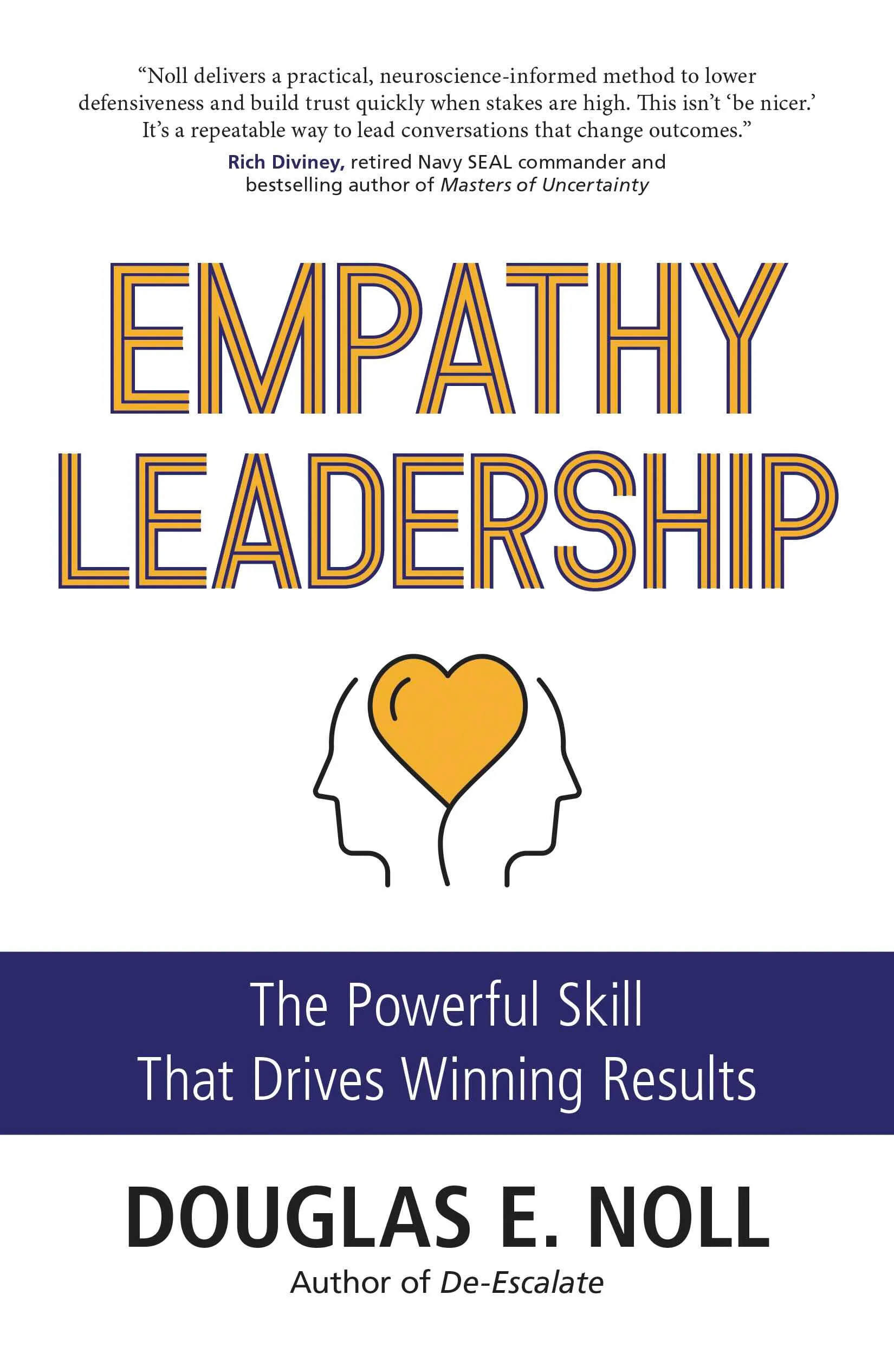
Empathy Leadership: The Powerful Skill That Drives Winning Results is out now. Order on Amazon, or if a 20-minute call would be more useful, Doug's calendar is here.
Emotional Competence Shapes Your Influence as a Leader
This 90-second emotional competence quiz will tell you how your emotions affect the way you are treated at work and how to gain the respect and influence you deserve as a leader.
Take the Free Assessment
Doug’s Books
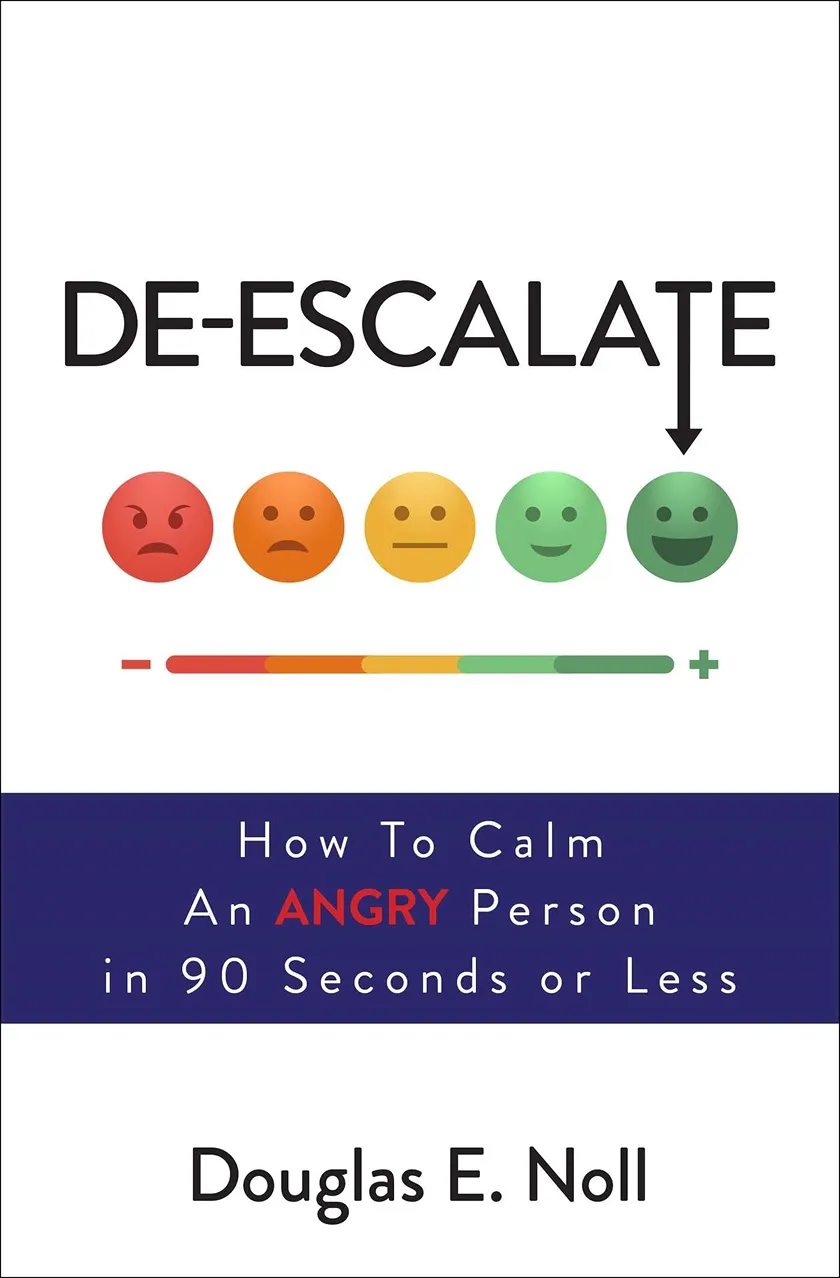
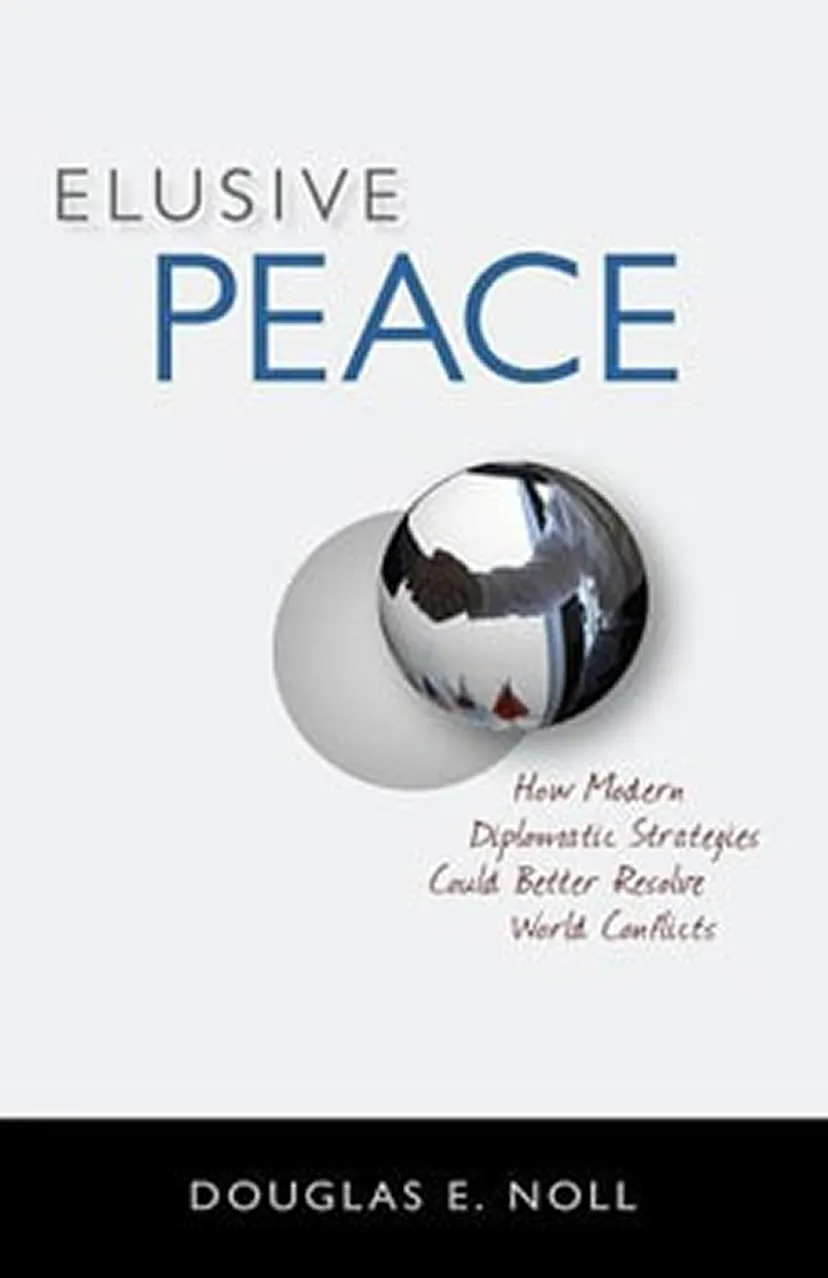
Doug has authored several books on affect labeling and emotional competency, including De-Escalate: How to Calm an Angry Person in 90 Seconds or Less, which won multiple awards and has been adopted by organizations worldwide.
More Blogs
View All