The Founder Who Lost the Deal by Winning the Argument
%201.avif)

The partnership had a thirty million dollar ceiling over three years.
Nine months of work. Four site visits. A technical integration that both engineering teams had signed off on. The commercial terms were agreed in principle. The final meeting was supposed to be a formality with lawyers in the room.
Forty minutes in, the partner's VP of engineering raised a concern about how the two systems would handle failover.
He was wrong. Not subtly wrong. He had misread a section of the architecture document and was describing a failure mode that could not occur given the design both teams had already approved.
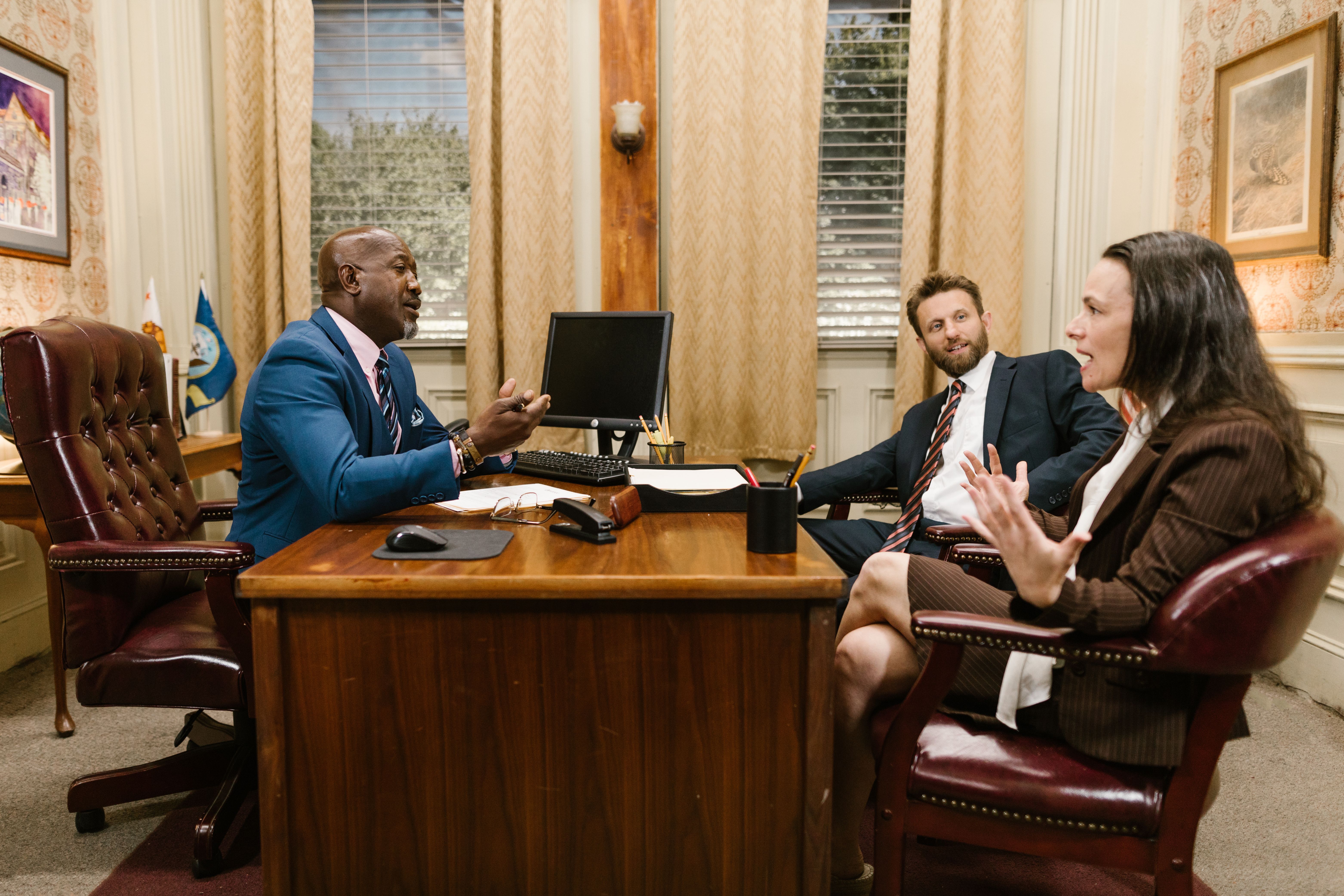
The founder corrected him. Cleanly, completely, with the document open on the screen and the relevant paragraph highlighted. It took ninety seconds. It was entirely accurate.
The VP said, "Fair enough." The meeting continued. The terms were confirmed. Everyone shook hands.
The deal died four weeks later for reasons nobody ever put in writing.
What happened in those ninety seconds
The VP had been at that partner company for eleven years. Two of his direct reports were in the room. His own CTO was on the call.
He was corrected, in front of all of them, by someone twenty years younger, using a document he was supposed to have read.
Nothing improper occurred. The founder did not gloat, did not raise his voice, did not make it personal. By every conventional standard of professional conduct he behaved well.
But the VP's amygdala did not process the exchange as a technical clarification. It processed it as a status event with witnesses. Public correction in front of subordinates is one of the most reliable threat triggers in professional settings, and it does not require any intent to humiliate. The mechanics do the work on their own.
From that moment, the VP was no longer a neutral party to the deal. He was a person with an unresolved state attached to it.
How the deal actually died
Not in a meeting. Deals like this never die in a meeting.
Over the following four weeks the VP raised three separate integration concerns through internal channels. Each was individually reasonable. Each required work from the founder's team to address. Each pushed the timeline.
At the fourth week his CTO, looking at a partnership that now seemed to have more technical friction than expected and a timeline that had slipped twice, decided to defer to the following fiscal year.
Nobody lied. Nobody sabotaged anything. A single person with an unresolved threat state applied slightly more scrutiny than he otherwise would have, three times, and that was sufficient.
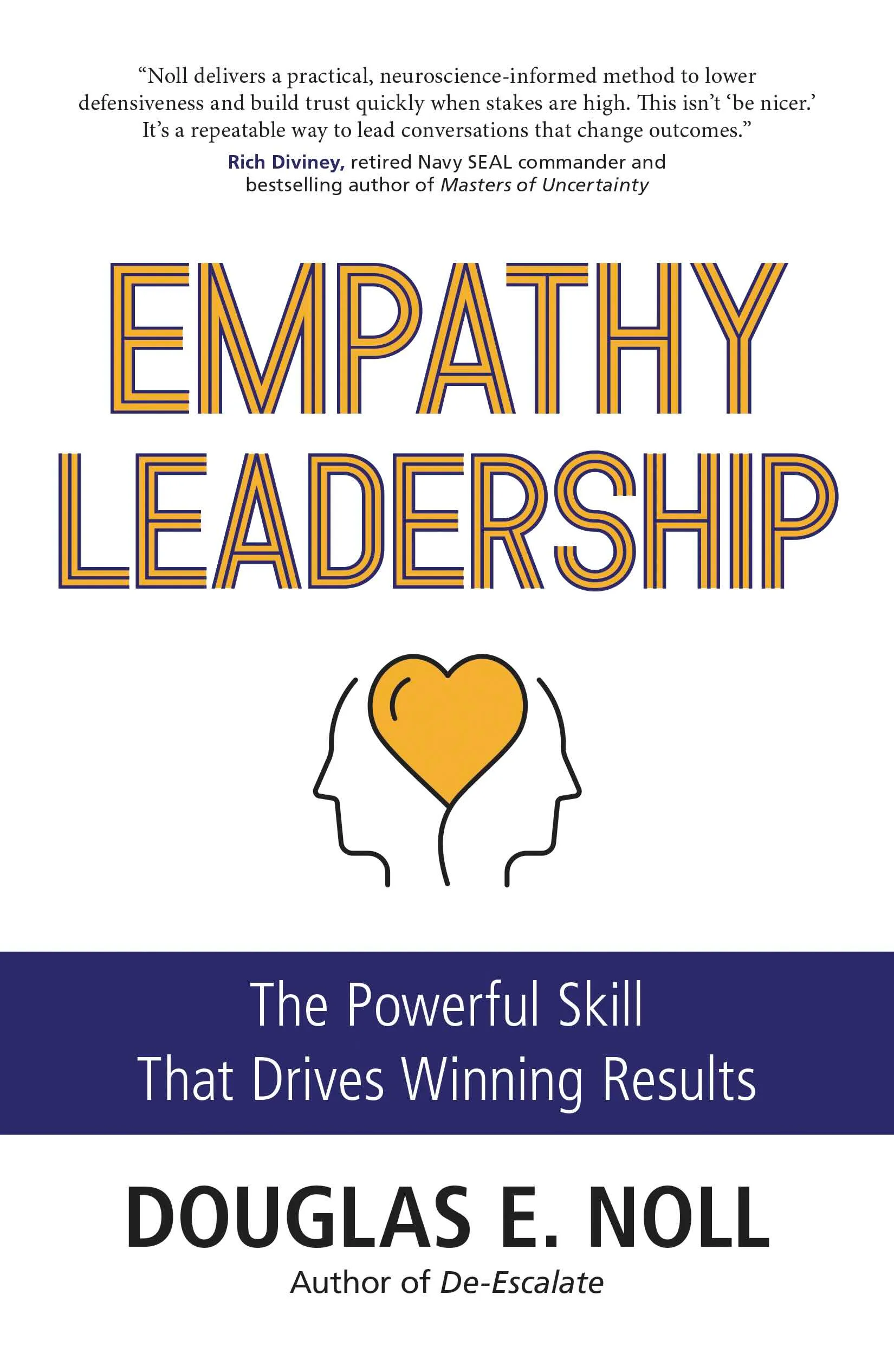
Doug Noll's new book Empathy Leadership: The Powerful Skill That Drives Winning Results covers what to do in the moment when you are right and the other side is exposed. Pre-order it on Bookshop.
The ninety seconds he could have used instead
He still needed to correct the error. The failover concern was wrong and letting it stand would have created a real problem.
The difference is sequence and audience.
In the room, minimum viable correction. "I think we may be reading the failover section differently. Let me take that offline with you and come back to the group, because I do not want to burn everyone's time on architecture." Thirty seconds, no exposure, error contained.
Then the private call. Walk the document together. He is still wrong, he still finds out he is wrong, and nobody watches it happen.
Then, if it matters, the public restoration. "Marcus and I went through the failover path. His read surfaced a documentation gap on our side that we have now fixed." That sentence costs nothing and it is almost always true, because a misreading usually indicates something genuinely ambiguous in the document.
The founder does not lose the point. He wins the point in a way that leaves the other person with somewhere to stand.
The rule that generalizes
In any negotiation, correct the content in private and preserve the person in public.
The reverse, which is what most technically strong founders do by default, is the single most reliable way to acquire an enemy inside an organization you need to say yes.
You do not need everyone in the room to like you. You need nobody in the room to be carrying an unresolved state about you when they go back to their own building and talk about the deal without you there.
For related reads, see Negotiation Tactics That Win Without Fighting and De-Escalate Without Giving In.
The part that stings
He was right about the failover. He is still right about it. If you showed him the architecture document today he could show you the paragraph.
Being right cost thirty million dollars over three years, and the invoice arrived four weeks later with no note attached explaining what it was for.
If you have a deal in late stages and want to think through where the human risk sits before the final meeting, book a no-obligation Zoom call with Doug Noll.
Emotional Competence Shapes Your Influence as a Leader
This 90-second emotional competence quiz will tell you how your emotions affect the way you are treated at work and how to gain the respect and influence you deserve as a leader.
Take the Free Assessment
Doug’s Books
Doug has authored several books on affect labeling and emotional competency, including De-Escalate: How to Calm an Angry Person in 90 Seconds or Less, which won multiple awards and has been adopted by organizations worldwide.