He Passed Every Reference Check. The Real Risk Was in How He Handled Being Wrong.
%201.avif)

Eleven reference calls. Every one of them positive.
Two former CEOs, three board members, four direct reports, two peers. The firm ran a full backchannel in addition to the provided list, which is where the real information usually sits, and the backchannel was clean.
He had run two businesses through successful exits. His operating record was verifiable and strong. He interviewed exceptionally well, including under a deliberately difficult session with two partners who were known for being hard on candidates.
He lasted fourteen months and the business lost roughly nineteen points of EBITDA margin while he was in the seat.
What the process tested
Capability. Track record. Domain fit. Cultural alignment as far as anyone can assess it in a process. Whether he could handle a hard interview.
That last one is worth pulling apart, because the firm believed it had tested pressure and it had not.
A difficult interview is a performance under conditions the candidate has prepared for, in a setting where he holds no authority and has every incentive to be at his best. It measures composure in a controlled environment with a known audience.
It does not measure what he does at 6pm on a Thursday in month nine when a direct report tells him the number is going to miss and it is partly because of a decision he made.
Those are entirely different capabilities and only one of them was assessed.
The behaviour that showed up
It started small and it was consistent.
When challenged in a leadership meeting, he would restate the challenge in a weaker form and then defeat the weaker form. Nobody called it. It is subtle and it happens fast.
When something went wrong, he located the cause outside himself within the first sentence. Not aggressively. It was almost always plausible, and frequently partly true, and it was invariable.
When a direct report brought him bad news, he asked, within the first two questions, why it had not been flagged earlier. This is a reasonable question that has a specific effect when it is the first question every time. It teaches people that bringing you a problem starts with defending themselves.
Within four months, three of his six directs had stopped bringing him anything that was not resolved.
The point where it became a nineteen-point problem
In month seven, a pricing decision he had championed started producing churn in the mid-market segment.
Two people saw it in the data in week three. Neither raised it, because both had learned what happens when you bring him something that implies he was wrong.
It surfaced in month nine, from a customer, in a call with the board.
By then the churn had compounded through a renewal cycle and the recovery took the rest of the year. The direct cost of the pricing decision was maybe four points. The remaining fifteen came from the six weeks of silence, because a pricing error caught in week three is an adjustment and a pricing error caught in month nine is a segment problem.
What the due diligence missed
The firm's post-mortem was unusually honest and concluded that every reference had been accurate.
He genuinely had turned around two businesses. His former board members genuinely rated him. His direct reports genuinely liked him.
What nobody had asked, in eleven calls, was any version of the question that mattered.
"Tell me about a time he was wrong. What happened in the room?"
They asked about his strengths, his development areas, his leadership style, and whether they would hire him again. All standard. All useless for this.
The question about being wrong is the one that gets you the information, because how a leader behaves when challenged is the single behaviour that determines whether the organisation beneath them will tell them things.
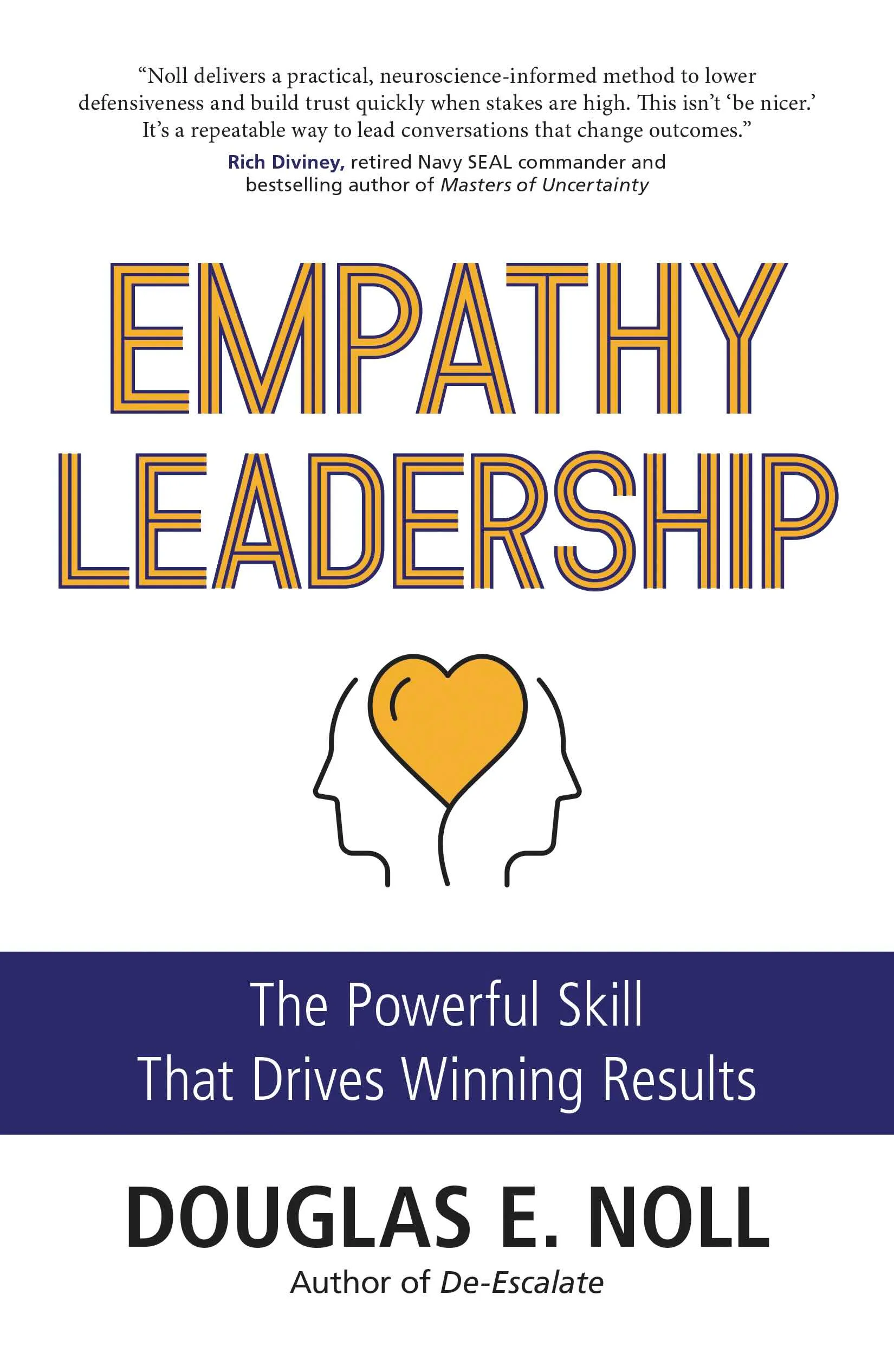
Doug Noll's new book Empathy Leadership: The Powerful Skill That Drives Winning Results covers assessing how leaders behave under challenge, which is the variable most hiring processes never test. Pre-order it on Simon & Schuster.
The four questions the firm now asks every reference
They added these after the post-mortem and they are now standard across the fund.
"Tell me about a specific time he was wrong about something significant. Walk me through what happened in the room." If the referee cannot produce an example, that is itself information.
"When someone on his team brought him bad news, what was his first question?" First questions are habitual and diagnostic. Referees remember them.
"Did people bring him problems early or late?" Almost nobody has been asked this and most referees have an immediate answer.
"Who on his team stopped speaking up, and when?" This presupposes that someone did, which gives permission. It is the highest-yield of the four.
What they also changed in the process
They added a session that is not an interview.
The candidate spends ninety minutes with two members of the existing leadership team, working an actual live problem in the business, with a partner observing and not participating.
They are not assessing the answer. They are watching what he does when one of the existing executives disagrees with him.
Three candidates have been declined on that session since it was introduced. The partner who runs it says all three were the strongest candidates on paper.
For related reads, see Handling the Brilliant Jerk and Vulnerable Leadership.
If you are underwriting a leadership bet and want to test the variable that reference calls miss, book a no-obligation Zoom call with Doug Noll.
Emotional Competence Shapes Your Influence as a Leader
This 90-second emotional competence quiz will tell you how your emotions affect the way you are treated at work and how to gain the respect and influence you deserve as a leader.
Take the Free Assessment
Doug’s Books
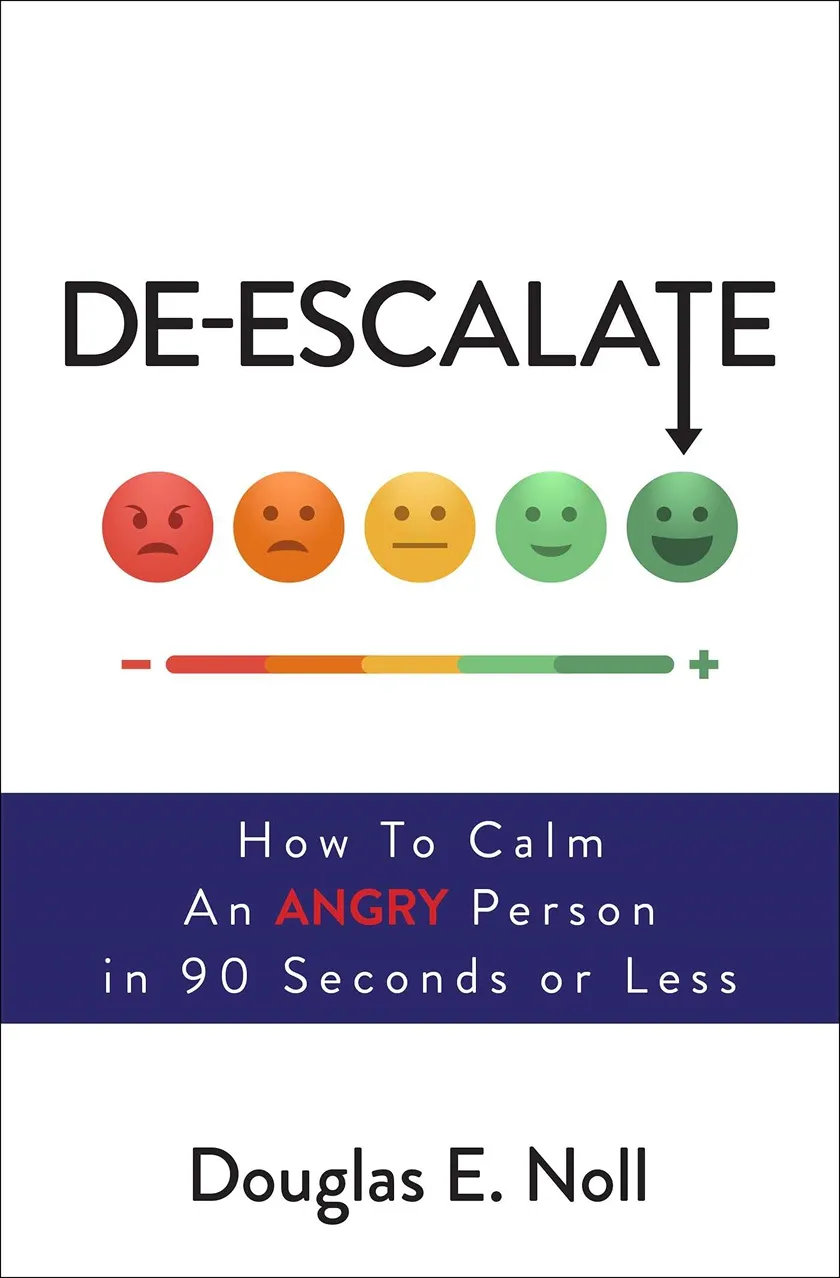
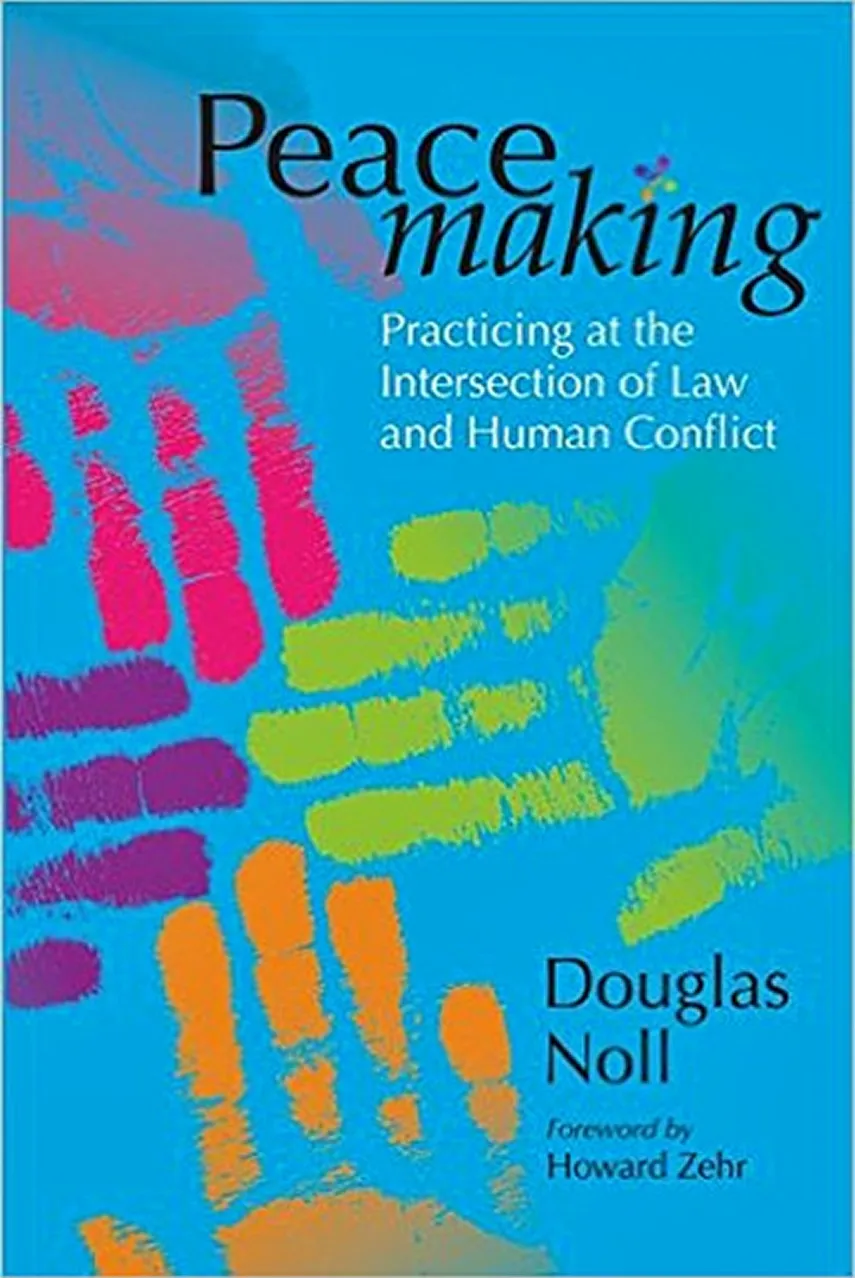
Doug has authored several books on affect labeling and emotional competency, including De-Escalate: How to Calm an Angry Person in 90 Seconds or Less, which won multiple awards and has been adopted by organizations worldwide.
More Blogs
View All


.jpg)