Surprising Things That Might Be Triggering Your Anxiety


By Guest Blogger Jennifer Scott
Anxiety comes in many forms, and it affects nearly 40 million adults in the US. While anxiety isn’t always formally diagnosed, many people understand the signs or symptoms when they feel them and can create lifestyle changes to avoid those triggers. However, events, life choices, and even the things you eat and drink can lead to negative mental health encounters. It’s important to recognize these surprising triggers so you can learn to avoid or cope with them.
It might be a good idea to keep a journal so you can write down your feelings in correlation with your activities or things that occurred. Feelings of anxiety can be personalized, meaning what works for one person may not work for another in terms of treatment; the same is also true for triggers. Sussing out the cause of your feelings can help you figure out how to feel better.
Here are tips on the things that might be causing feelings of anxiety and how to avoid them.
Keep Your Physical Health in Check
There is a strong link between your physical and mental health, so it’s important to ensure that your mind and body are in sync. When you’re overly tired or don’t get daily activity, it can make feelings of anxiety worse. Keeping yourself fit and in good shape is a great way to help ensure that your mental health remains strong, so think about how you can fit a workout into your daily routine. It’s also a good idea to take a multivitamin, which can help to fill in the gaps in your nutrition. Not only that, but it can also boost your mood and help you feel ready to tackle the day. Look for one that is easy for your body to absorb and has a variety of nutrients.
Put Down the Devices
With technology making it easier than ever for people to do just about anything from one device, it’s no wonder that we stay glued to our smartphones and have e-readers, tablets, and laptops scattered throughout our homes. All that information, however, can be detrimental to your mental health because it can be overwhelming. Not only that, the blue light that many devices emit can interrupt your sleep, leaving you tired and emotionally raw. Put down the devices several times during the day, and turn them off for good about an hour before bedtime.
Watch What You Eat
The things you eat and drink can have an enormous effect on the way you feel, both physically and mentally. Studies have shown over the years that people who consume lots of sugar, alcohol, processed foods, and caffeine have higher instances of depression or anxiety, so be careful about what you’re consuming. On the flip side, adding nuts, fish, and whole grains to your diet can help boost your energy and reduce those negative feelings. Chamomile tea has been shown to have anxieti-reducing effects.
Practice Self-Care
One surprising factor in anxiety is an individual’s age. As we get older, we face many life changes, health issues, and major events, such as the death of loved ones. All of these things can bring about anxiety, so it’s important to take care of yourself. Reduce stress where you can, practice hobbies that bring you joy, and form a support system of friends and family members. If you have feelings of sadness that you just can’t shake or feel overwhelmed by activities that used to come easily — such as driving — it might be a good idea to talk to a therapist or counselor. For more information about depression, go here.
Anxiety can feel like a very isolating thing, especially if it occurs when you’re in social situations. Take heart in knowing that many people are living with similar feelings, and if you can find ways to minimize stress, you’ll begin to feel better almost immediately.
Emotional Competence Shapes Your Influence as a Leader
This 90-second emotional competence quiz will tell you how your emotions affect the way you are treated at work and how to gain the respect and influence you deserve as a leader.
Take the Free Assessment
Doug’s Books
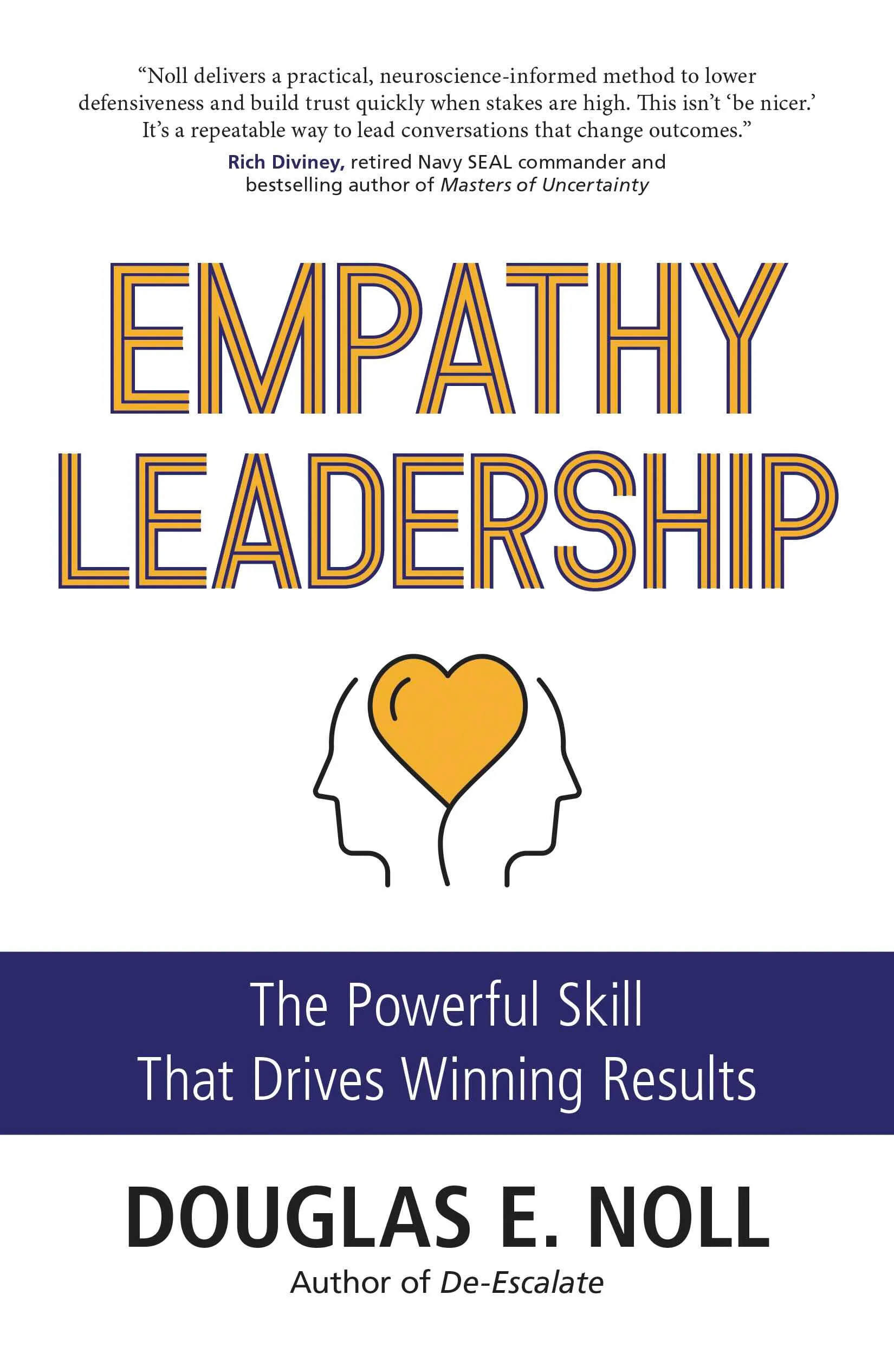
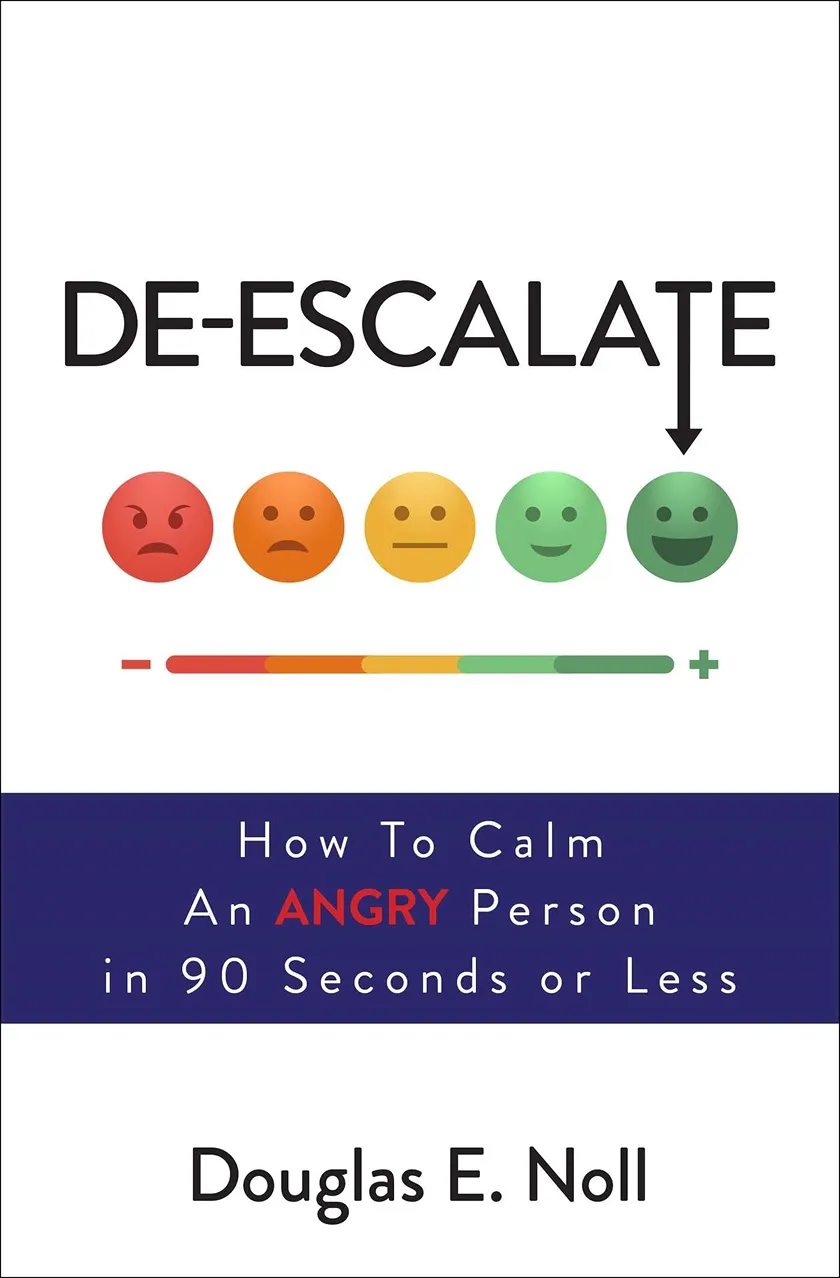
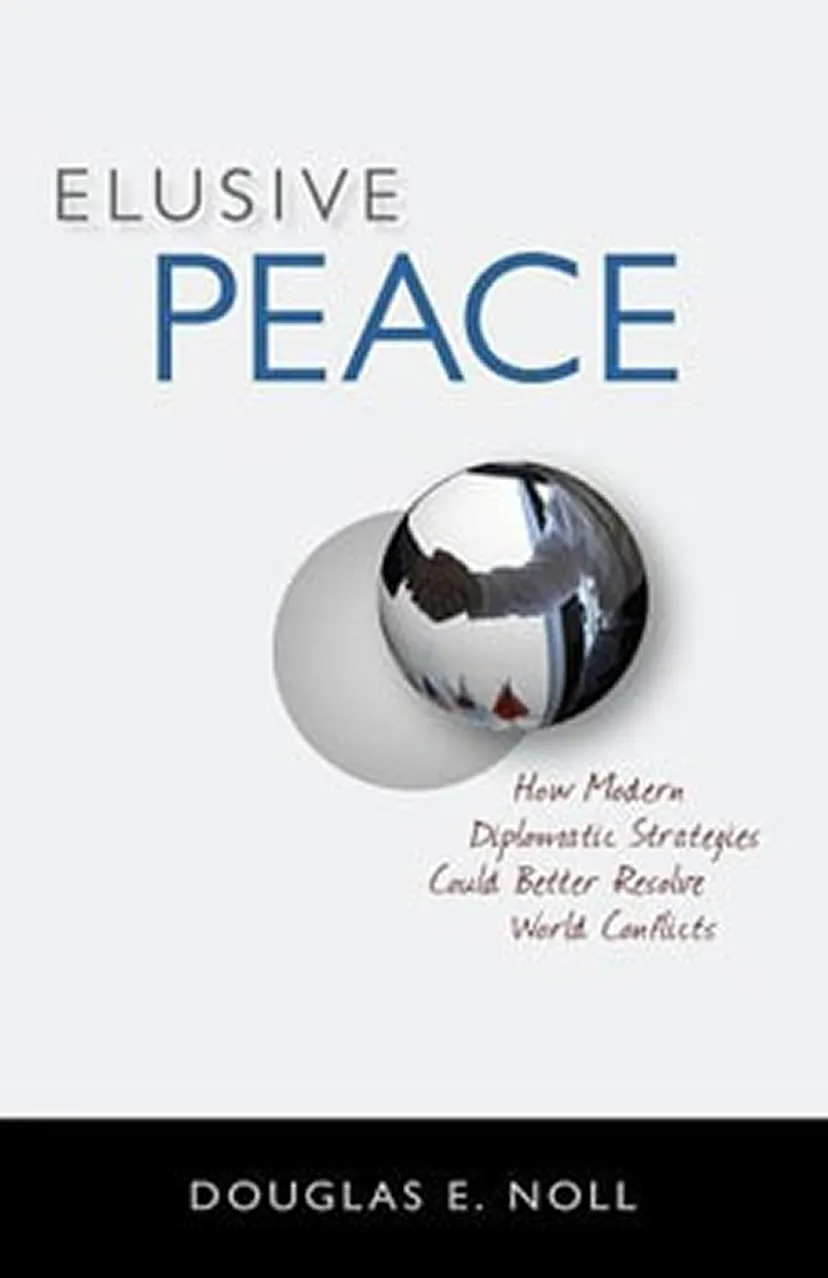
Doug has authored several books on affect labeling and emotional competency, including De-Escalate: How to Calm an Angry Person in 90 Seconds or Less, which won multiple awards and has been adopted by organizations worldwide.


More Blogs
View All

October 22, 2026
4 Critical Failures of Most Corporate Mediation (and the Approach That Works)
Read Blog

October 22, 2026
What Leading With Empathy Looks Like in a Hard Quarter: 5 Executive Examples
Read Blog
October 21, 2026
The 6 Essential Elements of Empathy Training for Managers That Actually Sticks
Read Blog