The 6 Essential Elements of Empathy Training for Managers That Actually Sticks

The regional VP of a mid-market insurer sent the exact same email in October 2024 and October 2026.
Both times, the content was a summary of why the last empathy training programme had not changed how her district managers handled difficult client conversations. Both times, she had sat through the exit survey review and watched satisfaction scores that bore no relation to the behaviour she was observing in the field. Both times, she had been told it was a question of time. Behaviour change takes time.
By October 2026 she had run two more programmes with the same result. The pattern was not time. The pattern was a design flaw she could not name but could feel.
Here are the six essential elements of empathy training for managers that actually sticks past the first difficult conversation. If a programme is missing more than one of these, it will do what hers did.
1. The protocol is specific enough to be rehearsed, not just explained
"Show empathy" is not a protocol. "Acknowledge the feeling the other person is having, name it in a short declarative sentence, pause for at least three seconds, then ask one specific question" is a protocol. The difference is that the second one can be rehearsed. The first one can only be hoped for.
Managers do not need concepts. They need something they can do with their mouth and body in the next hard conversation. The training should produce behaviour, not vocabulary.
2. The rehearsal happens with a trained resistant partner, not a cooperative peer
Peer role-play produces polite exchanges that bear no resemblance to the conversations managers face. The partner in rehearsal should be trained to resist, to activate the manager's nervous system in the way a real difficult employee would, and to push back on the protocol until the manager can hold it under pressure.
This is uncomfortable training. That is the point. The behaviour has to be practised in conditions similar to the ones it will be used in, or it does not transfer.
3. The sequence runs over four to six months, with specific practice assignments between sessions
Single-event training is the single most reliable way to produce no behaviour change. The research is unambiguous. Managers need multiple exposures to the protocol, with real-world practice assignments between sessions, and specific debriefs on what happened.
A workshop is useful for exposure. It is not sufficient for change. The sequence matters more than the content density of any individual session.
4. The manager's own leader is in the system, not just the manager
A trained manager whose own director has not been trained will revert to baseline inside three months. The protocol only survives if the people above the trained group recognise it, respond to it, and ideally use it themselves.
The cheapest way to run this is to train the leader cohort first, two to three months before training the manager layer. By the time the managers come back from training, the leaders above them are ready to reinforce the behaviour rather than default to the old pattern.
If a 15-person team is losing an hour a day to one unresolved thing, that is roughly $280,000 a year on standard productivity rates. The exact number for your team is a two-minute input in Doug's cost of conflict calculator.
5. The measurement is behavioural, measured by observation, not by survey
Self-report is close to useless for emotional intelligence training. Participants rate themselves higher post-training regardless of actual behaviour change. The data confirms the programme worked whether or not it did.
Behaviour-based measurement requires trained observers watching sampled real meetings in month three, month six, and month twelve. The data is more expensive and more honest. Programmes that produce real behaviour change can be measured this way. Programmes that do not, cannot.
If a vendor cannot or will not propose observational measurement, the programme is not accountable to its own purpose.
6. The protocol was tested in environments where the stakes were real
A protocol designed in a classroom and tested in a classroom does not scale to a difficult quarterly review, a termination conversation, or a client-facing crisis. The protocols that scale were tested somewhere they had to work.
Legal mediation. Clinical de-escalation. Hostage negotiation. Prison work. The specific environment matters less than whether failure in that environment had consequences the protocol had to accommodate.
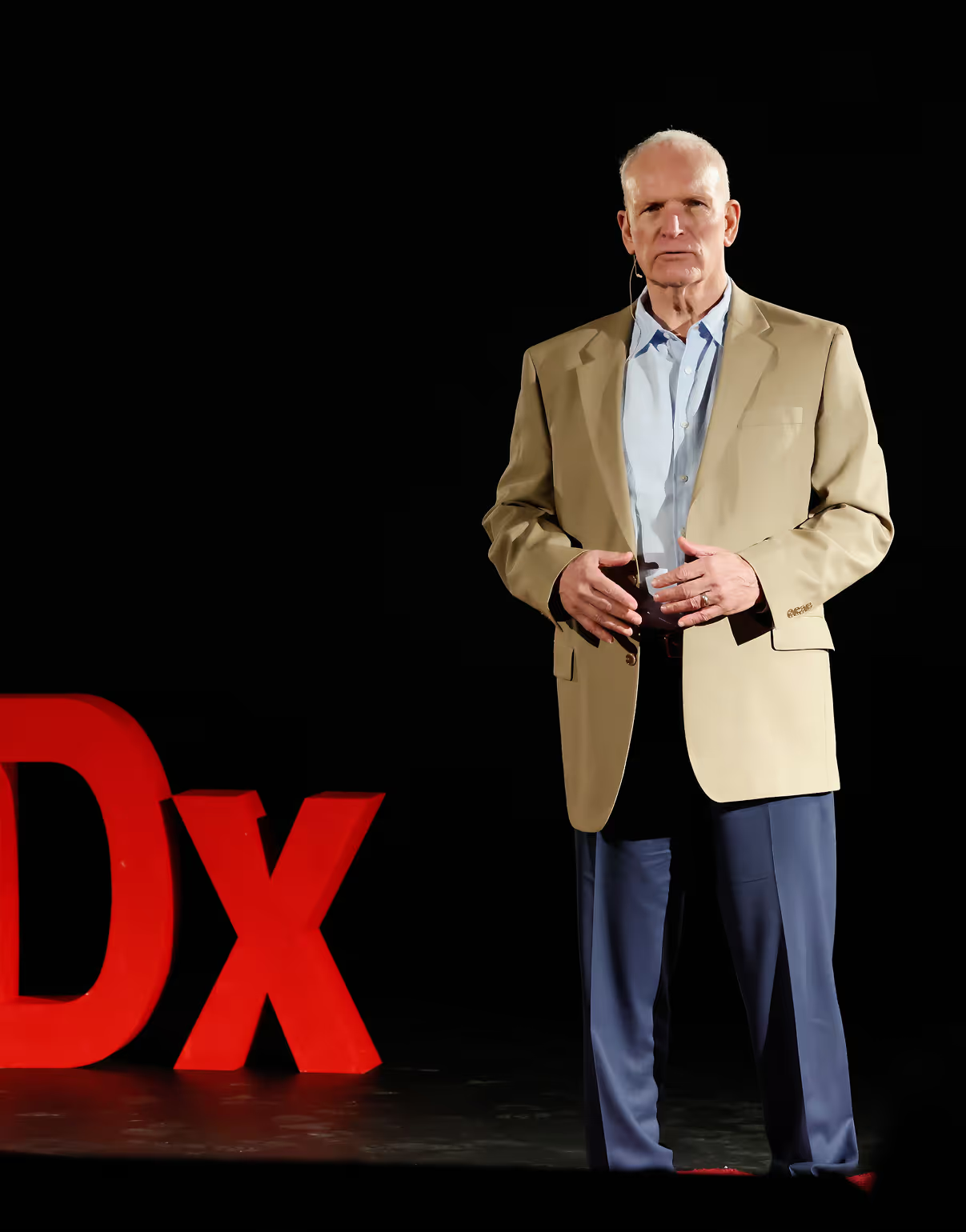
Doug Noll teaches Decision-Making Under Stress and Conflict at Pepperdine's Straus Institute. The affect labeling protocol he trains corporate managers in was first tested in maximum security prisons through the Prison of Peace Project, now active in 15 California facilities. It produces behaviour change in a workforce because it was built for environments where the alternative was physical.
If you're evaluating whether to equip your leadership layer with a programme that holds past Monday, Doug runs a 20-minute diagnostic call before any proposal. Book 20 minutes with Doug.
The honest conversation the VP had with her CFO
She went into the November budget conversation with a specific ask. Half the previous programme budget. A twelve-month sequence. Measurement by observed behaviour. Vendor accountable to one number: percentage of district managers who demonstrably used the protocol in a sampled difficult conversation at month six.
The CFO asked whether she thought this one would work. She said she did not know, but she knew why the last four had not, and this one was designed to avoid the specific failure modes.
He signed off. She is six weeks in. The next data point is in April.
For related reads, see why empathy training in the workplace fades by month three and the six questions to ask before buying conflict resolution training.
Empathy training for managers that sticks has these six elements. Programmes that are missing more than one usually fail in the way the VP's four previous programmes failed. The variable is design, not time.
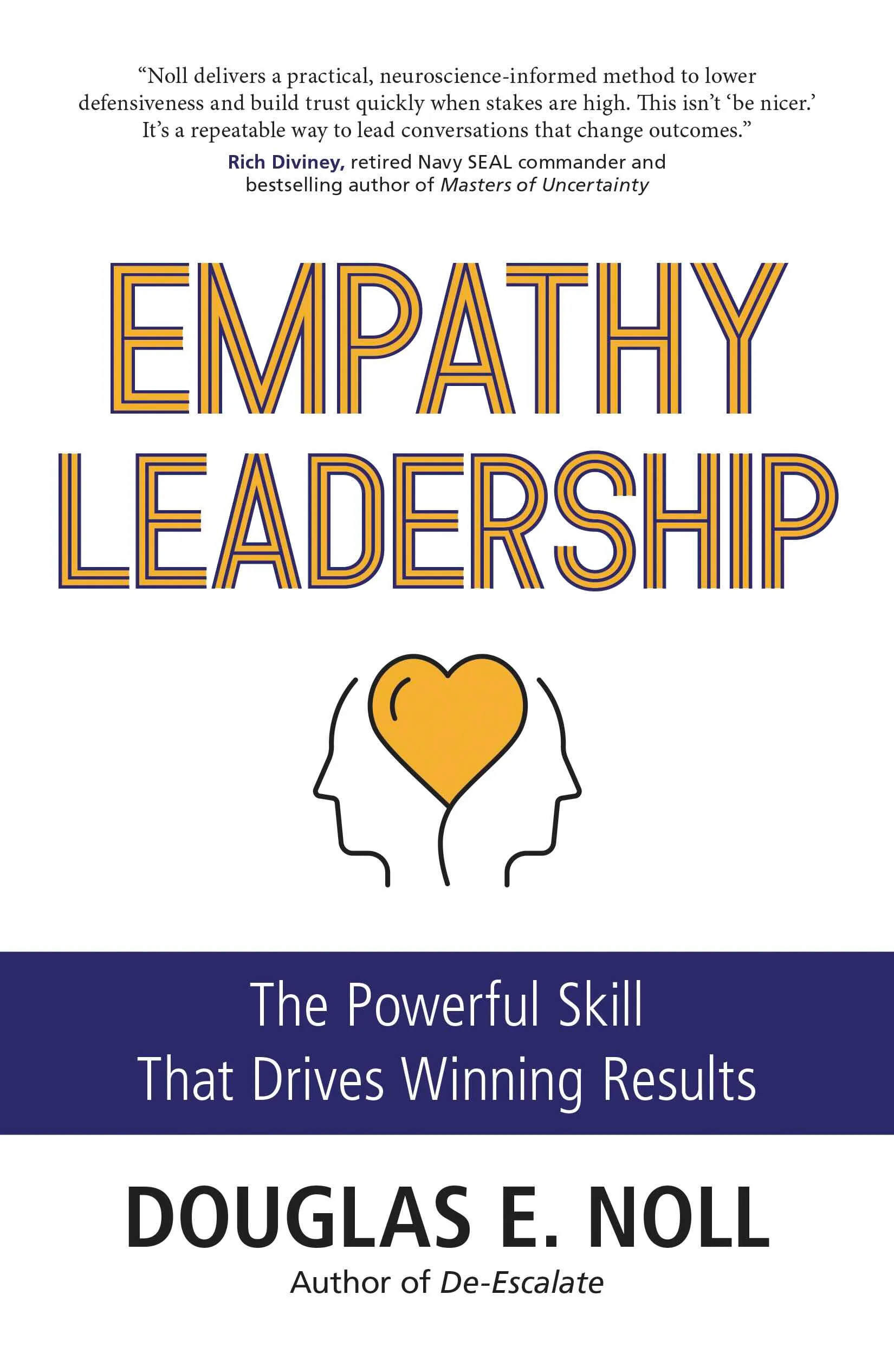
Empathy Leadership: The Powerful Skill That Drives Winning Results is out now. Order on Amazon, or if a 20-minute call would be more useful, Doug's calendar is here.
Emotional Competence Shapes Your Influence as a Leader
This 90-second emotional competence quiz will tell you how your emotions affect the way you are treated at work and how to gain the respect and influence you deserve as a leader.
Take the Free Assessment
Doug’s Books
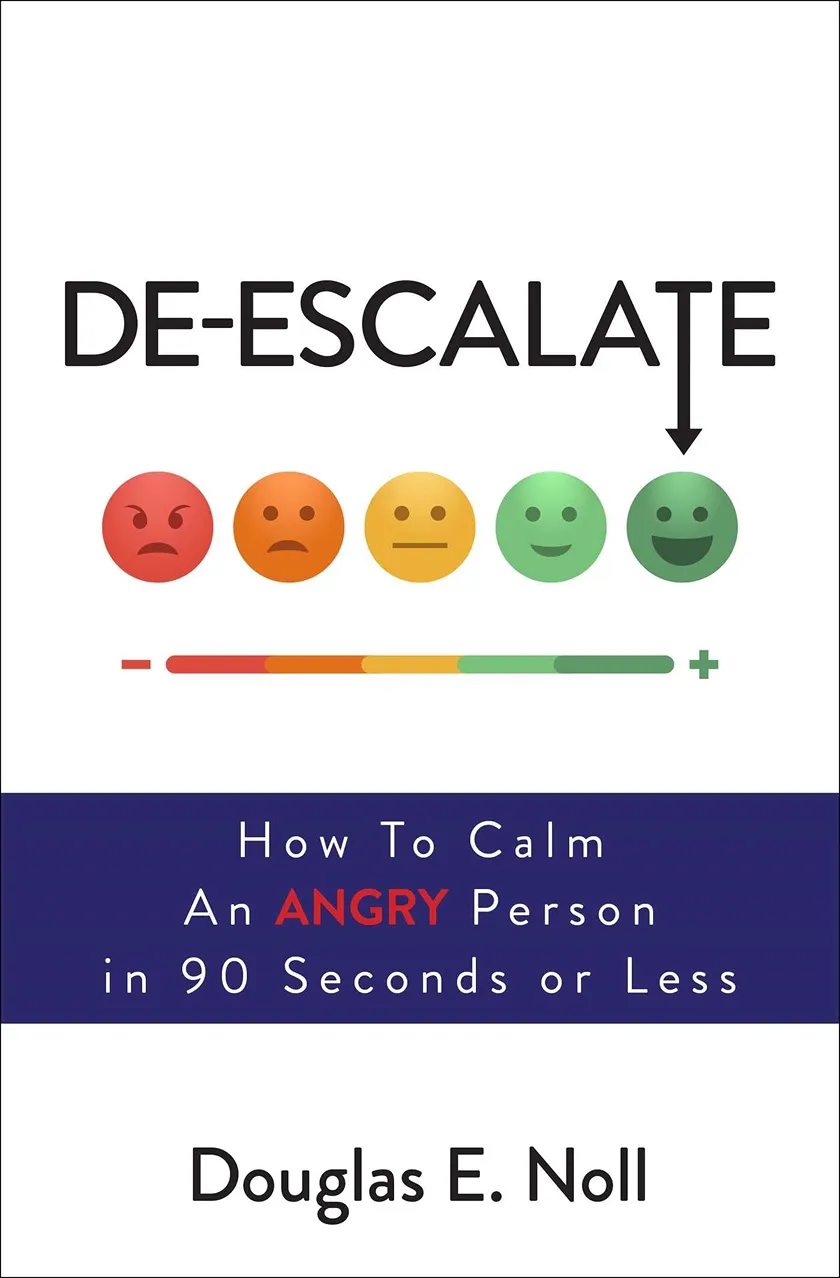
Doug has authored several books on affect labeling and emotional competency, including De-Escalate: How to Calm an Angry Person in 90 Seconds or Less, which won multiple awards and has been adopted by organizations worldwide.
More Blogs
View All

October 21, 2026
5 Hidden Reasons Empathy Training in the Workplace Fades by Month Three
Read Blog

October 20, 2026
7 Powerful Things to Look For in Empathy Training for Leaders
Read Blog

October 20, 2026
What Corporate Emotional Intelligence Training Actually Changes (and the 6 Programmes That Fail)
Read Blog