What Corporate Emotional Intelligence Training Actually Changes (and the 6 Programmes That Fail)


The programme ran for eleven weeks, cost $340,000, and scored 4.6 out of 5 on the exit survey.
By March the Director of Learning was in her CFO's office trying to explain why the metrics the programme was meant to move had not moved. Retention was flat. Manager-rated psychological safety was down two points from baseline. The CEO had asked, in the kind of casual way that is not casual, whether anyone had actually been using what they learned.
She had the answer by week fourteen when she walked the manager floor and asked. The vocabulary was there. The frameworks were on the wall. The behaviour was unchanged.
This is the pattern most corporate emotional intelligence training follows. It teaches the right content, scores well, and dies on contact with Monday morning. The gap between the programme and the behaviour is where retention budgets quietly go to die.
Why the standard model fails
Most corporate emotional intelligence training is designed around knowledge transfer. The theory is that if a manager understands the amygdala, understands cognitive reappraisal, understands affect labeling, they will deploy those concepts in the moment they are needed.
The theory is wrong, and the mechanism of the failure is specific.
The moment a manager actually needs emotional intelligence is the moment their own nervous system is activated. Cortisol has risen. Working memory has contracted. The parts of the brain that would retrieve the content from the training are the parts that are offline. The manager reverts to whatever response they had before the training, because conscious retrieval of new behaviour does not survive high arousal.
Knowledge-based training produces articulate failure. The manager can explain what they should have done, after they didn't do it.
The six failure modes
The programmes that fade have most of these in common.
They teach vocabulary before practice. The team learns to say "I can see you're frustrated" without ever rehearsing the physical pause that makes the sentence land. The words appear. The regulation does not.
They run as a single intensive event. A two-day workshop or a four-week sprint produces a spike in self-reported capability and a return to baseline within six weeks. Behaviour change requires spaced repetition over months, not immersion.
They assess with surveys, not observation. Participants rate the programme and themselves. Nobody rates the actual behaviour change in actual conversations. The programme passes its evaluation while failing its purpose.
They skip the leadership layer. The managers are trained. Their directors are not. The managers try to use what they learned, their directors respond the way they always have, and the managers stop trying inside two months.
They avoid conflict in the training itself. The exercises are clean, consensual, and safe. The real conversations managers face are messy, non-consensual, and threatening. The programme content does not transfer to the environment it was built for.
They never involve the CFO. The programme has no number attached to it, so it has no claim on the next budget cycle and no political defence when something has to be cut.
If a 15-person team is losing an hour a day to one unresolved thing, that is roughly $280,000 a year on standard productivity rates. The exact number for your team is a two-minute input in Doug's cost of conflict calculator.
What a programme that holds does differently
The programmes that hold past month three share four design decisions.
They train the physical response before the vocabulary. Managers rehearse the three-second pause before they rehearse any sentence. The pause is the capability. The sentence is the symptom.
They involve the leadership layer above the trained group. If a VP is going through the programme, their SVP goes through at least an abridged version in parallel. The behaviour has somewhere to land when it comes back from the workshop.
They assess in observation, not survey. A trained observer sits in on a sample of real team meetings in month three and month six. The data is behavioural, not self-reported.
They give the CFO a number from week one. Baseline retention, baseline time-to-decision on cross-functional calls, baseline manager-reported friction. The programme reports against those numbers quarterly. When the next budget cycle arrives, the programme has evidence, not vibes.
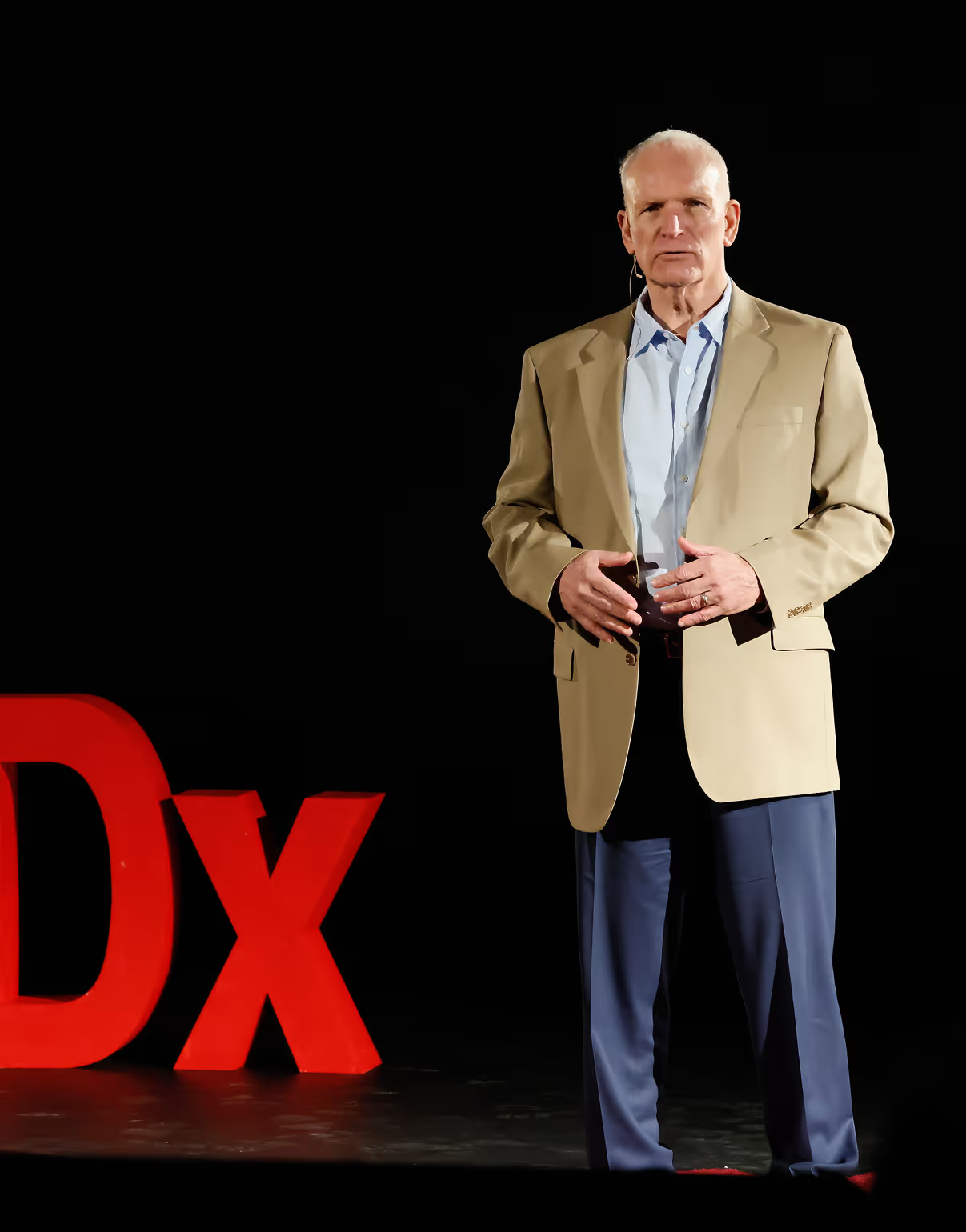
Doug Noll teaches Decision-Making Under Stress and Conflict at Pepperdine's Straus Institute, has mediated complex business disputes for 25 years, and co-founded the Prison of Peace Project, now active in 15 California prisons. His approach is built around the specific moment the standard model fails: the moment a leader's own nervous system is activated and the content they learned becomes inaccessible.
If you're evaluating whether to equip your leadership layer with a programme that holds past Monday, Doug runs a 20-minute diagnostic call before any proposal. Book 20 minutes with Doug.
The question to ask the next vendor
Before you sign another corporate emotional intelligence training contract, ask the vendor one question.
"What specifically changes about how my managers behave in a real conflict six months after the programme ends, and how will you measure it?"
Most vendors will answer with the content they teach. That is the wrong answer. The right answer names a specific observable behaviour and a specific measurement mechanism that does not depend on self-report.
If a vendor cannot answer that question with specificity, the programme will do what the last one did. It will score well. It will change nothing. The CHRO will be back in the CFO's office in twelve months, trying to explain why retention is still flat.
For related reads, see what empathetic leadership training that holds past Monday actually looks like and the signs of corporate emotional intelligence that actually move numbers.
The gap between the training that gets bought and the training that works is the specific design decisions above. The programme that holds is the one built for the moment the manager's nervous system is on fire, not the moment they are sitting comfortably in a training room.
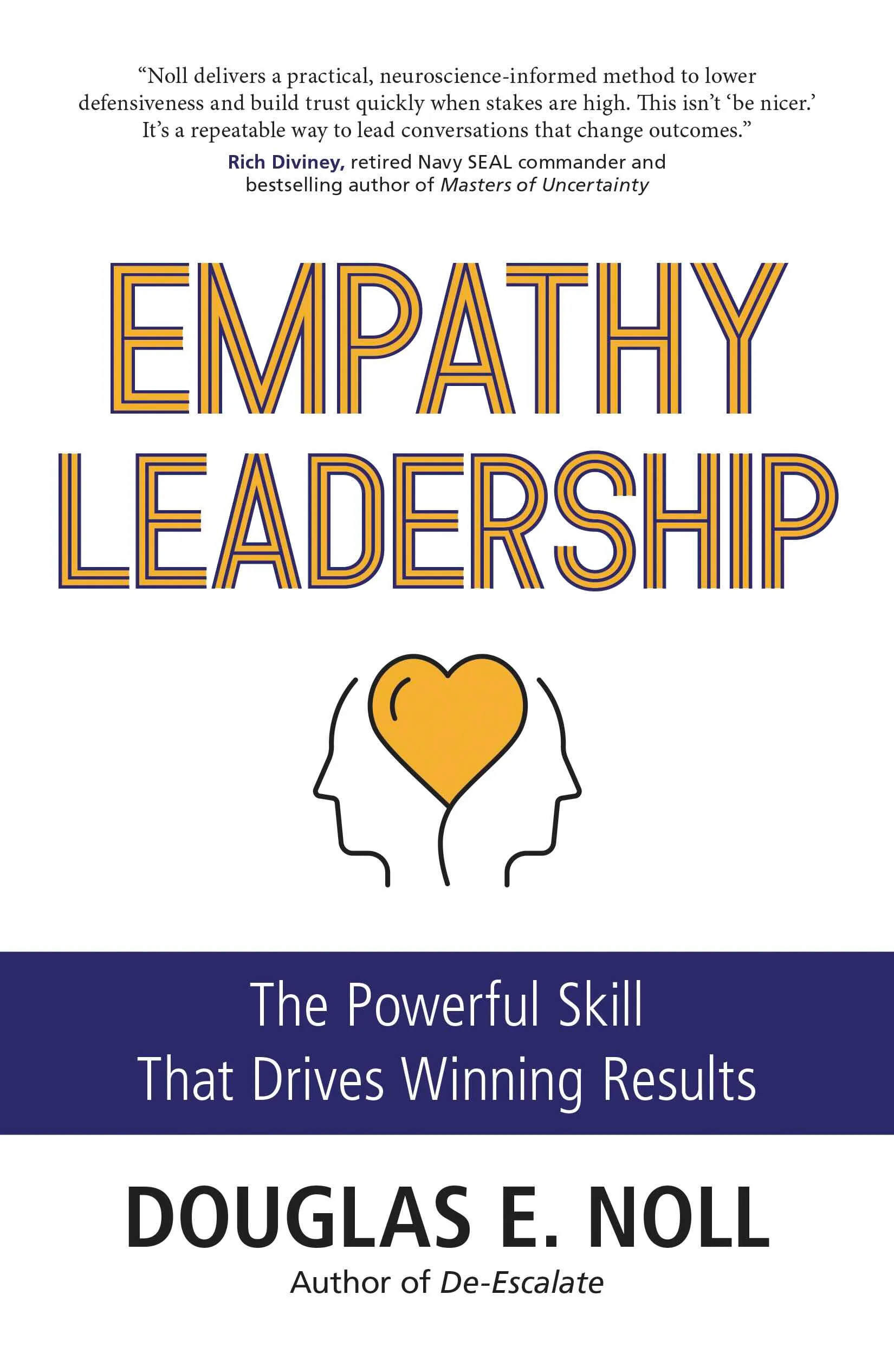
Empathy Leadership: The Powerful Skill That Drives Winning Results is out now. Order on Amazon, or if a 20-minute call would be more useful, Doug's calendar is here.
Emotional Competence Shapes Your Influence as a Leader
This 90-second emotional competence quiz will tell you how your emotions affect the way you are treated at work and how to gain the respect and influence you deserve as a leader.
Take the Free Assessment
Doug’s Books
Doug has authored several books on affect labeling and emotional competency, including De-Escalate: How to Calm an Angry Person in 90 Seconds or Less, which won multiple awards and has been adopted by organizations worldwide.