What This Looks Like When the CEO Is the Problem


She asked it in a separate, private call, after the main scoping conversation had already ended. "I need to ask this without anyone else on the line. The behavior actually driving most of our turnover is the CEO's. He interrupts, he dismisses concerns, he's the pattern this entire program would need to change. What does this look like when the person who needs it most is also the person paying for it and running the company?"
It is a common question, more common than most vendors admit, and it deserves a straight answer rather than a diplomatic dodge.
Where the question comes from
A CHRO in this position carries real risk simply by raising the issue. Naming a CEO's behavior as the root cause, even privately and even accurately, can jeopardize her own standing if it is not handled carefully. Her caution was not evasiveness. It was an appropriate read of the actual power dynamics she operates inside.
Her real question underneath the question was whether the engagement had any realistic mechanism for reaching a person who, by definition, has no one above him in the organization applying the normal pressure that changes behavior lower down the chart.
How much is one unresolved conflict really costing your company?
The honest answer
The honest answer is that a CEO can absolutely do this work, and the fact that no one reports to him does not remove the mechanism, it just removes one of the usual pressures that gets a person to start. What actually gets a CEO to engage honestly is rarely organizational pressure. It is a specific, concrete cost he can see clearly, tied to something he already cares about, delivered by someone he trusts enough to hear it from directly.
The board is often the more effective entry point than HR in this specific situation, not because HR lacks standing, but because a board member raising a direct financial cost, tied to a specific resignation or account loss the CEO cannot easily dismiss, carries a different weight than the same observation coming from inside his own reporting structure. The honest caveat is real: if no board member is willing to raise it, and the CEO has no external pressure at all, the odds of him engaging seriously are genuinely lower, and that is worth naming plainly rather than promising a guaranteed fix.
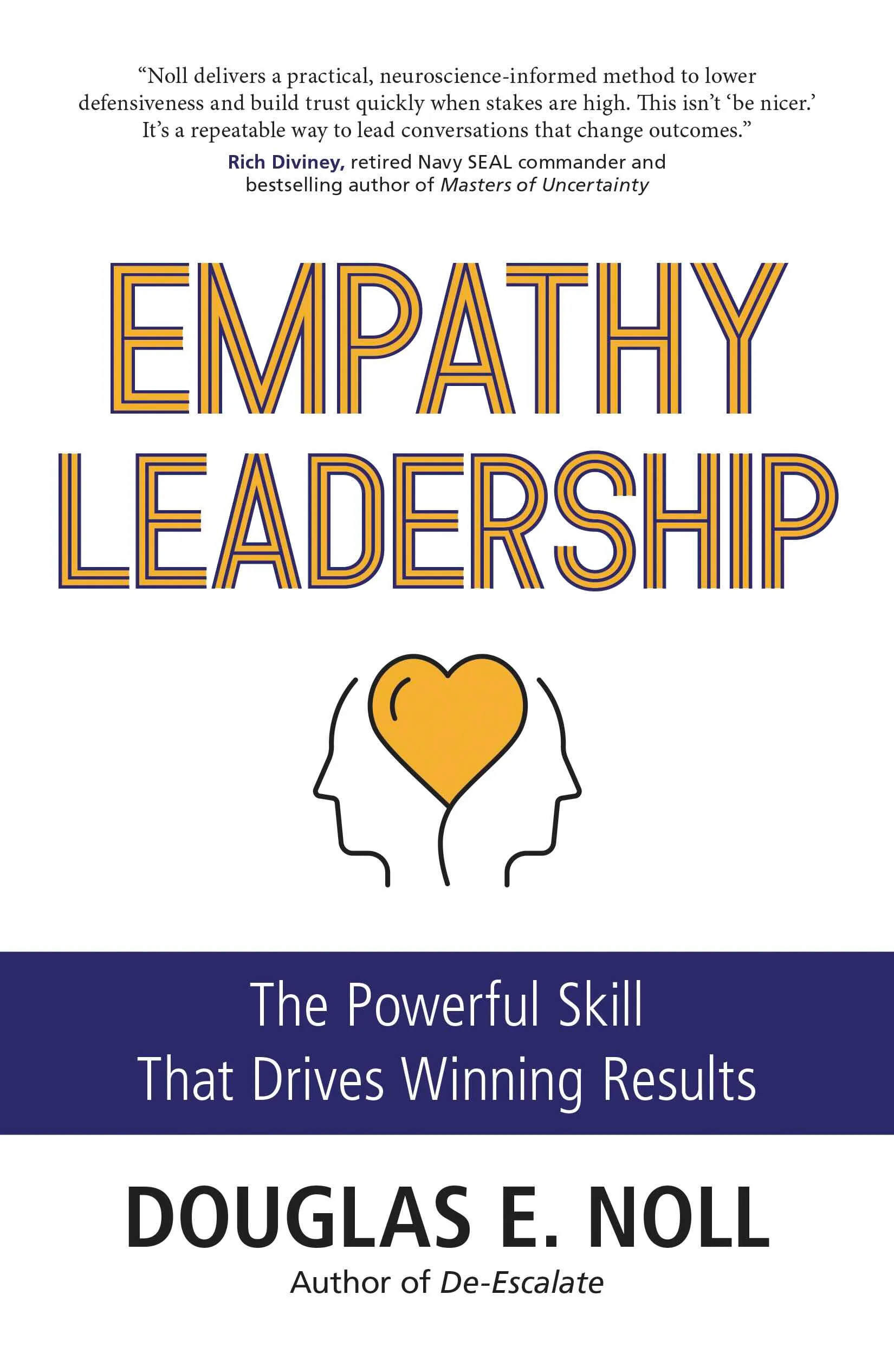
Doug Noll's new book Empathy Leadership: The Powerful Skill That Drives Winning Results lays out how this work actually reaches a CEO who has no one above him applying the usual pressure. See it here.
What to say when someone still pushes back
If the CHRO asks what she can personally do without a supportive board member available, the direct answer is to start smaller and closer to home. "Bring him one specific, recent, undeniable cost, not a pattern, one concrete resignation or account loss you can trace directly to a moment he was in the room for. A CEO who won't respond to a pattern will often respond to one sharp, specific fact he can't argue with."
It is not a guaranteed path, and it should not be presented as one. It is, however, a more honest and more effective starting point than a general appeal to culture, which is precisely the kind of appeal a CEO exhibiting this pattern has usually already learned to deflect.
Emotional Competence Shapes Your Influence as a Leader
This 90-second emotional competence quiz will tell you how your emotions affect the way you are treated at work and how to gain the respect and influence you deserve as a leader.
Take the Free Assessment
Doug’s Books
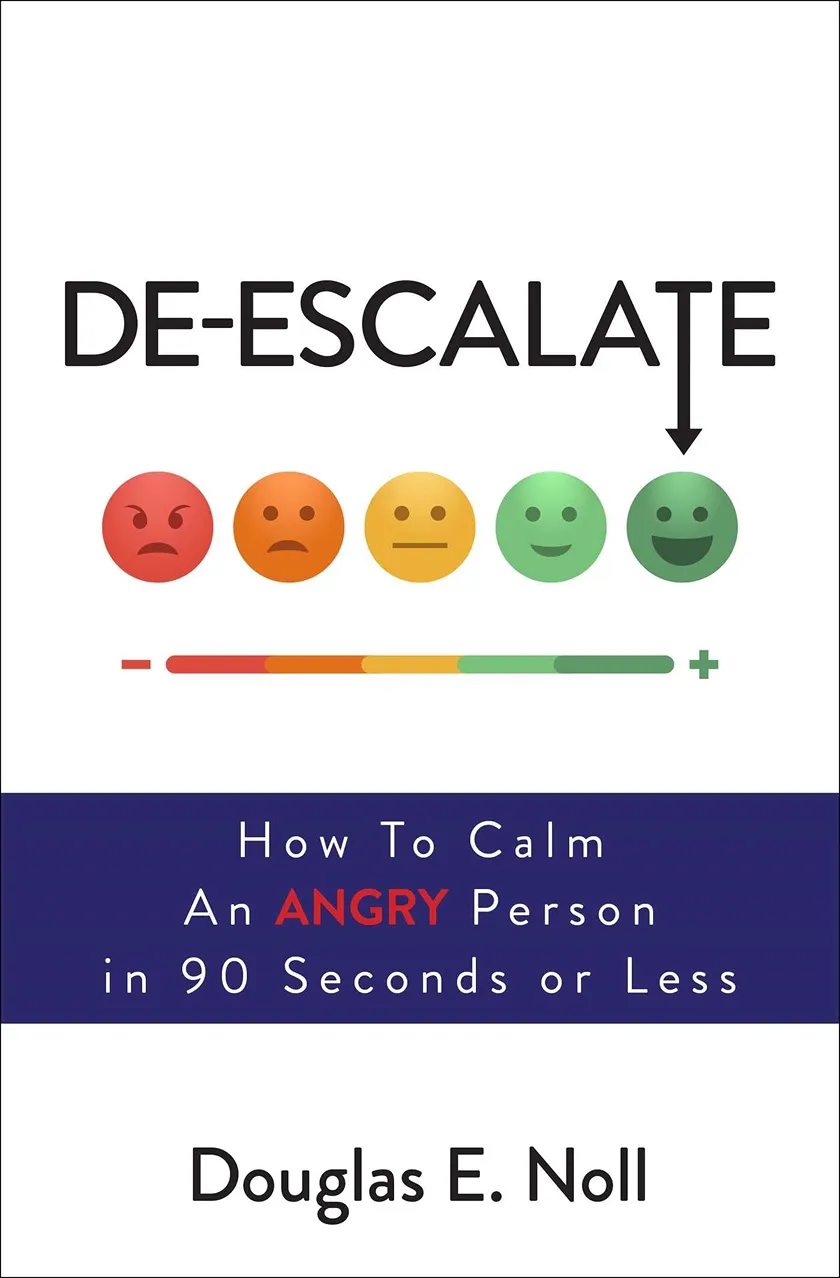
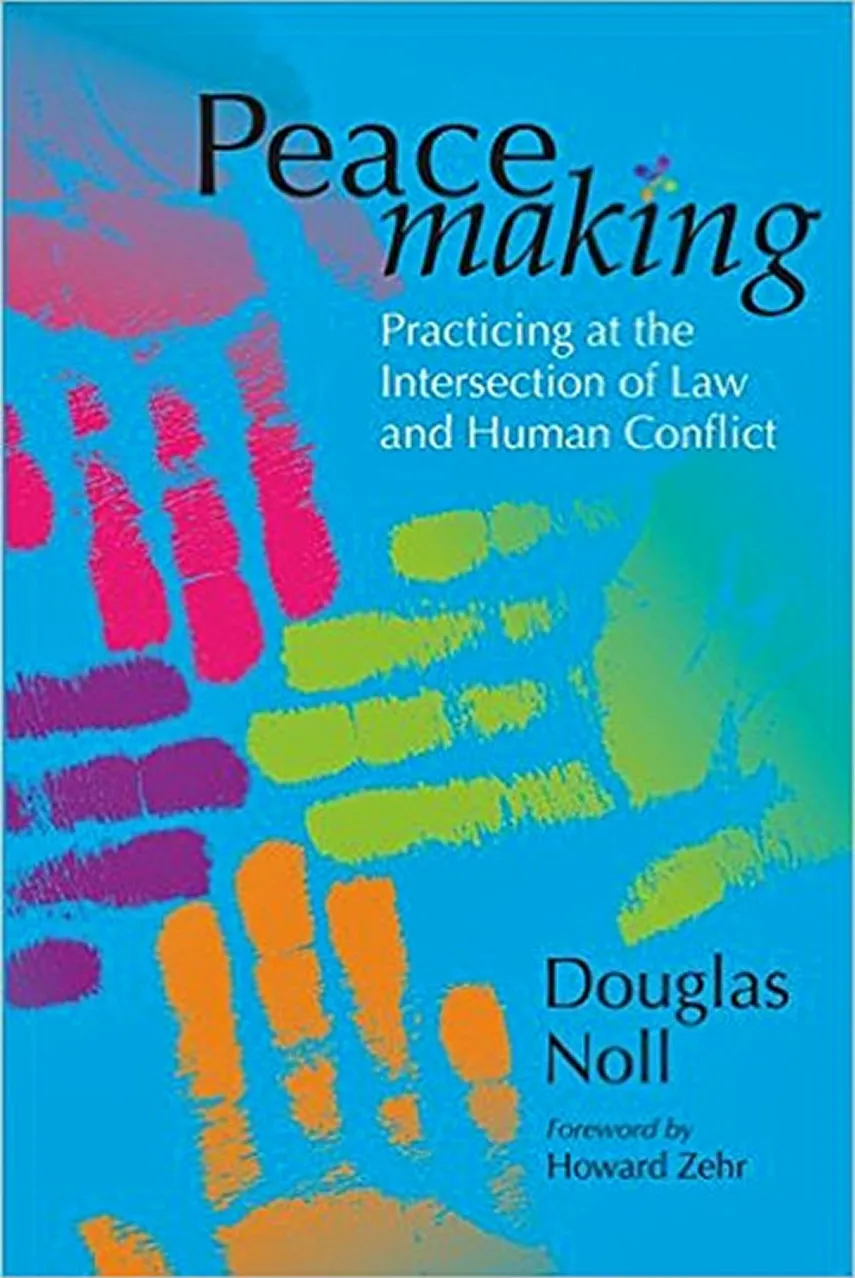
Doug has authored several books on affect labeling and emotional competency, including De-Escalate: How to Calm an Angry Person in 90 Seconds or Less, which won multiple awards and has been adopted by organizations worldwide.