What Emotion Regulation for Executives Actually Looks Like: 4 Proven Protocols


The quarterly board meeting was going to decide whether the acquisition closed.
The CEO had rehearsed every slide. He had rehearsed every anticipated question. What he had not rehearsed was his own physiological response when the lead director asked, in week six of diligence, whether he was prepared to walk away if the terms worsened. The question caught him in a specific way, and he answered it badly, and the deal got repriced by two percent as a result.
Emotion regulation for executives is not meditation. It is not calm as a trait. It is a specific set of protocols that fit inside a high-stakes conversation without anyone noticing you used them. Here are the four tested in boardrooms, M&A tables, and legal mediation over 25 years.
1. The three-second pre-response pause
The simplest protocol and the most reliable. Before responding to any question that lands with physiological heat, say one short sentence that buys three seconds. "Let me think about that for a moment." "Give me a second with that one."
The content of the sentence is irrelevant. The three seconds matter. In those three seconds, the amygdala's initial threat response starts to settle, blood flow partially returns to the prefrontal cortex, and the response that comes out next is substantially better than the response that would have come out immediately.
Three seconds is enough. Longer feels theatrical. Less does not do the work.
This protocol has one requirement. The executive has to be aware they are heated. The signal is physical: the throat tightens, the breath shortens, the shoulders rise. Learning to notice the signal is 80 percent of the protocol. Learning to deploy the sentence is the other 20 percent.
2. The silent affect label
When another person in the room is dysregulated, the standard executive response is to escalate matched energy or to retreat. Neither works. The protocol that works is naming the emotion to yourself, silently, before responding.
"He is afraid of what this quarter looks like publicly."
"She is angry that the committee overrode her recommendation."
"They are both exhausted and the exhaustion is driving most of the resistance."
This is affect labeling pointed at the other party. The research is specific: naming an emotion, even silently, reduces its influence on your own response. Your own nervous system drops a few notches. The response you produce is addressed to the actual state in the room, not to the surface content.
If an executive team is losing six hours a week to one unresolved tension between two senior leaders, that is roughly $125,000 a year at exec hourly rates. The exact number is a two-minute input in Doug's cost of conflict calculator.
3. The physical reset between adjacent conversations
Executives routinely move from a high-stakes meeting straight into another meeting without any physical reset. The cortisol from the first meeting carries into the second. The second meeting is run by an executive whose nervous system is still processing the first one. Decision quality degrades across the day in a measurable way.
The protocol is simple. Between adjacent meetings, 90 seconds of specific breathing. Six-second inhale through the nose. Eight-second exhale through the mouth. Do this five times. The vagus nerve is engaged by the extended exhale, parasympathetic tone returns, baseline resumes.
This is not relaxation. It is a nervous system reset. It takes 90 seconds and it changes the quality of the next hour.
Executives who adopt this report that their third and fourth meetings of the day become materially better than they used to be. The data on their decision quality supports the report.
4. The post-event write-up
The highest-return protocol and the one executives do least. After any conversation that went badly, within an hour, write four sentences in a private file.
First sentence: what happened physically in you before you responded.
Second sentence: what you actually said.
Third sentence: what you would have said if you had been regulated.
Fourth sentence: the specific signal you would notice next time, earlier, that would allow you to deploy a protocol.
This is private pattern-recognition work. Over 30 to 60 instances, the executive starts to see their own patterns and to catch them earlier. The protocols above become automatic because the executive has mapped the terrain of their own dysregulation.
This work does not happen in group training. It is personal and continuous, and it is what distinguishes executives who develop real emotion regulation over years from executives who attend emotion regulation workshops and remain exactly as reactive as they were.
Doug Noll teaches Decision-Making Under Stress and Conflict at Pepperdine's Straus Institute, has mediated complex business disputes for 25 years, and co-founded the Prison of Peace Project. The four protocols above are the ones he teaches to executives who need the capability in high-stakes conversations where meditation apps are not an option.
Doug runs a quarterly Roundtable with six to eight founders working the same leadership-room problem in one room. The next one is $7,500 a seat. See if the Roundtable fits.
The CEO's second board meeting
He went into the next quarterly having practised the three-second pause and the between-meeting reset for six weeks. The lead director asked the same question in a different form. The CEO deployed the pause, answered differently, and the deal closed at the original terms. The 90 seconds he spent on the reset before the meeting was worth more than the two percent he had lost in the previous one.
For related reads, see what emotional mastery for leaders looks like in a boardroom crisis and seven reasons emotional intelligence in the c-suite fails the pressure test.
Emotion regulation for executives is not a personality trait. It is four protocols, deployed consistently, by people who have decided their next decision is worth the 90 seconds.
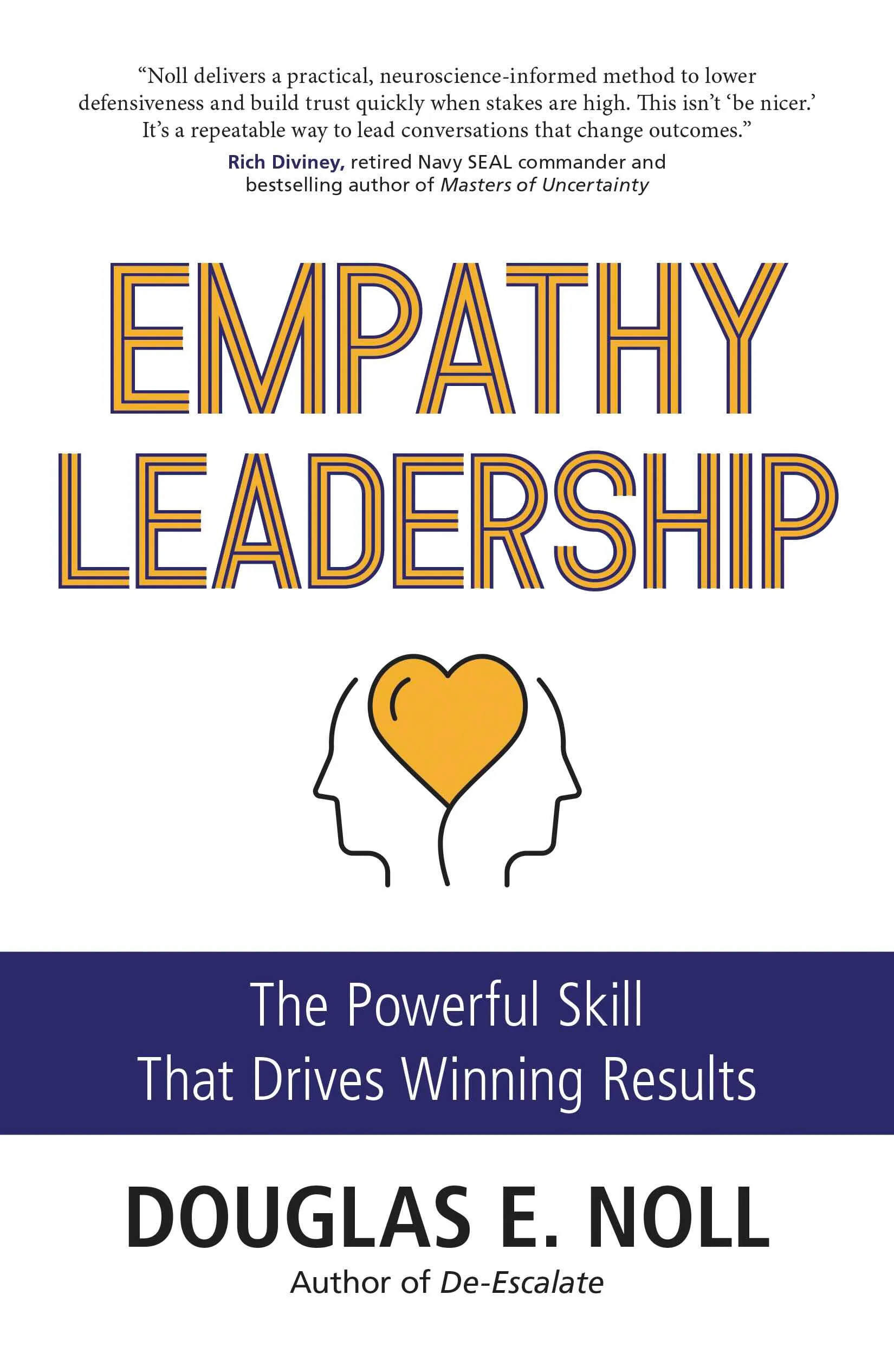
Empathy Leadership: The Powerful Skill That Drives Winning Results is out now. Order on Amazon, or if a 20-minute call would be more useful, Doug's calendar is here.
Emotional Competence Shapes Your Influence as a Leader
This 90-second emotional competence quiz will tell you how your emotions affect the way you are treated at work and how to gain the respect and influence you deserve as a leader.
Take the Free Assessment
Doug’s Books
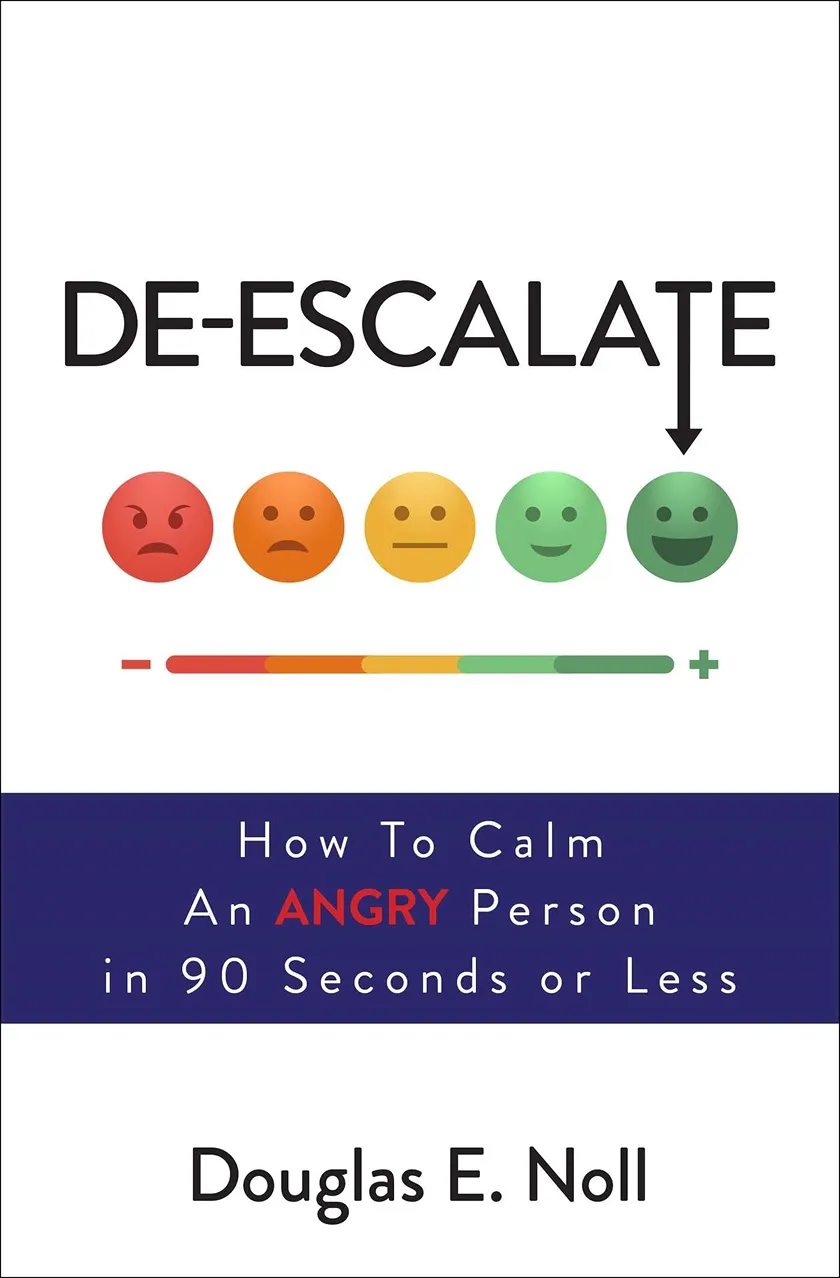
Doug has authored several books on affect labeling and emotional competency, including De-Escalate: How to Calm an Angry Person in 90 Seconds or Less, which won multiple awards and has been adopted by organizations worldwide.

More Blogs
View All