7 Powerful Things to Look For in Empathy Training for Leaders


The RFP produced seventeen vendors.
Eight dropped out after the first screening call. Four were obviously selling the same programme under different branding. Three were impressive but priced for enterprise budgets this CHRO did not have. That left two, and they looked almost identical on paper.
She had been through this exercise twice before. Both of the previous winners scored well in year one, failed to produce measurable behaviour change by year two, and were quietly not renewed. She did not have the political capital for a third one.
What she needed was a way to tell the difference between a programme that would work and a programme that would score 4.6 and change nothing. Here are the seven things she wrote into her evaluation sheet.
1. The programme teaches a specific regulation protocol, not emotional intelligence as a concept
Any vendor who talks about "building emotional intelligence" without naming a specific technique is selling a feeling. The programmes that produce behaviour change teach a named protocol with observable steps. Affect labeling. Cognitive reappraisal. Specific breathing sequences. Named, teachable, measurable.
If the vendor cannot describe the protocol in a sentence and demonstrate it live, the programme is marketing, not training.
2. The programme includes rehearsal under stress, not just role-play
Role-play with a peer who is on your side is a different exercise than rehearsal with a trained actor who is actively trying to activate your nervous system. The second one is what the training is for. The first one teaches you to say the right words in a safe setting and gives you no capability for the setting that matters.
Ask the vendor what the hardest moment of the training looks like. If the answer is comfortable, the programme will not transfer.
3. The programme trains the leader above the leader being trained
A VP who is trained in emotional intelligence while their SVP is not spends two months trying to use the new protocol and three months discovering that it goes nowhere. By month six they have stopped using it. The behaviour evaporates.
Any programme for leaders that does not also include the layer above those leaders is a programme designed to fail. The vendor should insist on this. If they do not, they do not understand their own product.
4. The measurement is behavioural, not survey-based
Self-report inflates every emotional intelligence measurement by a known factor. People who went through training rate themselves as more emotionally intelligent regardless of whether they are. The data is contaminated at source.
A programme that produces real behaviour change can be measured by trained observation of real meetings. The vendor should offer this. The data is uncomfortable because the behaviour is often worse than the self-report. That discomfort is the signal the measurement is working.
If a 15-person team is losing an hour a day to one unresolved thing, that is roughly $280,000 a year on standard productivity rates. The exact number for your team is a two-minute input in Doug's cost of conflict calculator.
5. The programme is spaced over months, not compressed into weeks
Behaviour change does not survive single-event training. The research is clear. Spaced repetition over four to six months produces durable change. Intensive weekend formats produce enthusiastic reports and no change.
A vendor who offers a two-day flagship is selling a conference. Useful for inspiration, useless for behaviour.
6. The leadership team has a baseline before the programme starts
Three numbers, measured before the first session, that the programme is accountable to. Common ones are retention of top-quartile performers, time-from-identification-to-decision on cross-functional calls, and manager-reported frequency of avoided conversations. The programme should name its own baseline and defend it in the proposal.
Without baselines, every programme reports success. With baselines, half of them cannot.
7. The vendor has protocols that were tested in high-stakes environments, not just corporate ones
The techniques that work in a classroom often do not work in a conflict. The vendors whose protocols hold under real pressure learned them in environments where the stakes were real. Legal mediation, prison work, hostage negotiation, hospital de-escalation. The specific environment matters less than whether the protocol was tested somewhere it had to work.
Doug Noll was 2014 Best Lawyers in America Lawyer of the Year for Alternative Dispute Resolution in Northern California, and now teaches the same protocol at Pepperdine's Straus Institute to a mix of law students and corporate leadership teams. The protocol was first tested in maximum security prisons through the Prison of Peace Project.
If you're evaluating whether to equip your leadership layer with a programme that holds past Monday, Doug runs a 20-minute diagnostic call before any proposal. Book 20 minutes with Doug.
The question that eliminates most vendors in one minute
The CHRO added one more line to her evaluation sheet after the second screening round.
"Tell me the last time one of your clients told you the programme did not work. What did you do about it?"
A vendor with no such example either has never had an unsuccessful engagement or does not know they have. Both are red flags. A vendor who can describe a specific failure, name what they changed in response, and show the data from the next engagement is a vendor who treats behaviour change as the actual deliverable.
Four of her remaining seventeen vendors could answer that question with specificity. Two of them were the ones she already liked.
For related reads, see what empathetic leadership training that sticks looks like and why empathy in leadership keeps dying on Monday.
The two programmes that look identical on paper are usually not. The seven questions above are what reveals the difference before the signature, not three years after.
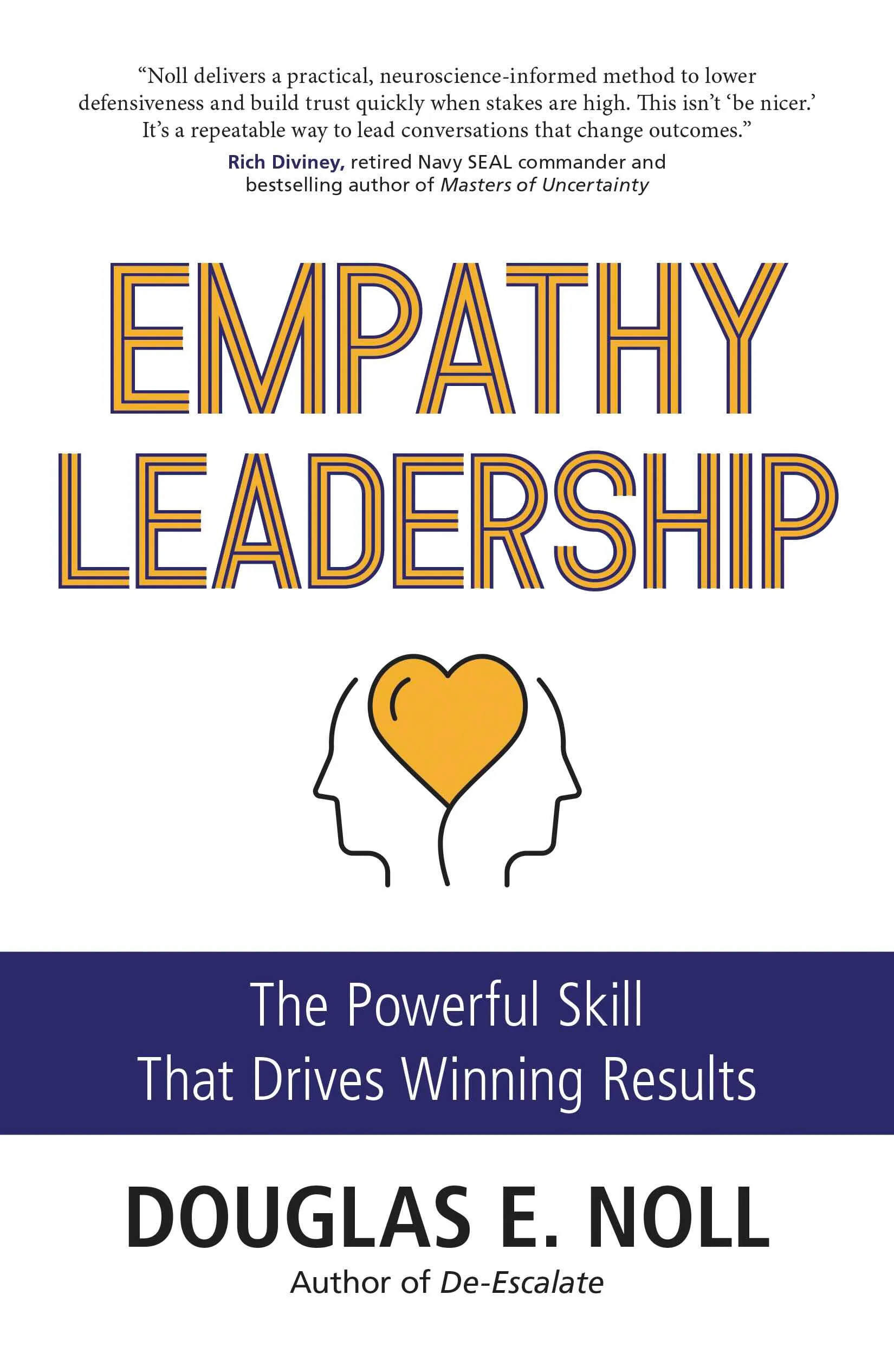
Empathy Leadership: The Powerful Skill That Drives Winning Results is out now. Order on Amazon, or if a 20-minute call would be more useful, Doug's calendar is here.
Emotional Competence Shapes Your Influence as a Leader
This 90-second emotional competence quiz will tell you how your emotions affect the way you are treated at work and how to gain the respect and influence you deserve as a leader.
Take the Free Assessment
Doug’s Books
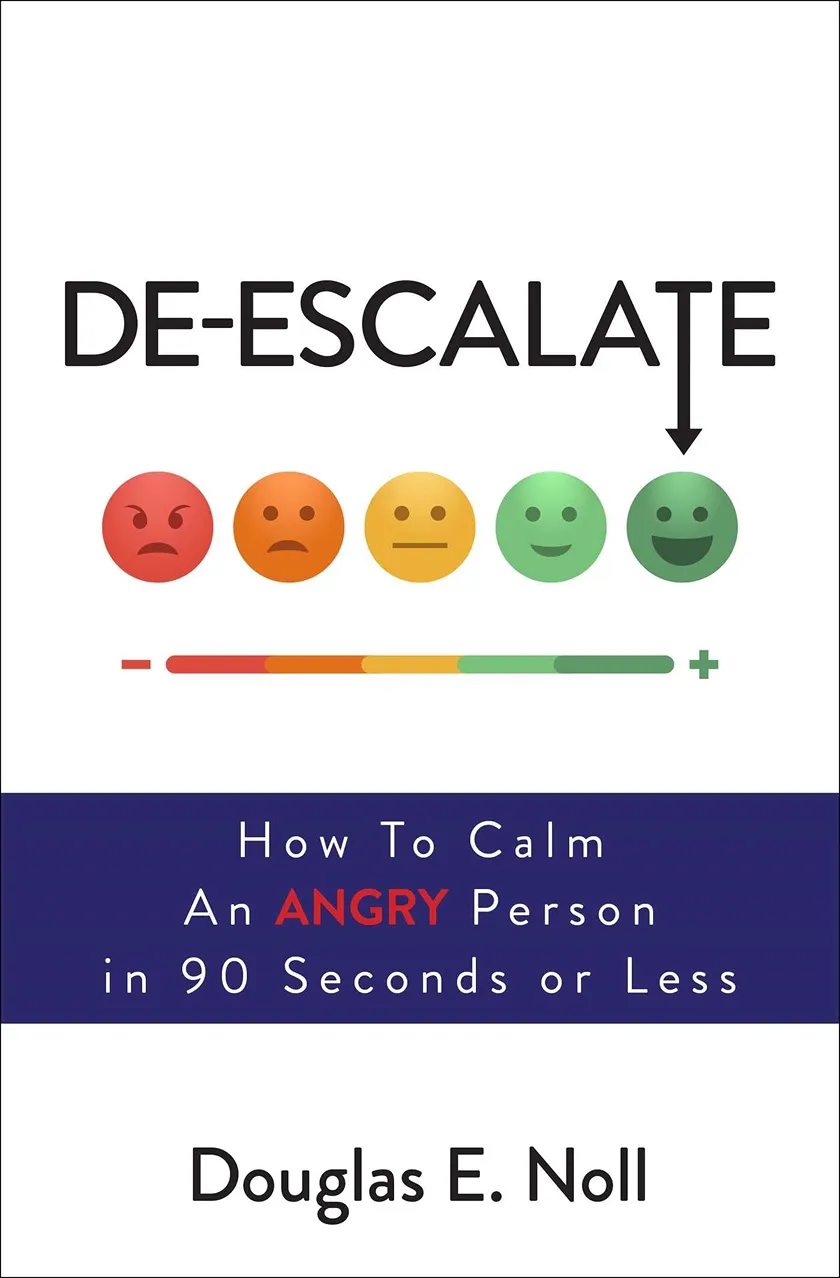
Doug has authored several books on affect labeling and emotional competency, including De-Escalate: How to Calm an Angry Person in 90 Seconds or Less, which won multiple awards and has been adopted by organizations worldwide.